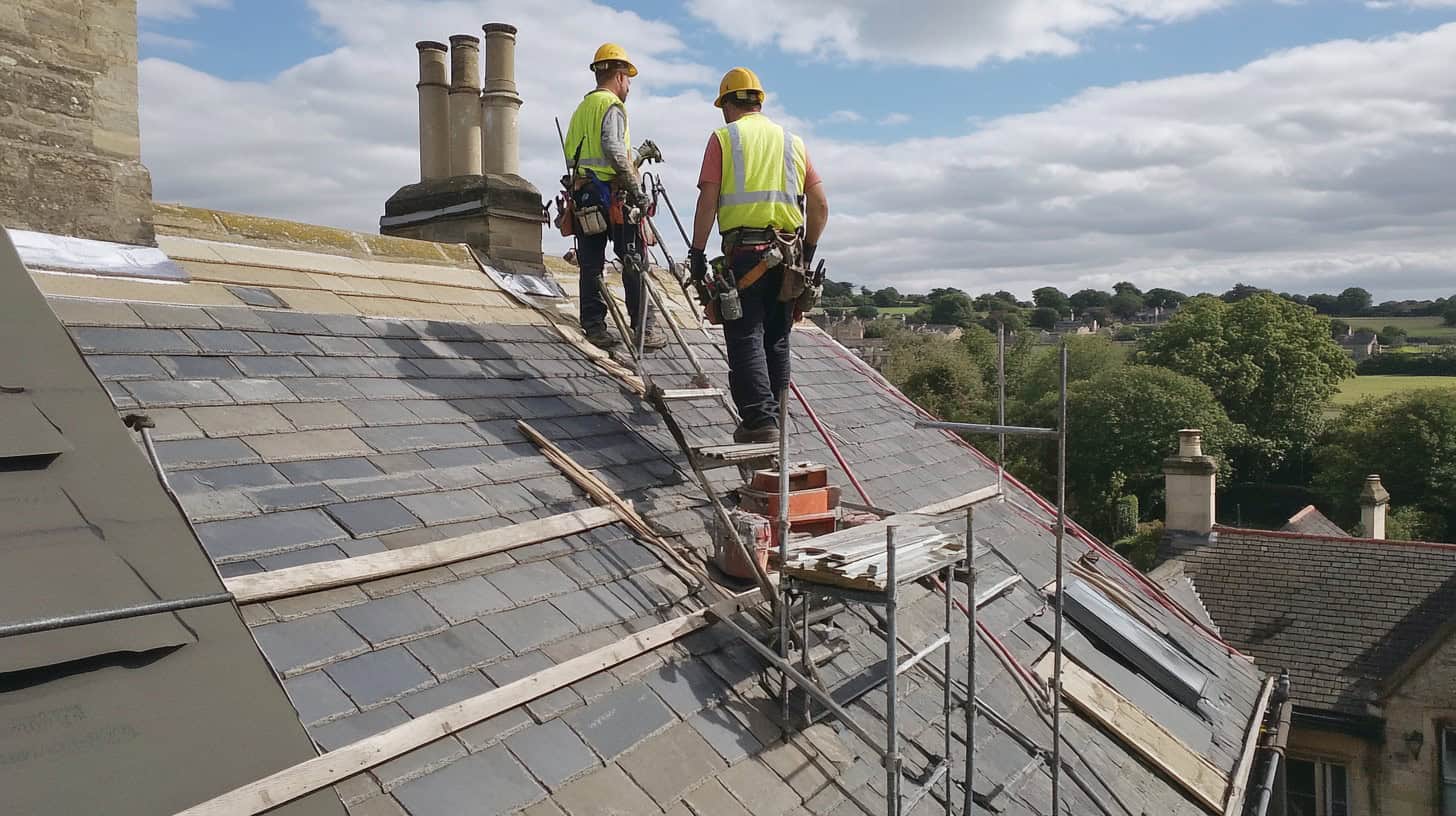
For a housing association managing a large portfolio of social housing stock, roofing is one of the most significant maintenance liabilities on the balance sheet. Roofs deteriorate over time — felt degrades, flashings fail, fixings corrode — and the consequences of deferred maintenance compound quickly. A minor leak that isn’t addressed promptly causes damage to insulation, ceiling finishes, and the internal fabric of the property. A roof that reaches the end of its serviceable life without a planned replacement programme becomes an emergency, with all the costs and disruption that emergency procurement brings.
Globe Roofing works with housing associations on planned roofing programmes — scheduled replacement and refurbishment work across social housing stock, delivered in a way that minimises disruption to residents and gives the housing association the cost certainty and programme control that reactive procurement cannot provide.
The Case for Planned Programmes Over Reactive Response
Housing associations that manage roofing reactively — responding to individual failures as they’re reported — typically spend more per roof than those who plan replacement programmes based on stock condition surveys and remaining serviceable life assessments. Emergency procurement is expensive. Mobilising a roofing contractor at short notice, sourcing materials outside a planned procurement cycle, and managing the resident communication and access arrangements that unplanned roof work requires all add cost that a planned programme eliminates.
There’s also a quality dimension. A roofing contractor mobilised reactively to address an urgent failure is working under time pressure, often with limited information about the roof’s construction details and condition. A contractor working within a planned programme has the time to assess the roof properly, specify the correct replacement system, and manage the installation to a consistent standard.
Globe Roofing’s planned programme work for housing associations is structured around condition survey findings and remaining serviceable life assessments, allowing the association to prioritise the highest-risk properties and plan expenditure across a multi-year programme rather than responding to failures as they occur.
Understanding the Social Housing Stock
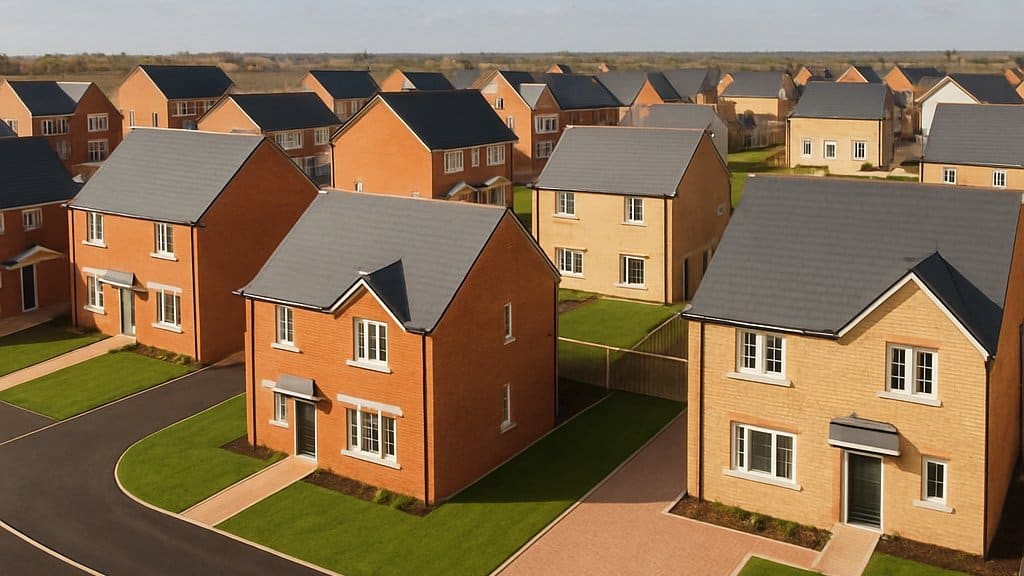
Social housing roofing stock presents specific challenges that distinguish it from new build residential work. Properties built across different decades use different construction methods and materials — traditional cut timber roofs, trussed rafter systems, flat roof sections, mixed pitched and flat configurations. Replacement specifications need to reflect the construction of the specific property, not a standard approach applied uniformly across the stock.
Globe Roofing’s experience of social housing regeneration means the division understands those distinctions. Pre-work surveys assess the existing roof construction, identify any structural issues that need addressing before the new covering is installed, and inform the specification for the replacement system. That survey information also supports the housing association’s asset management records, providing an updated condition baseline for the properties treated.
Resident Communication and Access Management
Planned roofing work on occupied social housing requires careful management of resident communication and access. Residents need to know when the work is taking place, what access to their property will be required, and who to contact if they have concerns. Housing associations have specific obligations around resident engagement on planned maintenance programmes, and a roofing contractor who doesn’t understand those obligations creates a reputational risk for the association as well as a practical coordination problem.
Globe Roofing works within the housing association’s resident communication framework — providing programme information in advance, managing access in a way that minimises disruption, and maintaining clear communication with the association’s housing management team throughout the programme. Where emergency response is required outside the planned programme — an acute failure that can’t wait for the next scheduled tranche of work — Globe Roofing’s 24-hour emergency call-out service provides the housing association with a response that protects the property and the resident without requiring a separate emergency procurement exercise.
Cost Certainty Across a Multi-Year Programme
One of the most significant benefits of a planned roofing programme for a housing association is cost certainty. With commercial terms agreed across a multi-year programme, the association can plan capital expenditure accurately, allocate budgets to specific tranches of work, and avoid the budget uncertainty that reactive procurement creates.
Globe Roofing’s pricing on planned programmes reflects the efficiencies that programme work brings — consistent mobilisation, predictable material procurement, and a working relationship that develops over time rather than being renegotiated for each individual instruction. That pricing certainty supports the housing association’s asset management planning and provides a clear basis for reporting to the association’s board and funders.