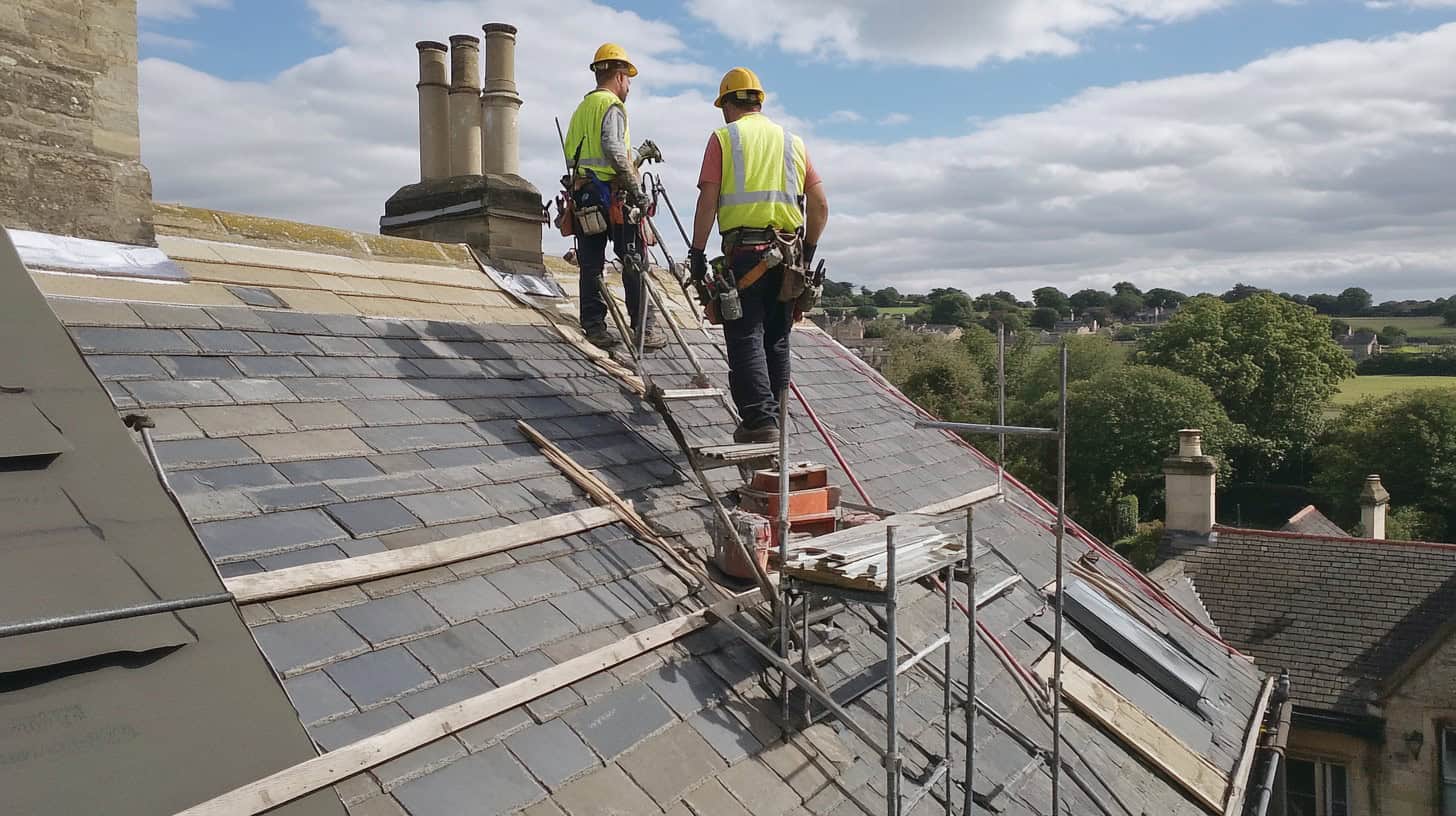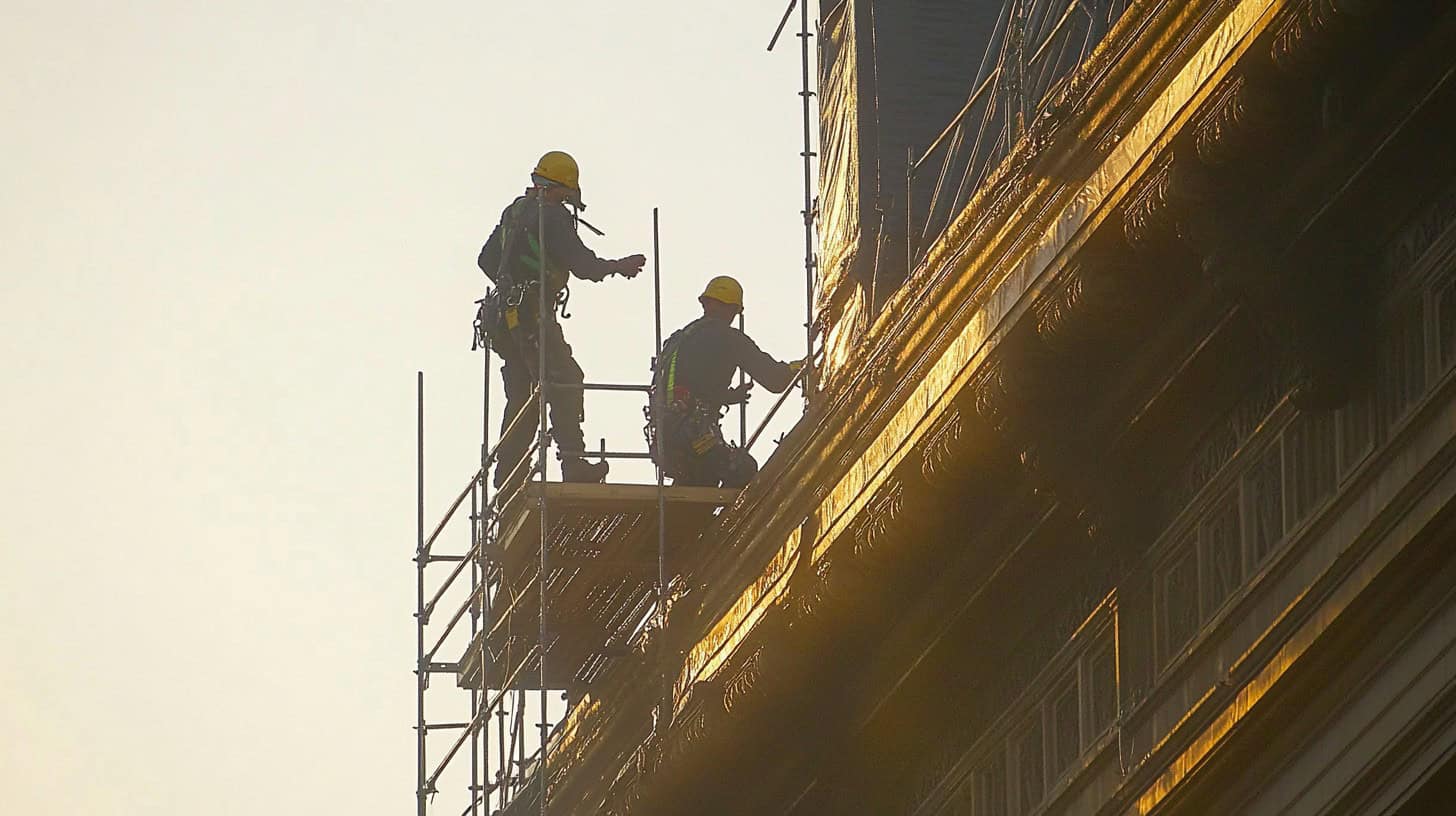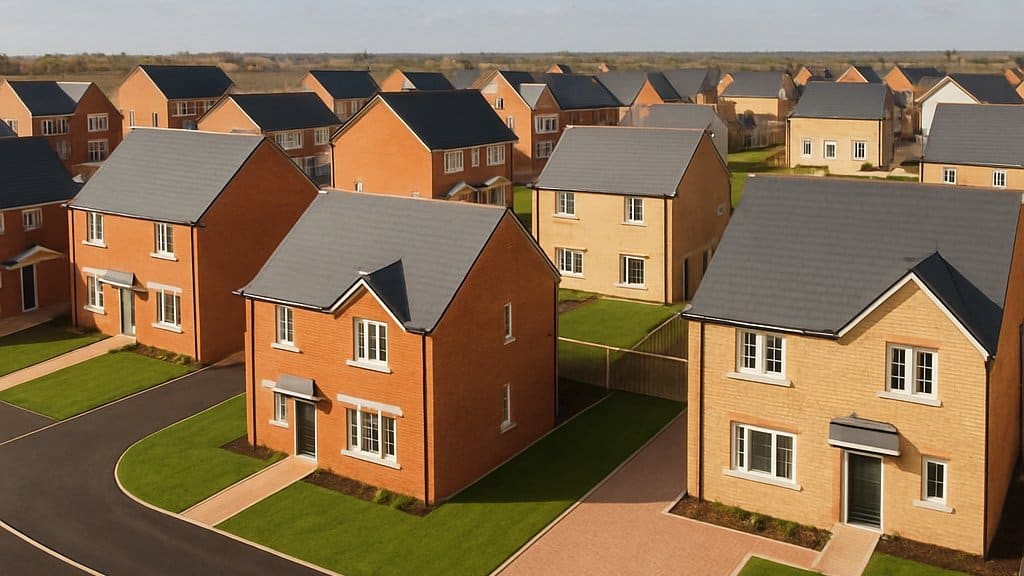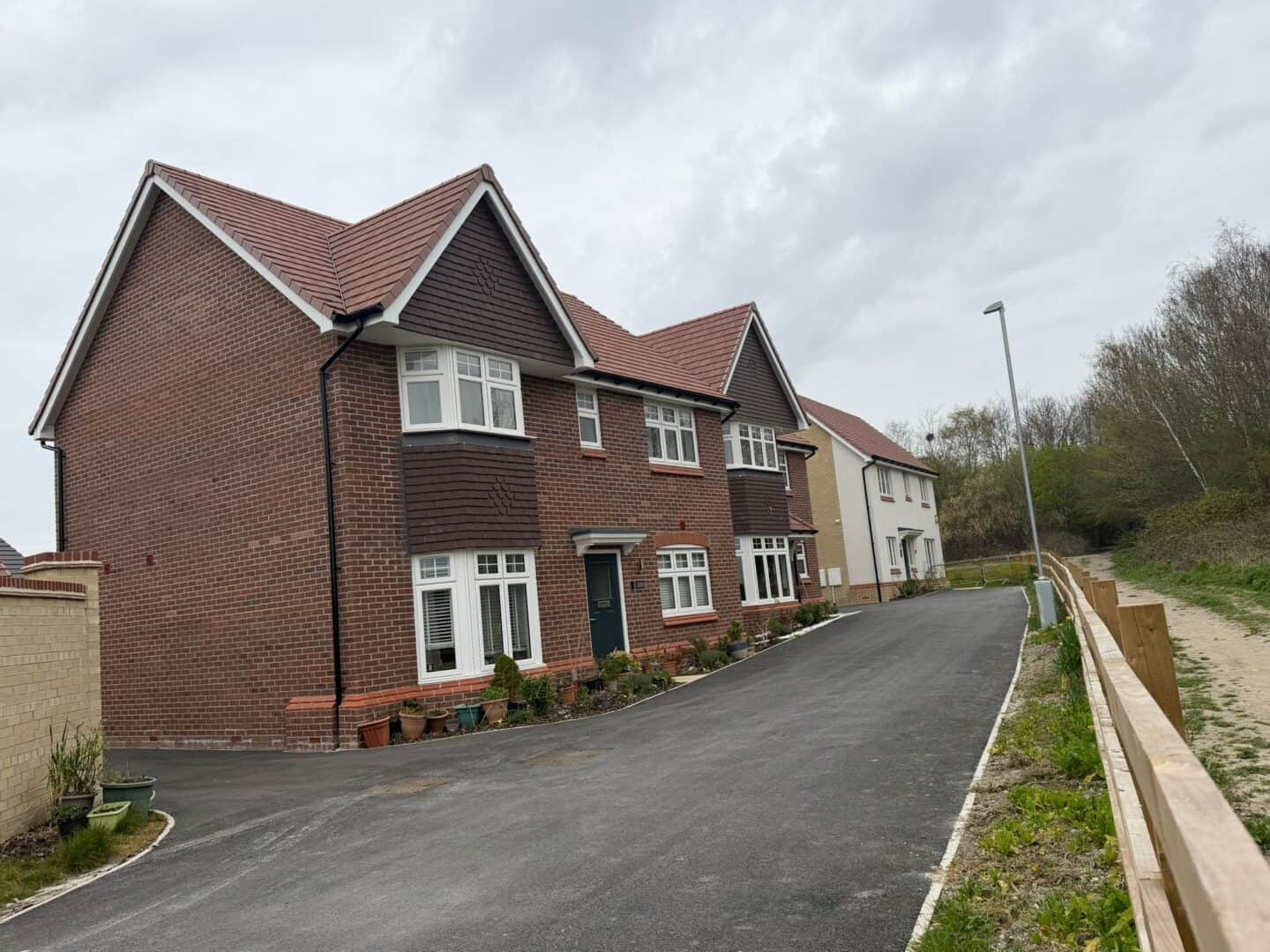

Wind uplift performance on UK new build roofs is governed by BS 5534, which sets out the calculation method for tile and slate fixing requirements based on site location, building exposure, roof pitch, and tile or slate weight. Compliance with BS 5534 is not optional. It is the basis on which NHBC accepts the roofing installation, and it is the basis on which an insurance claim following storm damage is assessed.
Despite the clarity of the standard, wind uplift compliance is one of the items NHBC inspectors most consistently find issues with at mid-build stage. The reasons are usually the same. The fixing schedule on site does not match the wind load calculation for the site. The perimeter fixing zone is treated the same as the central body of the roof. Verge and ridge fixings are weaker than the schedule requires.
NHBC inspectors at mid-build stage check several specific items. They check that the wind load calculation has been done and is documented. They check that the fixing schedule on the design drawings matches that calculation. They check that the actual fixing pattern on site matches the schedule. They check that perimeter zones, particularly the eaves, the verges, and the ridges, have the heavier fixing requirements they should.
Where any of these is missing or mismatched, the inspection raises an issue. The plot does not pass. Rework is required. The programme loses days. Globe Roofing’s experience across regional housing schemes is that the avoidable mid-build issues nearly always come from one of these four items. Avoiding them is not difficult. It just requires the discipline to do the calculation, document the schedule, brief the operatives, and inspect internally before the NHBC visit.
The wind load calculation itself is straightforward in principle. The site location determines the basic wind speed. The building’s height, surroundings and topography modify the basic wind speed. The roof pitch, the tile type and the exposure zones determine the design fixing requirement. BS 5534 provides tables that combine these inputs into a fixing schedule.
The calculation in practice is more demanding because the building’s surroundings are not always obvious. A building near a coast has higher exposure than a building inland. A building on a hilltop is more exposed than a building in a sheltered valley. A building adjacent to a row of mature trees is sheltered to a different degree than a building in open countryside. Each of these adjusts the exposure category and therefore the fixing schedule.
Roofing contractors who simplify this calculation, either by assuming a single exposure category for all sites or by skipping the location-specific assessment entirely, produce fixing schedules that may be adequate for moderate exposure but inadequate for severe exposure. The roof passes initial inspection because the fixings look correct. It fails in a serious wind event because the fixings were never designed for the actual loads.
For developers and QSs reviewing roofing tenders, the question worth raising is how the contractor performs the wind load calculation, who signs it off, and how the resulting fixing schedule is communicated to the operatives on site. A contractor with a documented calculation process produces predictable inspection outcomes. A contractor without one produces variable inspection outcomes that depend on the individual operative and the individual inspector.
Globe Roofing performs site-specific wind load calculations at pre-start for every new scheme. The fixing schedule is documented, briefed to the installation crew at induction, and verified internally before NHBC inspection. The inspection becomes a verification of work already known to be compliant rather than the first time the compliance has been checked.
For developers planning new schemes in higher exposure zones, particularly coastal sites in Norfolk, Suffolk, Kent and parts of the South Coast, the wind uplift question is more material than on inland sites. The fixing schedule cost is marginally higher. The consequence of getting it wrong is significantly higher. Specifying the calculation discipline at tender stage is the way to manage the risk before it arrives.
Talk to Globe Roofing To discuss wind uplift compliance on your new build roofing on your scheme, contact Globe Roofing on 01223 890727 or email enquiries@theglobegroup.co.uk.