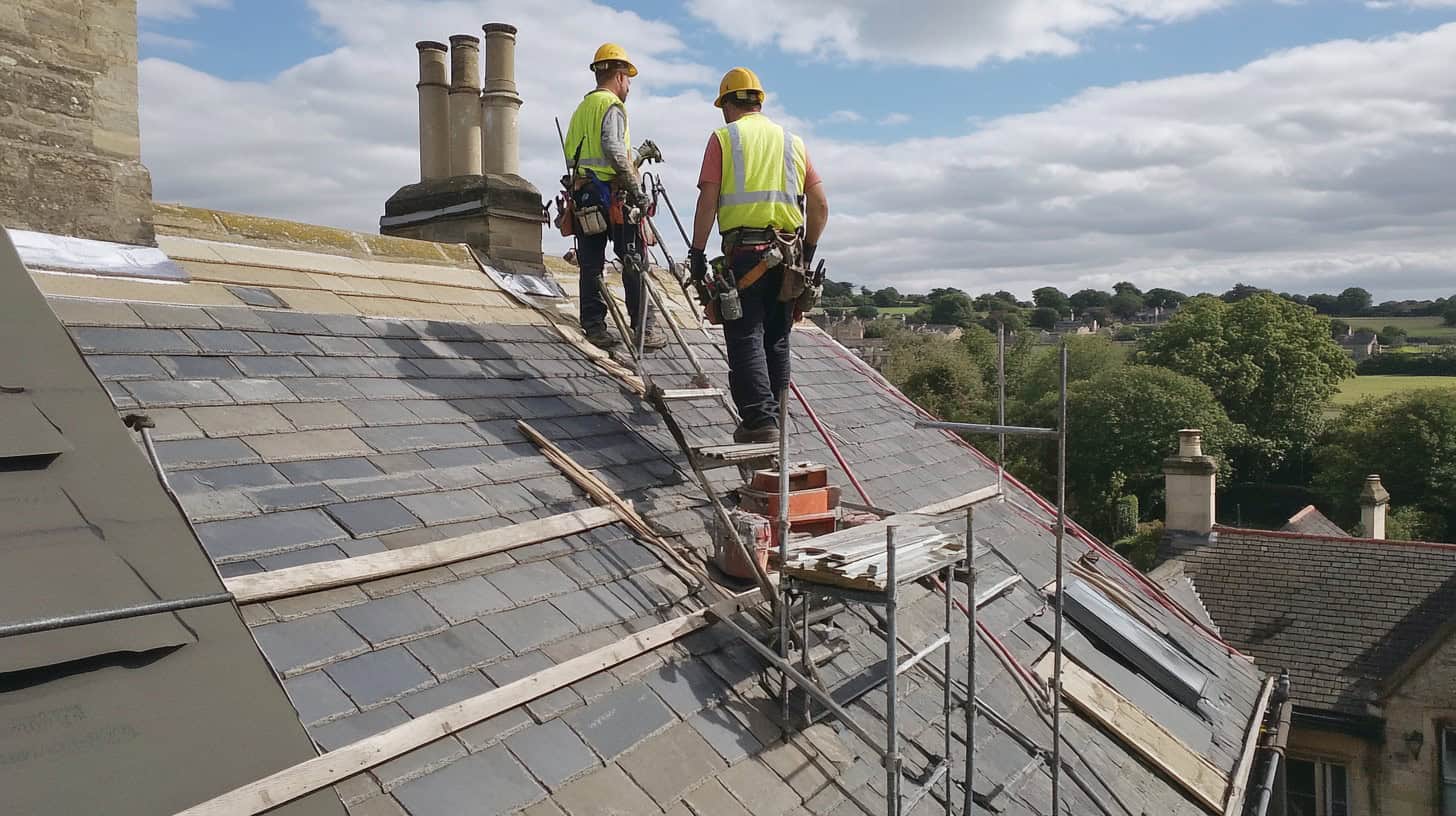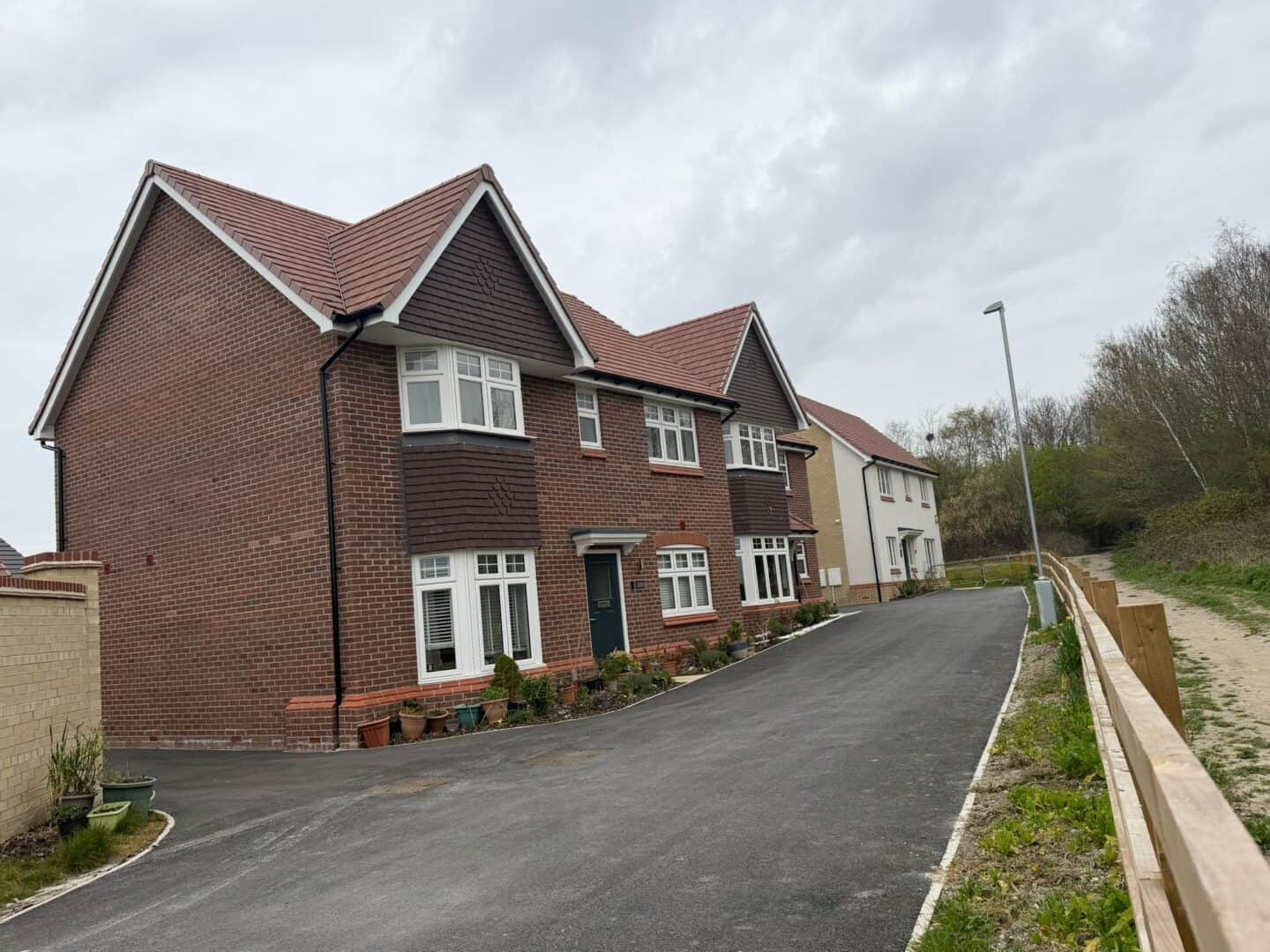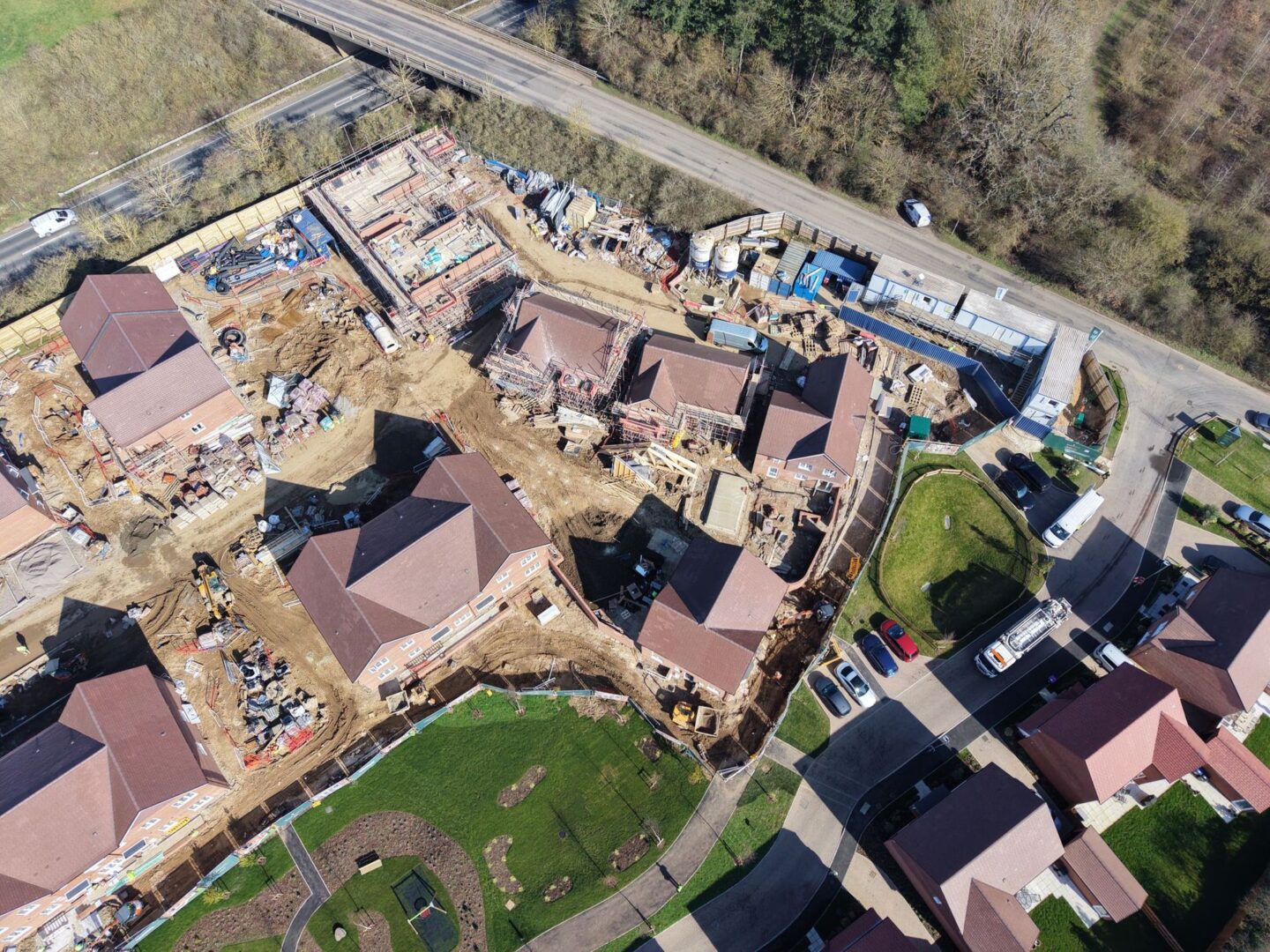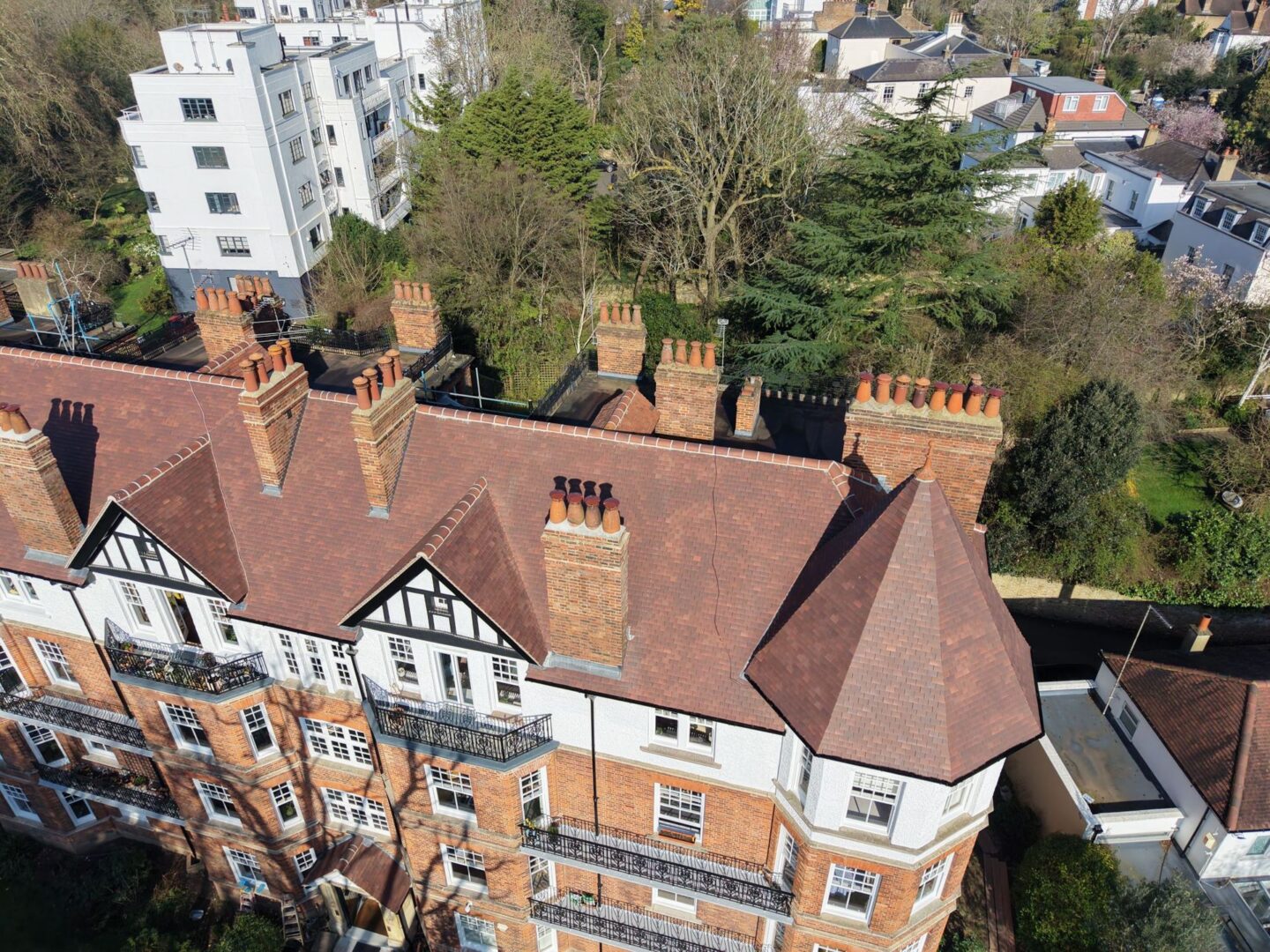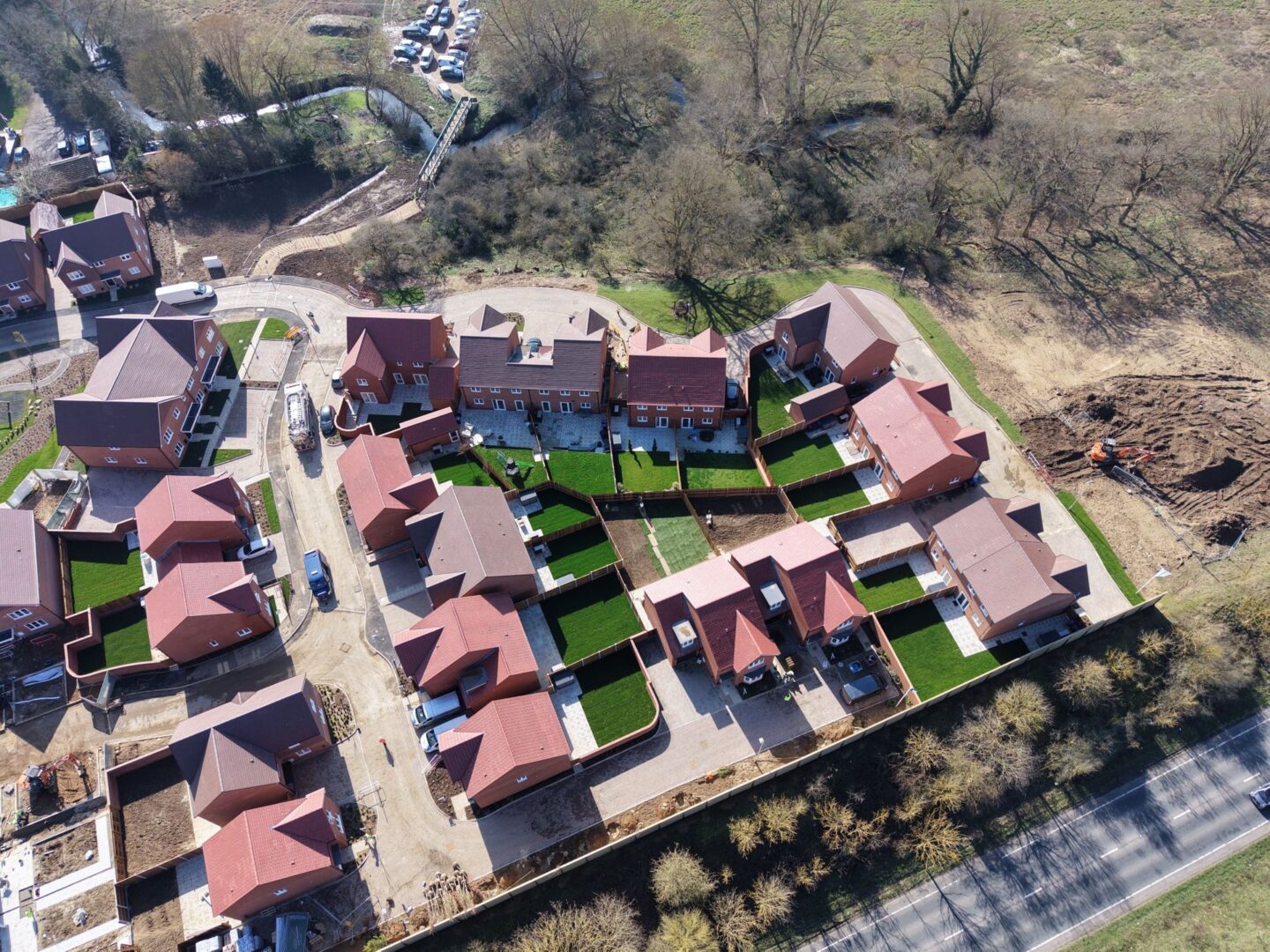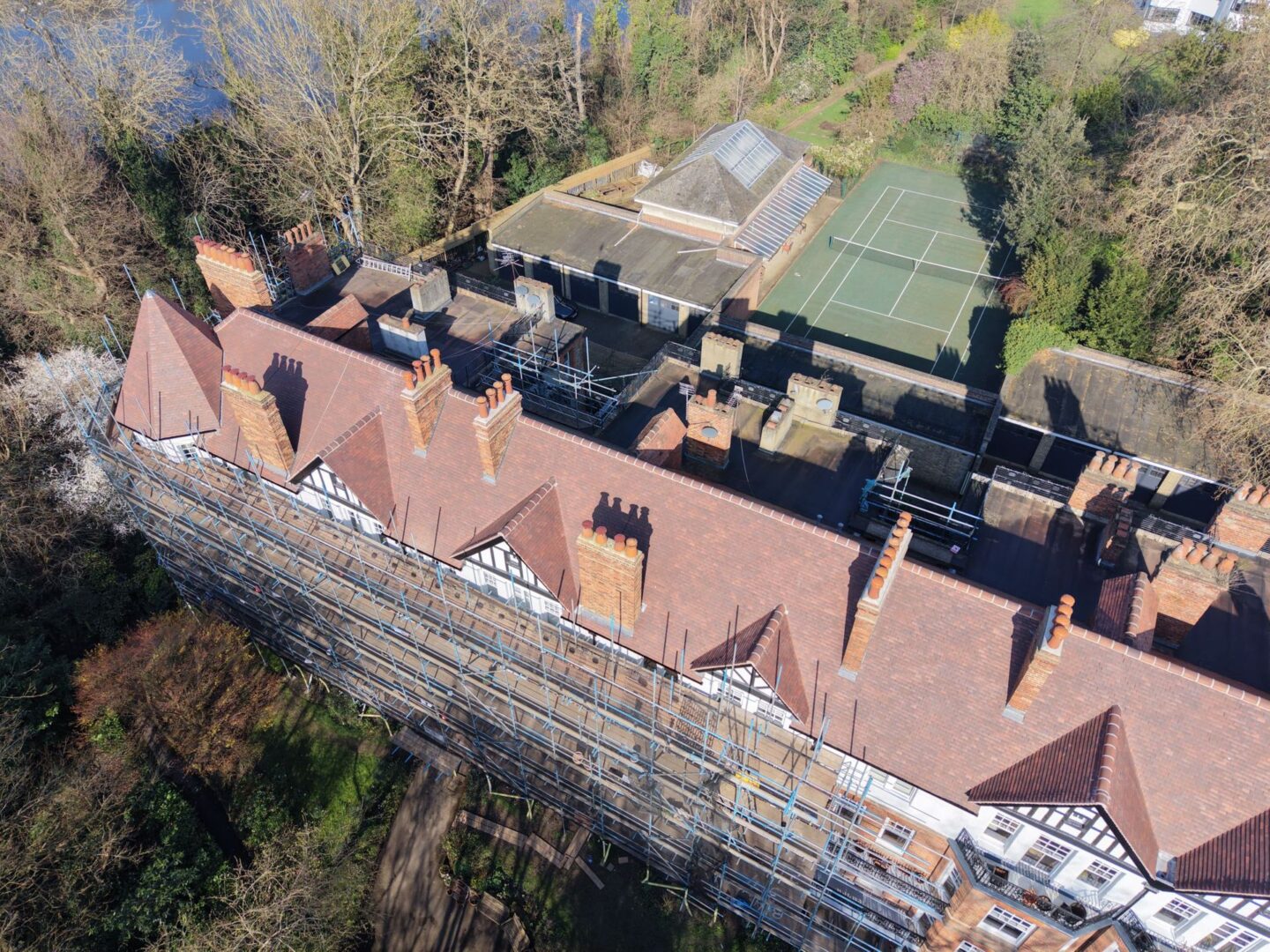

Dry verge and dry ridge systems have become standard practice on UK new build housing over the last decade. The market has moved away from wet-mortared verges and ridges because the dry mechanical systems are more reliable in service, faster to install, and produce fewer warranty issues across the post-handover defects period.
Despite the market shift, dry systems are still not always being specified at design stage. Some schemes default to mortar where the developer or QS has not actively decided otherwise. This produces three problems. The roofing programme runs slower because mortared installation is more weather-dependent. The post-handover defects rate is higher because mortar fails earlier than mechanical fixings. And the perceived quality at handover is lower because the dry systems produce a cleaner, more uniform finish.
Modern dry verge systems use a mechanically interlocking plastic or composite component that clips over the verge tile and is fixed back through the underlay into the rafter or batten. The verge profile is consistent across the scheme. There is no requirement for the bricklayer’s mortar to perform a structural role at the gable end. Inspection is straightforward because the fixing is visible.
Dry ridge systems work similarly. The ridge tile is fixed mechanically rather than bedded in mortar, with a continuous ventilated roll-out underlay seal beneath. The ventilation provision under BS 5250 is satisfied at the ridge in a controlled manner rather than relying on incidental gaps. The ridge tile itself does not work loose over time as mortar bond fails.
For developers, the cost difference between wet and dry systems at point of installation is small. The cost difference across the warranty period is significant. Wet mortared verges and ridges produce a measurable percentage of warranty claims during the two year defects period and continue to deteriorate beyond that. Dry systems, properly installed, are largely defect-free in the same period.
The specification decision should be made at design stage and confirmed at the roofing tender. Where the design specifies dry systems, the roofing contractor’s tender reflects the dry installation rate. Where the design is silent, the contractor can default to either, and the cheapest contractor will default to the cheaper installation method. That cheaper method is usually wet mortared, which becomes the developer’s problem in the defects period.
There is a related point about ventilation strategy. Dry ridge systems incorporate ventilation by design. Wet mortared ridges depend on incidental ventilation through the eaves and through any vent tiles installed elsewhere on the roof. For modern airtight new builds, the incidental ventilation is rarely sufficient. The roof void retains moisture, timber decay accelerates, and condensation issues emerge. Dry ridge ventilation removes that risk by providing a controlled, calculated airflow path.
Globe Roofing specifies and installs dry verge and dry ridge as standard on new build housing. Where a developer’s design has not specified them, the question is raised at pre-start review. The default specification reflects current best practice rather than the cheaper installation method.
For QSs and developers reviewing roofing tenders, the practical step is to make the dry verge and dry ridge specification explicit in the tender documents. A contractor responding to a clear dry specification will price accordingly. A contractor responding to an ambiguous specification may price the cheaper wet method and substitute on site if not challenged.
The savings from specifying wet mortared verges and ridges are small at the point of installation. The costs across the warranty period and the building’s first decade are not. Specifying dry systems is one of the cheapest ways developers can reduce their post-handover defects exposure on new build housing.
Talk to Globe Roofing To discuss dry verge and dry ridge specification on your scheme on your scheme, contact Globe Roofing on 01223 890727 or email enquiries@theglobegroup.co.uk.