For social housing providers, roofing emergencies sit at the intersection of safety, regulatory compliance and tenant welfare. A roof failure that leaves water entering a property is not just a maintenance issue. It is a habitability issue. Damp begins within hours. Electrical risk follows quickly. Vulnerable tenants are exposed first.
That reality places a specific operational demand on the roofing contractor that holds the emergency response contract. Response has to be measured in hours, not days. Containment has to be possible before permanent repair. Reporting has to support the housing provider’s own regulatory obligations under the Decent Homes Standard and the more recent reforms following the Hillsborough and Awaab’s Law context.
Globe Roofing structures its emergency response around three commitments that matter to social housing providers in practice. First, twenty-four hour availability with a single point of contact rather than a call centre. Second, mobile containment capability that can stabilise a defect on the day it is reported, even where the permanent repair has to be programmed for a subsequent day. Third, reporting in a format that drops cleanly into the housing provider’s own maintenance management system.
The containment piece is often underrated. Many roofing contractors who hold reactive work can attend quickly but cannot prevent further damage on the day of attendance because they have not built that capability into their mobile teams. A roof reported leaking at ten in the morning that cannot be temporarily covered until the following day is still doing damage at midnight. By the time a permanent repair is scheduled, the property may need internal works that would not have been required if same-day containment had been possible.
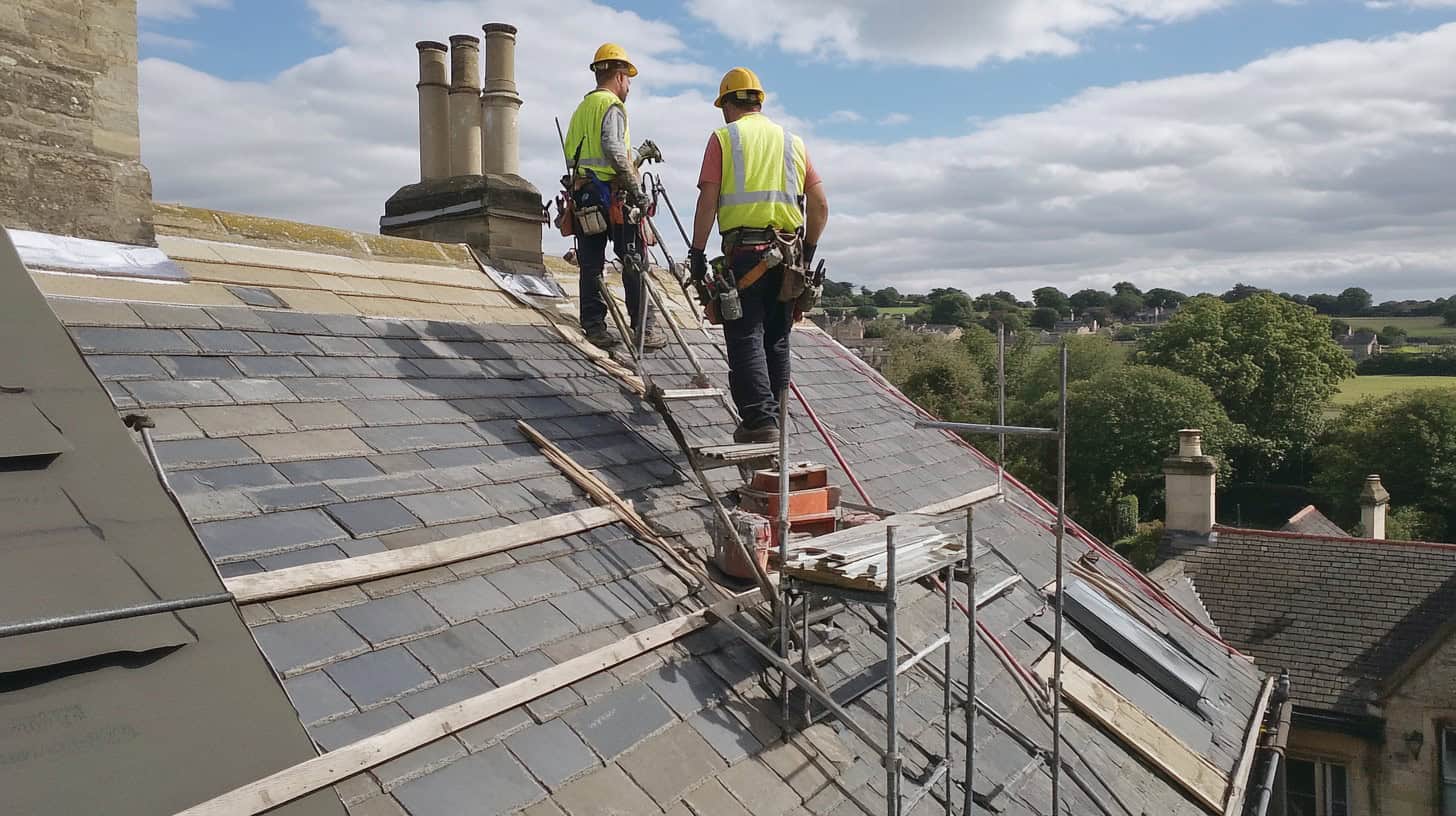
Globe Roofing’s emergency vehicles carry the materials needed to stabilise the majority of failure types on the day. Temporary felt covering, mechanical fixings, sealed sheeting, weather-resistant tarping where appropriate. The objective on the first visit is not to complete the permanent repair. It is to remove the active risk to the property and the occupants while the permanent repair is planned and resourced.
The reporting piece matters because social housing providers carry a regulatory obligation to evidence response times, completion times and tenant communications. Reactive maintenance reporting that arrives in inconsistent formats, with gaps in timing or scope detail, costs the housing provider time to rebuild into their own systems. Reactive maintenance reporting that arrives in the housing provider’s required format, with timed entries and clear scope detail, can be ingested directly.
For housing providers using Globe Roofing under a reactive maintenance arrangement, this reporting is standardised. Time of call. Time of attendance. Operative attending. Scope on first visit. Containment applied. Scope and date of follow-up permanent repair. Tenant communication record. Photographs at start and completion. The pack is in the housing provider’s hands within the agreed window after the visit, not at month end.
There is also a planned-emergency-blend that experienced housing providers value. Some defects reported as urgent are, on inspection, not strictly emergencies but cannot be left to a routine programme. A roof that is not yet leaking but is visibly degraded is in that category. Globe Roofing’s reactive arrangement covers triage as well as attendance, so that the housing provider can rely on the contractor to distinguish a true emergency from a defect that can be held with a programmed visit.
Across stock-level contracts, this triage reduces emergency call-out cost while preventing genuine emergencies being deprioritised. The classification of each report against an agreed scale is part of the contract, not a judgement call made on the day.
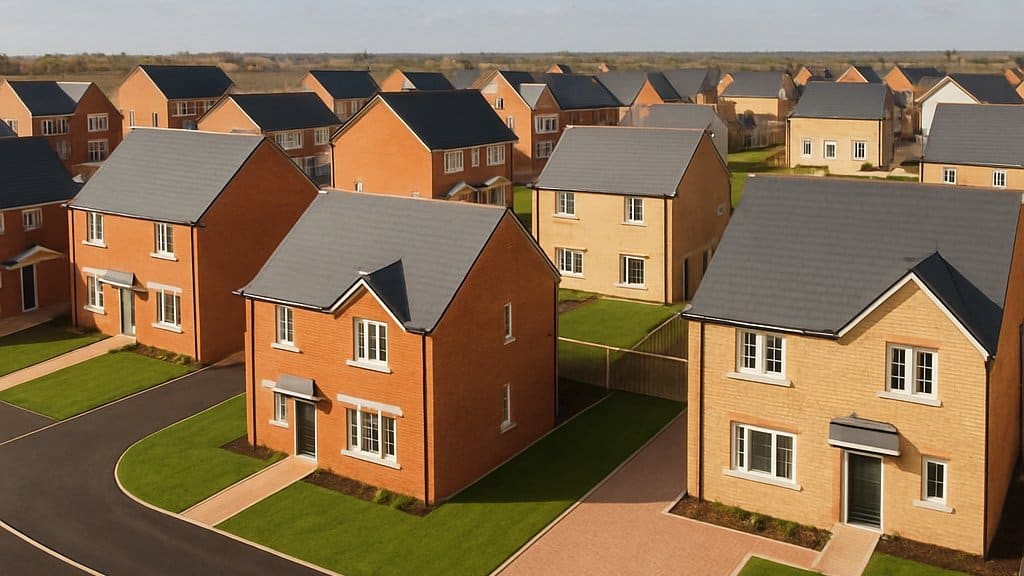
For housing providers managing large or geographically spread stock, the predictability of a single emergency response provider that operates to a consistent service standard across the portfolio is the underlying value of these arrangements. Tenants get the same response wherever they live. The housing provider gets a single reporting standard across the portfolio. The board gets a single set of metrics against which the contract can be evaluated.
Talk to Globe Roofing To discuss emergency and out-of-hours roofing response across your stock on your scheme, contact Globe Roofing on 01223 890727 or email enquiries@theglobegroup.co.uk.