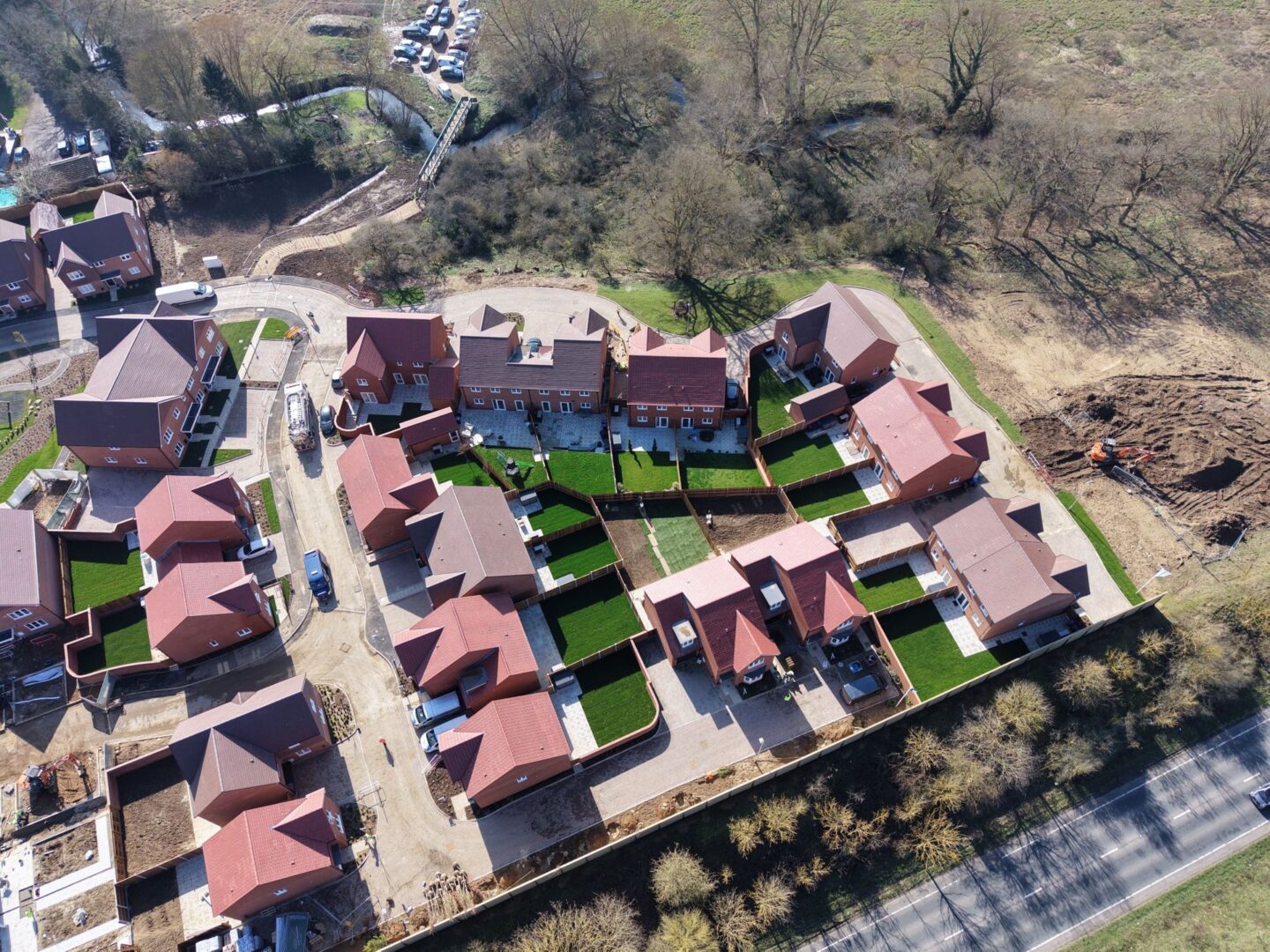
NHBC inspection points on a new build scheme are not occasions. They are checkpoints in a continuous process. By the time the inspector arrives at a mid-build stage, the work should already be at the standard the inspection is going to test. A scheme that is being prepared for inspection in the week of the visit is, in most cases, a scheme that has already slipped on standard.
For developers, the roofing contractor’s behaviour at and around mid-build NHBC stages is one of the clearest indicators of how the scheme will run through completion. A roofing contractor running tight to standard makes inspection a non-event. A roofing contractor running loose to standard makes every inspection a negotiation.
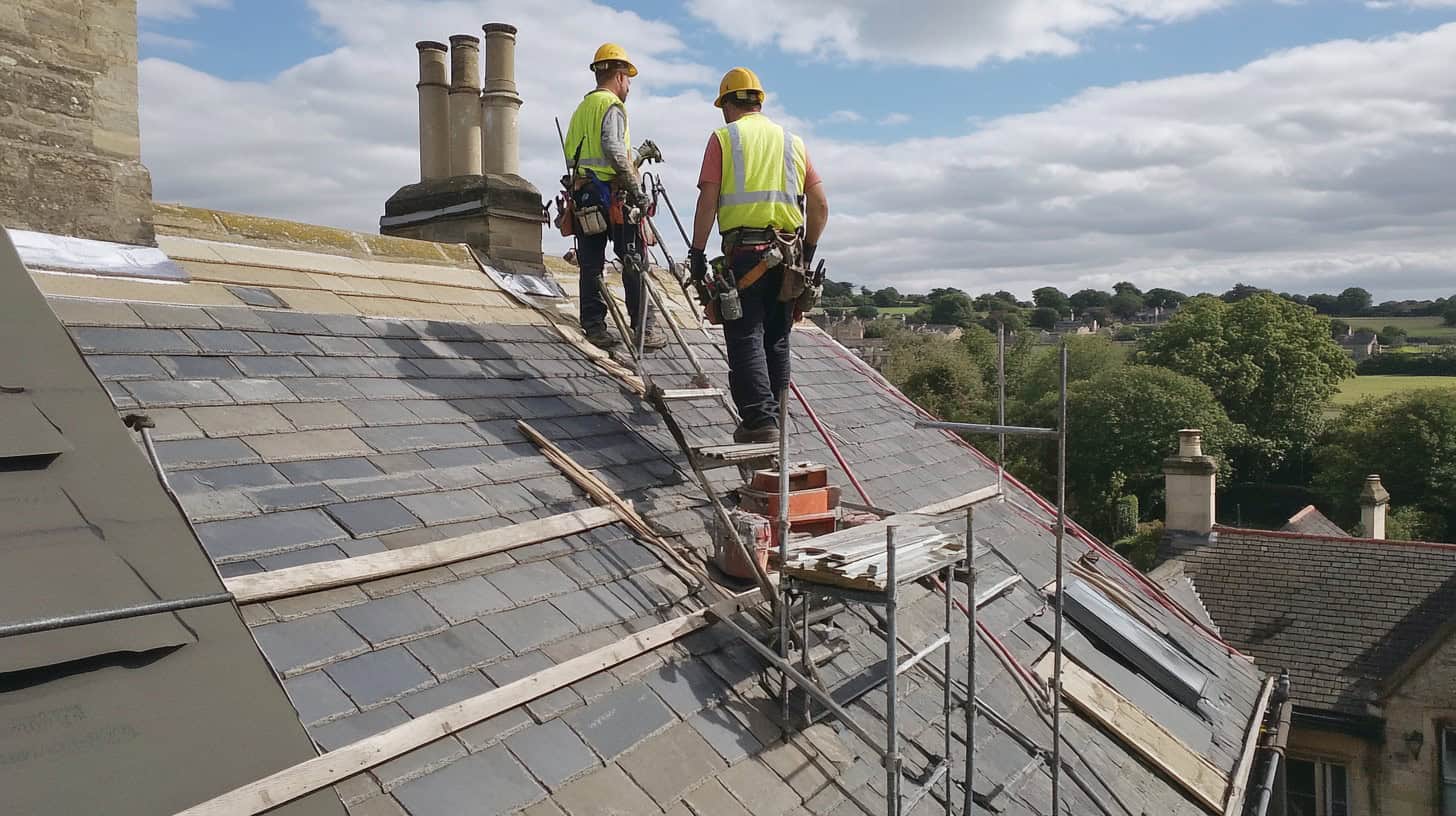
The mid-build roofing NHBC inspection typically focuses on a defined set of items. Underlay overlap and tensioning. Batten gauge and fixing. Fixing pattern of tiles or slates against the manufacturer’s specification. Ridge and hip detailing, particularly the use of dry systems where specified. Eaves ventilation. Lead flashing detail at abutments and chimneys. Pitch-to-tile compatibility. Each item is testable. Each item is either compliant against the spec or it is not.
The roofing contractor’s pre-installation process should already cover every one of these items. Method statements should specify the exact products being used, including tile, underlay and batten product codes. Fixing schedules should reflect the actual wind load calculation for the site. Operatives on site should be carrying the relevant fixing schedule, not improvising from memory.
Where this discipline holds, mid-build inspection is simply an external verification of what the contractor’s own internal sign-off already shows. The plot was inspected internally before the call for NHBC. Issues found internally were corrected. The inspector looks at a finished detail that was already known to be right.
Where this discipline does not hold, mid-build inspection becomes the contractor’s quality control. Issues found by the inspector are the first time anyone has looked at them. Corrections trigger rework. The scheme loses days while plots are made good for re-inspection. And the developer absorbs the cost.
This is where Globe Roofing’s site supervision and internal inspection model is structured to remove inspection as a friction point. Each plot has an internal sign-off before NHBC is invited. The internal sign-off uses the same checklist the inspector uses. Issues identified internally are corrected without entering the NHBC conversation at all.
For developers, the value of this is direct. Plot completions move through the scheme at the rate the programme expected. Plots are not held in pre-completion limbo waiting for re-inspection. The NHBC relationship stays clean. Insurance and warranty processes stay clean.
There is also a longer-term consequence. Roofing work that passes NHBC easily at the mid-build stage is, statistically, roofing work that produces fewer warranty claims in the subsequent two-year defects period. The same disciplines that let the contractor pass inspection are the disciplines that produce a roof that performs in the field.
For developers and QSs evaluating roofing contractors at tender stage, the right questions to ask are about that discipline rather than about the price. How is the work inspected internally before NHBC arrives? Who signs off and to what checklist? What rework rate has the contractor seen across the last twelve months? The answers will tell you, more reliably than any tender rate, what the scheme will look like at completion.
Talk to Globe Roofing To discuss roofing performance against NHBC mid-build inspections on your scheme, contact Globe Roofing on 01223 890727 or email enquiries@theglobegroup.co.uk.