Cold bridging is one of the most common causes of post-completion defects on new build roofs. It rarely shows up at handover. It shows up six, twelve, or eighteen months later, when residents start reporting damp patches, mould growth, or unexplained heat loss on upper floors. By that point, the cost of rectification can be significant, and the responsibility usually lands back on the developer. Understanding where cold bridging risk sits on a roofing programme — and how it is controlled at design and installation stage — is essential commercial knowledge for developers and QSs running new build housing schemes.
What cold bridging is on a roof
A cold bridge is a path through the building envelope where heat moves more easily than through the surrounding insulated structure. On a roof, cold bridges typically occur at junctions: where the roof meets the eaves, where the wall plate sits, around penetrations such as soil vent pipes and roof windows, and at any point where insulation continuity is broken. Where a cold bridge exists, the inner surface of the building at that point sits at a lower temperature than the surrounding surfaces. If the surface temperature drops below the dew point of the air in contact with it, condensation forms. Repeated condensation produces damp staining and, eventually, mould growth.
Why cold bridging matters on housing schemes
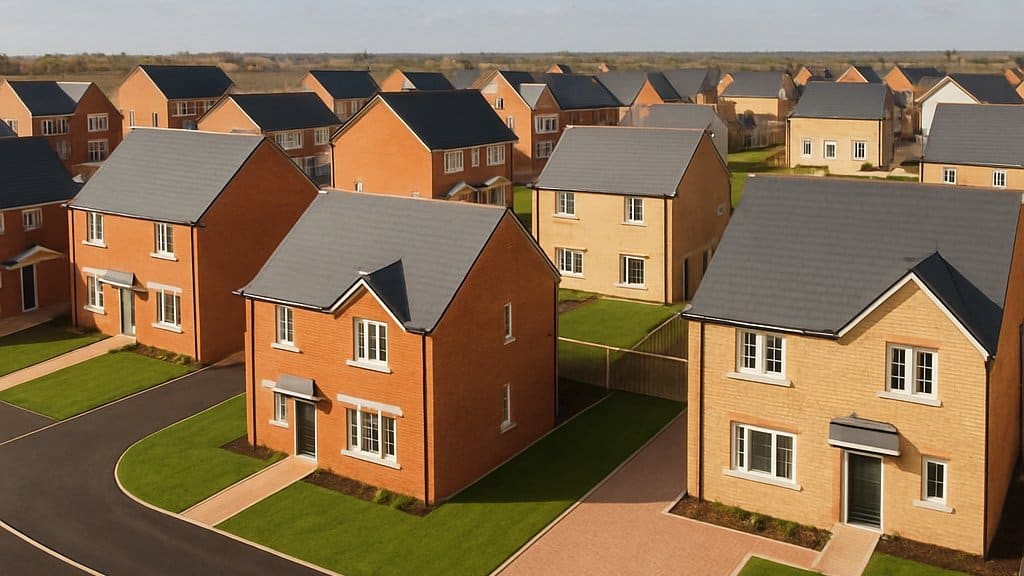
On a single self-build, cold bridging is a quality issue. On a housing scheme of several hundred plots, it is a commercial issue. A defect that occurs on one plot is likely to occur on every plot built to the same detail. A roofing detail that produces cold bridging on plot one will produce cold bridging on plot one hundred. The defect liability, if it arises, scales with the number of plots affected.
This is why cold bridging risk needs to be addressed at design stage, verified at installation, and documented throughout. Once a development is complete and occupied, retrospective rectification across multiple plots is significantly more expensive than getting the detail right during the build.
Where cold bridging risk concentrates on new build roofs
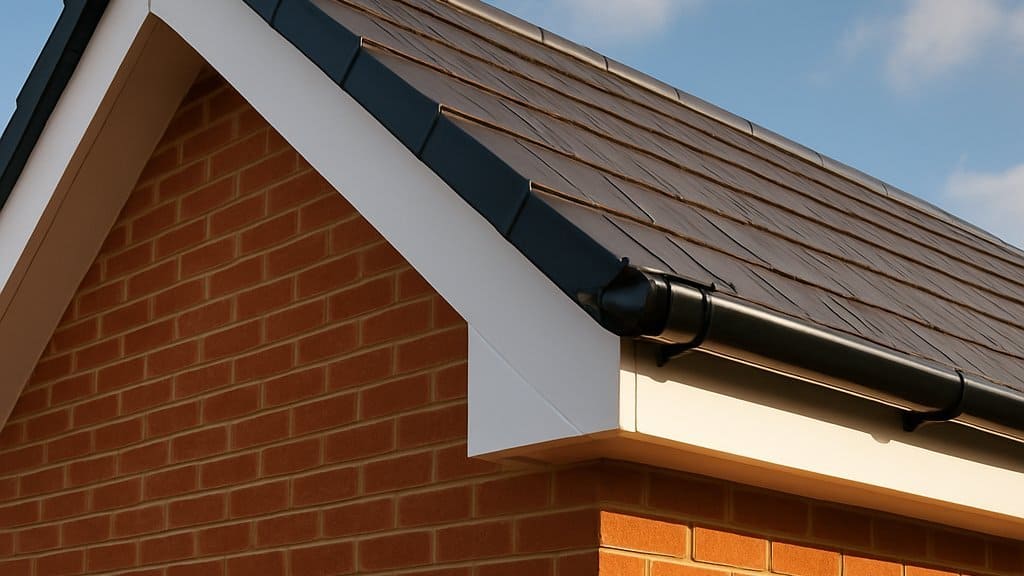
On a typical new build pitched roof, the highest cold bridging risk is at the eaves. The eaves detail is where the roof insulation meets the wall insulation, and continuity at this junction is essential. If the insulation does not run through to meet the wall insulation, or if the connection is interrupted by structural elements such as the wall plate, a cold bridge forms. The detail needs to be designed correctly and installed exactly as designed.
Other concentration points include ridge details, where ventilation provision and insulation continuity need to be balanced; verges, where insulation must be carried fully to the gable; and around any roof penetration. Roof windows, in particular, are a known cold bridging risk point and require specific detailing.
How Globe Roofing controls cold bridging at installation
Globe Roofing’s role in cold bridging control sits at installation stage. The design responsibility usually rests with the architect or technical team, but the installation responsibility — and therefore the practical defect risk — rests with the roofing contractor. Globe Roofing operates documented fixing schedules and installation procedures that align with the design intent for each plot type. Insulation continuity at the eaves, ridge, and verges is verified against the design, and any deviation is recorded and resolved before the work is closed out.
Inspection regimes under Globe Roofing’s ISO 9001 quality management system specifically capture insulation continuity as a defined inspection item. Where ventilation provision is required to address condensation risk, the provision is verified against the design rather than assumed.
Documentation that supports defect protection
Where cold bridging defects are identified post-completion, the question of responsibility usually comes down to whether the design was correct and whether the installation followed the design. Documented fixing schedules, inspection records, and non-conformance closures protect the developer in this dispute. They demonstrate that the installation was carried out to the specified detail and that any deviations were identified and resolved during the build, not concealed.
On schemes covered by NHBC, LABC, or Premier Guarantee, this documentation also supports the warranty position. Warranty providers expect to see evidence of consistent installation against design, particularly at the junctions where cold bridging risk concentrates.
What QSs and developers should specify at procurement stage
At procurement, the question to ask of a roofing contractor is not whether they understand cold bridging in principle. Most do. The question is whether their installation system documents and verifies insulation continuity at the high-risk junctions, plot by plot, across the scheme. A contractor that can demonstrate this verification has a system that protects against the kind of defect that emerges months after completion. A contractor that cannot is a defect liability waiting to develop.
Talk to Globe Roofing
To discuss cold bridging control on your scheme, contact Globe Roofing on 01223 890727 or email enquiries@theglobegroup.co.uk.