Quality Roofing Installation and Fixing Specifications in the UK
Quality roofing in the UK depends on more than selecting the right tiles or membranes. It depends on fixing them exactly as the manufacturer specifies for that particular project and location. Manufacturer fixing specifications are calculated using UK wind zones, exposure levels, building height, roof pitch and the structural deck or substrate. They form part of the roof system as tested and approved, and they are a key requirement for Building Control confidence and, on most residential developments, NHBC or other warranty provider sign-off. If the fixing pattern on site does not match the issued specification, the roof may no longer be installed as the approved system. That creates avoidable risk, including structural vulnerability in high winds, delayed approvals, remedial works and potential warranty disputes later.
What Is a Fixing Specification?
A fixing specification is a technical document issued by a roofing manufacturer that sets out the precise method for securing a roofing system to a building. It typically covers the type of fixing required, such as nails, screws, clips or proprietary restraints, the gauge and length of fasteners, fixing centres or spacing, and any substrate-specific requirements. In the UK, these specifications are not generic. They are produced to suit the conditions of the site and the roof design. A sheltered inland development will often have different fixing centres and clip requirements compared with a coastal or elevated site. The purpose is to ensure the roof performs as intended under local wind loading and weather exposure.
Manufacturers generate fixing specifications through technical portals or engineering departments. Contractors provide site details and roof design information, and the manufacturer issues a project-specific document. This process translates wind uplift calculations and exposure categories into clear installation instructions that can be checked and verified. It removes guesswork from the process and provides a measurable benchmark for compliance.
Core Components of a Fixing Specification
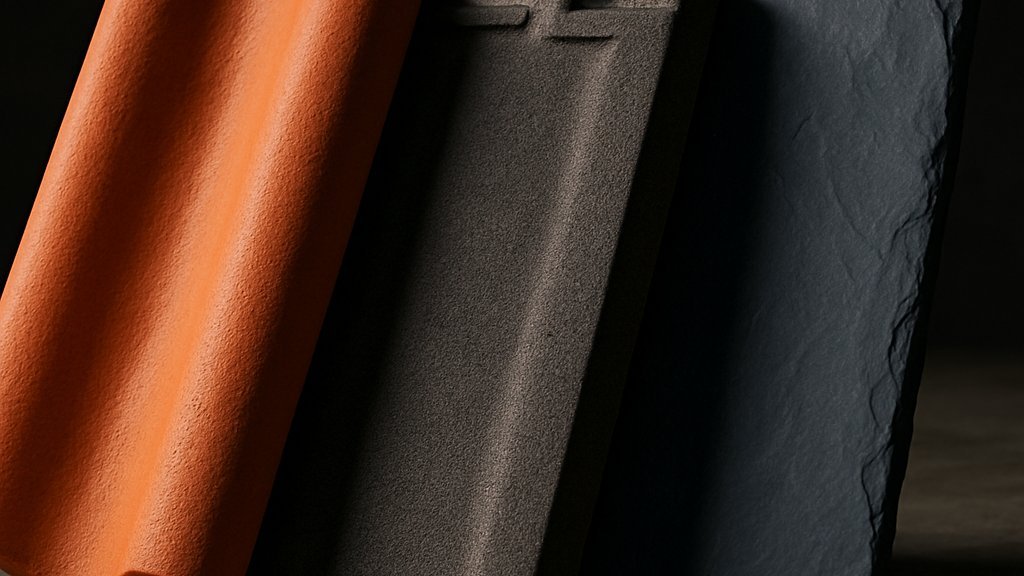
Although every document differs slightly between manufacturers, most fixing specifications address four key areas. The first is fixing type. The specification will state whether tiles, slates, membranes or accessories require nails, screws, clips or mechanical restraints, and where each is required. In higher exposure zones, additional clips and mechanical restraint are commonly specified, particularly around perimeters and junctions.
The second is gauge and length. Fastener gauge and length are determined by the substrate and system requirements. Correct penetration depth and pull-out resistance are essential to ensure long-term performance and prevent premature movement.
The third is fixing centres. Fixing centres are rarely uniform across the entire roof. Manufacturers typically specify tighter spacing at eaves, verges, ridges and other perimeter zones because these areas experience higher wind pressures and turbulence.
The fourth is substrate compatibility. Timber battens, timber decks, metal decks and concrete substrates all behave differently under load. The specification ensures the correct fixings are selected for the deck type so that the system achieves the required holding power.
Performance Requirements, Not Optional Guidance
A common misunderstanding in roofing is treating fixing specifications as best practice guidance rather than performance requirements. In reality, manufacturers test and approve roofing systems as complete assemblies. The fixing pattern and fastener selection form part of how the system performs under wind uplift and weather exposure. If the roof is installed with different spacing, fewer clips or alternative fixings, it may not behave in the same way under load.
This distinction matters in the UK because warranty providers and Building Control focus on structural stability, durability and demonstrable compliance. Under the Building Safety Act 2022, contractors are expected to evidence competence and adherence to approved technical requirements, particularly where safety-critical performance is concerned.
UK Compliance and Warranty Considerations
Roofing in the UK operates within a clear regulatory and warranty framework. Most residential developments require structural warranty cover, with NHBC being the most widely used provider. NHBC Technical Standards expect roofing systems to be installed in line with manufacturer guidance, particularly in relation to wind uplift, tile restraint and perimeter detailing.
During inspections, assessors may check that fixing centres align with the issued specification, that the correct clips and restraints have been used, and that verge, ridge and eaves details follow the approved method. Where installation deviates from the specification, inspectors can require remedial works before sign-off is granted. This can result in programme delays, additional site visits and increased costs for developers and principal contractors.
Building Control expectations also reinforce the importance of manufacturer adherence. Having a project-specific fixing specification provides a clear and defensible reference point during inspections and audits.
Wind Uplift and UK Weather Exposure
Wind uplift and weather exposure are central to why fixing specifications matter so much in the UK. Wind conditions vary significantly by region, terrain and building height. Coastal developments, elevated sites and open rural locations are naturally more exposed than sheltered urban plots. Manufacturers account for these factors in their calculations.
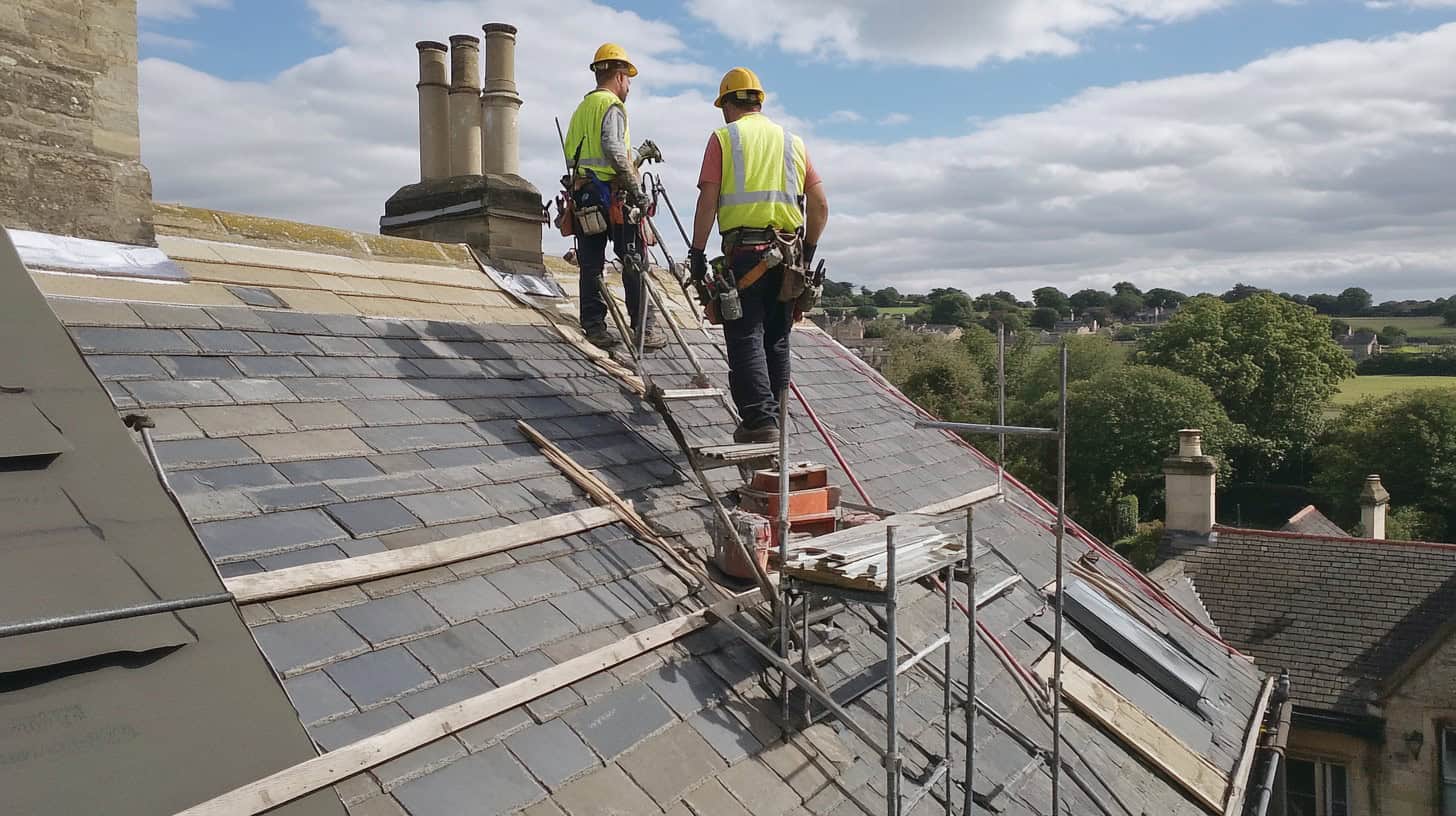
Wind uplift is not evenly distributed across a roof. The highest pressure differentials typically occur at eaves, verges, ridges, hips and corners. These are the areas where turbulence intensifies and where uplift can begin. That is why specifications often demand tighter fixing centres and additional restraint at perimeters. If these enhanced patterns are ignored, early movement at the roof edge can escalate into wider system failure during severe weather.
On exposed sites, specifications may require increased clip quantities, heavier gauge fasteners and reduced fixing centres. These are not optional upgrades; they are calculated requirements to ensure the roof performs correctly in that specific environment.
Globe Roofing’s Process for Generating and Implementing Fixing Specifications
At Globe Roofing, every project begins with generating fixing specifications directly from the manufacturer’s technical portal or technical department. Site location, building height, roof pitch, exposure category and substrate type are submitted to ensure the issued document reflects real project conditions.
Once received, the specification is incorporated into the project workflow. Pre-start briefings ensure site teams understand the required fixing centres, clip quantities and perimeter detailing. Supervisory checks focus on critical areas such as eaves, verges and ridges, where uplift pressures are greatest. If site conditions change or clarification is required, revised specifications are requested before proceeding.
This disciplined approach avoids reliance on generic patterns or assumptions based on previous projects. It ensures each roof is installed in accordance with the approved system for that specific site.
The Risks of Deviating from Fixing Specifications
Even small deviations can introduce significant risk. Reducing clip quantities or widening fixing centres increases the likelihood of tile slip and wind uplift failure, particularly during severe storms. Edge failure at verges or eaves can lead to progressive movement across the roof plane.
From a commercial perspective, deviation can result in failed inspections, remedial instructions and delayed handovers. Remedial work may involve lifting completed areas, re-hiring access equipment and re-fixing across multiple plots, all of which carry substantial cost.
In today’s regulatory climate, non-compliance also carries legal and insurance implications. If a failure occurs and investigation shows the fixing specification was not followed, warranty claims may be challenged and professional indemnity exposure increases.
Documentation, Evidence and Sign-Off
In the UK construction environment, compliance must be demonstrable. Retaining the issued fixing specification, recording site briefings and maintaining inspection logs create a defensible audit trail. Photographic evidence of eaves, verge and ridge details can support warranty inspections and reduce the likelihood of disputes.
Proper documentation not only assists with sign-off but also protects developers, contractors and homeowners over the long term. It provides clarity that the roof was installed as designed and approved.
Conclusion
Fixing specifications are the foundation of compliant roofing installation in the UK. They translate wind exposure, building height, roof pitch and substrate conditions into clear installation requirements that warranty providers and project teams expect to see followed. When a roof is installed exactly to the issued specification and properly documented, it protects the developer’s programme, supports warranty approval and ensures long-term performance in UK weather conditions.
At Globe Roofing, generating and adhering to fixing specifications is not an administrative exercise. It is a core part of our quality assurance process, ensuring every project is delivered in line with manufacturer requirements, regulatory expectations and best practice across the UK roofing sector.