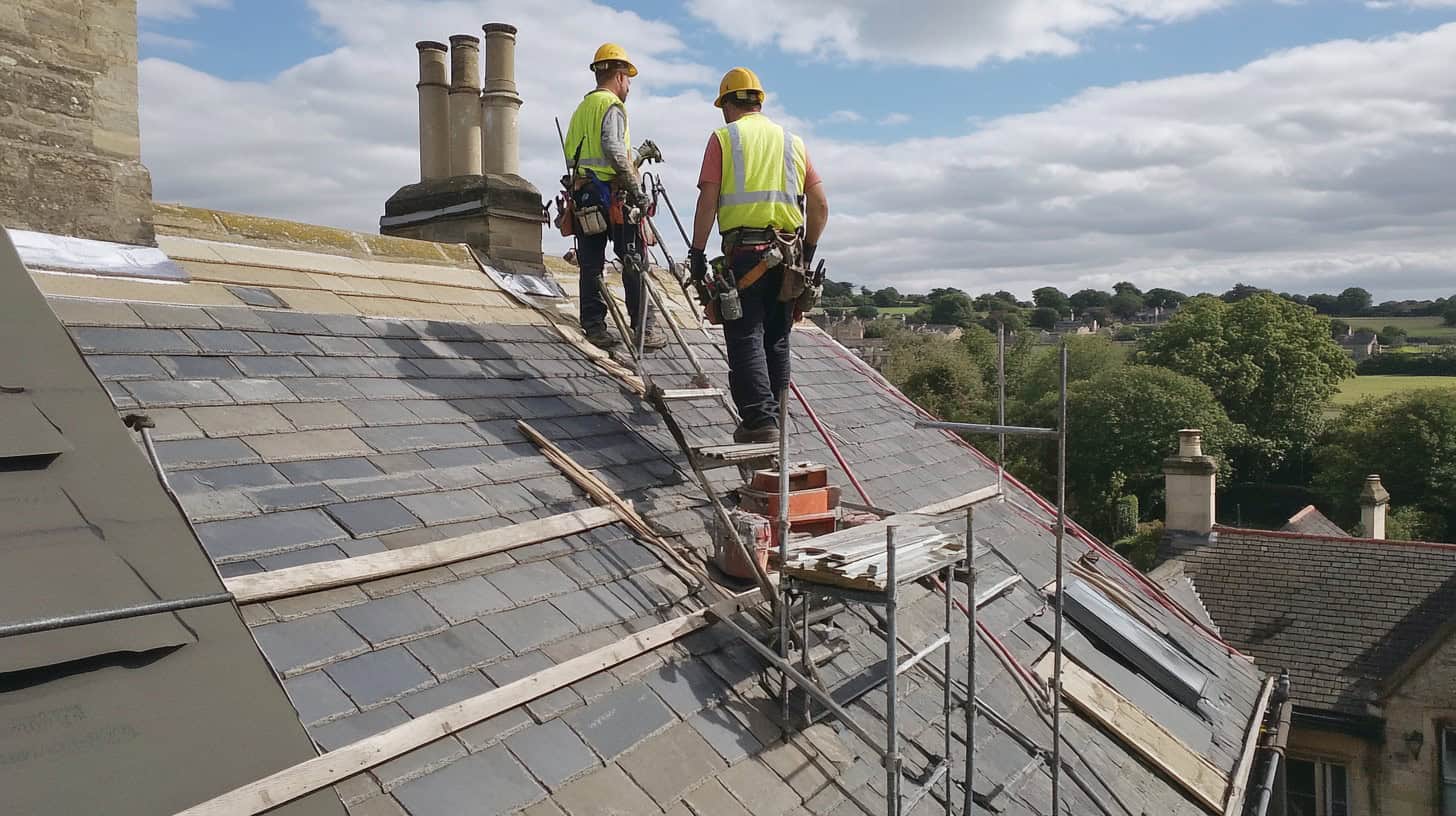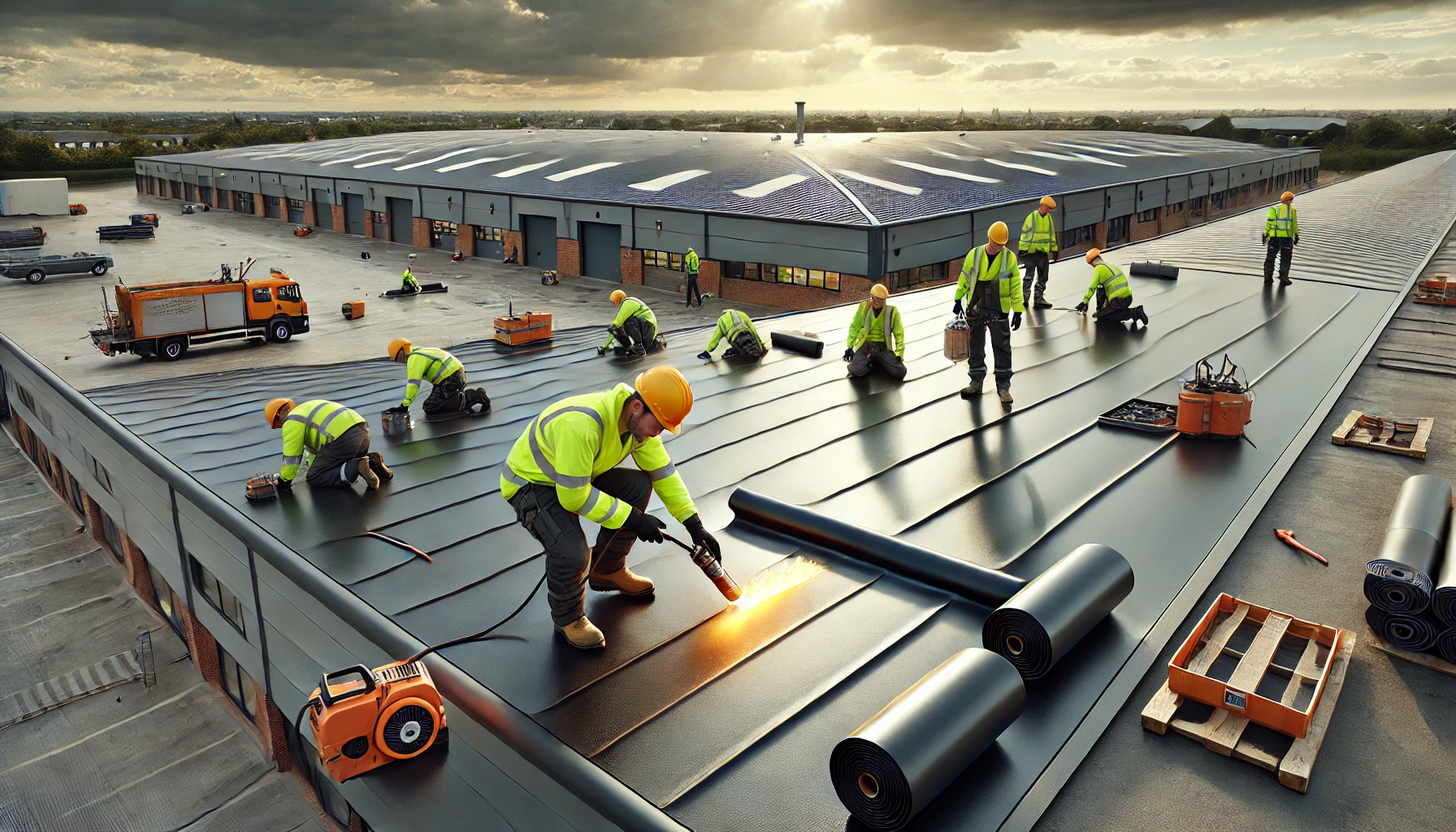
Roofing decisions hinge on your roof’s condition, age and budget, so you must weigh repair versus replacement carefully. Have a professional inspection and obtain multiple quotes to assess severity; signs such as sagging, collapsed sections, extensive water ingress, mould or rot indicate dangerous failure and favour replacement, while timely repairs can be more cost-effective and extend your roof’s lifespan when damage is limited. Use lifespan, warranty and long-term costs to decide.
Understanding Your Roofing Needs
When planning your next step, weigh roof age, material lifespan and future use: asphalt shingles typically last 20-30 years, metal roofs 40-70 years and flat membranes about 20-30 years. You should factor in roof pitch, insulation, occupancy and long-term plans-selling within five years often favours repair, while extensive energy improvements or a 25+ year roof age argue for replacement. Also check local building regulations and insurance implications for full clarity.
Assessing the Current Condition of Your Roof
Inspect visually and in the loft: search for curling or missing tiles, large areas of granule loss, damp stains and sagging sheathing which signals structural failure. Use a torch and moisture meter in the attic; trace leak patterns during or after rain. If over 30% of the covering shows wear, or flashing is failing, replacement becomes more likely. Professional surveys every 3-5 years cost £100-£300 and can save you far more.
Identifying Common Roofing Issues
You will commonly see shingle loss, rotted decking, failed flashing, blocked gutters, moss and poor ventilation; ponding water on flat roofs is especially hazardous if it persists beyond 48 hours. Wind uplift and hail create discrete damage, whereas algae and moss cause long-term moisture retention. Note that isolated defects often suit repair, but systemic failures usually require replacement to avoid repeated costs.
For example, single missing tiles or small flashing repairs typically cost £150-£1,000 and can be fixed within a day; widespread granule loss, pervasive rot or multiple leaks across valleys and eaves generally push you toward replacement at £4,000-£12,000 for an average semi-detached home. In a 2019 domestic survey, weather damage accounted for about 60% of re-roofs; persistent ponding, ongoing leaks or structural sagging should be treated as urgent because they compromise both safety and insulation performance.
Key Factors to Consider
When weighing repair versus replacement you must assess age, severity of damage, material lifespan and budget impact; typical asphalt roofs last 20-30 years while slate can exceed 75 years, and a small repair can cost £150-£800 versus reroofing at £3,000-£12,000. This frames whether a targeted fix will extend service life or if full replacement is the smarter investment.
- Age
- Severity of Damage
- Material
- Cost
- Warranty
- Energy efficiency
Age of the Roof
Your roof’s age frequently determines the decision: asphalt shingles commonly last 20-30 years, metal roofs 30-50 years, and slate or clay often exceed 75 years; if your roof is within five years of its expected life and showing multiple failures, replacement usually outperforms repeated repairs.
Severity of Damage
Assess the severity of damage by noting sagging, multiple leaks or soft spots-if over 30% of the area is affected or structural timbers are compromised, replacement is likely; isolated missing tiles or a small patchable leak often warrants repair, typically costing £150-£1,000 depending on scope.
Inspect the attic for water stains, mould or soft decking and consider a moisture meter or professional survey; for example, a Manchester case in 2019 showed surface damage over 20% concealed decking rot across 50%, turning an estimated £500 repair into a £6,500 reroof, so if you find hidden decay, favour replacement to avoid escalating costs and safety risks.
How-to: Evaluate Repair Options
Start by mapping visible damage: count cracked tiles, warped valleys, failed flashings and membrane blisters, then prioritise by risk-areas over rooflights or next to chimneys leak fastest. You should order a professional roof survey (£150-£300 typical) if you spot sagging or persistent damp, because hidden rot can make a cheap repair a false economy; conversely, targeted tile or flashing replacement often offers a cost-effective fix for up to a decade on younger roofs.
Cost Analysis for Repairs
Quantify parts and labour: simple leak patches run about £100-£600, replacing flashings £150-£500, and sectional re-roofing £800-£4,000 depending on material. You must factor in scaffolding (£200-£800) and disposal; obtain three written quotes and compare scope, warranties and timelines. If a quote lacks a minimum 5‑year workmanship or material warranty, treat it cautiously-longer guarantees often reflect higher-quality materials and installation.
Lifespan and Durability of Repairs
Mind the baseline: a single-tile swap on a 5-15 year old pitched roof can last 10-30 years if the underlay is sound, whereas felt or asphalt patches typically last 1-7 years; modern single-ply membranes (EPDM/TPO) commonly offer 20-30 year lifespans. Your choice of material, installer skill and ventilation determine durability, so prioritise reputable installers and manufacturer-backed warranties.
In practice, a targeted repair on a roof under 15 years old usually adds 5-10 years of useful life; on roofs over 20 years old you’re more likely to gain only 1-3 years before further failures appear. You should schedule annual inspections, clear gutters and document works-doing so preserves warranties and lets you spot accelerating deterioration, which prevents costly structural damage later.
How-to: Explore Replacement Options
When you assess replacement routes, compare whole-life cost, lifespan and disruption; for example, slate can last 75-100 years while metal roofs often reach 40-70 years. You should consult case studies and guides such as Roof Repair or Replacement: 5 Factors to Guide Your … to weigh long-term value against upfront spend and warranty terms.
Cost of New Roofing Materials
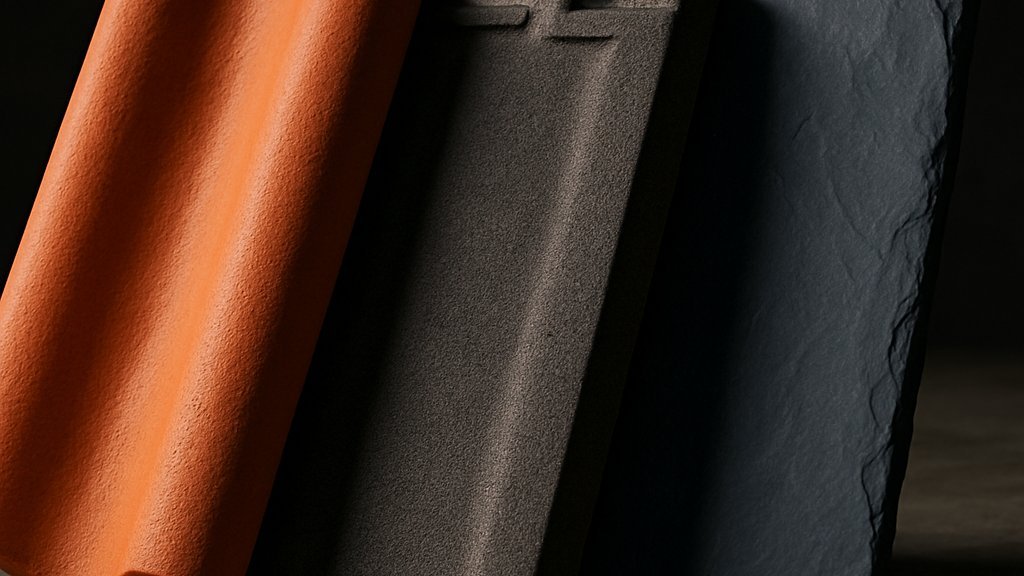
Expect materials to vary widely: basic concrete tiles might cost £25-£45/m², slate £40-£90/m² and metal standing seam £35-£80/m²; total installed bills for a typical semi-detached roof often fall between £3,000 and £8,000. Labour commonly represents 40-60% of the final price, so get at least three written quotes and inspect sample materials to avoid hidden expenses like rotten battens or underlay replacement.
Choosing the Right Roofing System
Start by matching system to pitch, budget and expected lifespan: flat roofs favour EPDM or single‑ply membranes with 20-30 year warranties, while pitched roofs suit clay, concrete or slate tiles; metal suits complex shapes and offers fast installation. You should factor in maintenance cycles-tiles may need re-pointing every 20-30 years-when selecting the best fit for your property.
Delve deeper by checking fire ratings, wind uplift resistance and BBA or ETA certifications; for instance, stainless steel or aluminium roofs score highly for corrosion resistance in coastal locations. Assess ventilation and insulation targets (aim to meet current regs and reduce heat loss), verify manufacturer warranties of 20-40 years and a contractor guarantee, and consider planning constraints such as conservation areas that may restrict visible materials.
Tips for Making the Decision
You should check age, material and recurring costs: most UK asphalt roofs last 20-25 years while slate can exceed 100 years. Track leak frequency and cumulative patch bills – repeated visits totalling more than 30% of a replacement estimate usually mean replace is more economical than repair. For example, three annual £400 patches versus a £5,000 reroof clarify the math. The rule of thumb: if repairs exceed 30% of replacement cost or the roof is older than 20-25 years, favour replacement.
- Obtain three written quotes and compare line‑item costs and warranties.
- Require a full survey with photos and a lifespan estimate; note any structural damage.
- Verify credentials: membership of the NFRC or TrustMark and current public liability insurance.
- Consider energy upgrades – new underlay and insulation can cut heating bills by up to 20%.
- If leaks risk internal decay, treat temporary repair as a stopgap while planning replacement.
Consulting with Roofing Professionals
When you consult roofing professionals, insist on a detailed roof survey with photos and a written report; many reputable roofers charge around £50-£150 for this. Ask for at least three itemised quotes, confirm a minimum 10‑year labour or manufacturer warranty, and request two recent local references from similar projects. Prioritise firms listed with the NFRC or TrustMark and check their public liability insurance before hiring.
Weighing Short-term vs. Long-term Benefits
You must weigh short‑term fixes against long‑term lifecycle costs: emergency patches typically cost £150-£600, while a full reroof for a semi‑detached house often ranges £4,000-£8,000. Include energy savings – replacing worn felt and adding insulation can reduce heating bills by up to 20% – and the uplift to resale value, since buyers often pay a premium for a certified new roof.
Consider real cases: a Manchester household replaced an ageing roof and upgraded insulation, cutting annual heating bills by about £600 and achieving a payback in roughly eight years; by contrast, a Bristol owner spent £2,400 on recurring patches over five years before replacing, ultimately paying more than a single £5,200 reroof. Use such comparisons to calculate your expected payback period and decide which route saves you money and risk.
Final Words
Ultimately you should weigh repair cost against remaining roof life, extent of damage, long‑term performance and your future plans; obtain a professional inspection, compare quotes, check warranties and material lifespans, and factor in energy efficiency and resale value before deciding. Prioritise solutions that protect your property and budget while minimising recurring maintenance.
FAQ
Q: How should I decide whether to repair my roof or replace it entirely?
A: Start by assessing the roof’s age, material and overall condition. Check for the number and extent of leaks, missing or curled tiles, widespread granule loss on asphalt shingles, sagging decking and any signs of rot or mould in the attic. Obtain at least two detailed quotes that break down labour, materials and any structural repairs. Compare the repair cost to the replacement cost relative to the roof’s expected remaining life (for example, if repairs exceed roughly half the cost of a new roof and the existing roof has limited remaining life, replacement often makes more sense). Factor in warranties, energy-efficiency gains, future maintenance needs and whether you plan to sell the property soon. If inspections reveal structural damage, repeated leaks or ageing beyond the manufacturer’s lifespan, replacement is usually the better long-term investment.
Q: What visible signs indicate a full replacement is necessary rather than patch repairs?
A: Visible indicators favouring replacement include large areas of missing, cracked or blistered tiles or shingles; persistent leaks in multiple locations; a sagging roof deck; rot or decay of rafters or decking; extensive moss, algae or lichen growth that has damaged materials; widespread bald spots where granules have worn away on asphalt shingles; and rusted or failed flashing across valleys, chimneys or roof penetrations. Additionally, if the roof is near or past its expected service life (commonly 20-30 years for many asphalt systems, longer for slate or metal) and you are experiencing frequent repairs, a full replacement will typically be the more reliable and cost-effective option.
Q: How do I compare quotes and evaluate costs to make the right roofing decision?
A: Ask each contractor for a detailed, itemised estimate that specifies materials, underlay, labour hours, removal and disposal fees, scaffolding, permits and warranty terms. Calculate the cost per remaining year of service by dividing the repair cost by the additional years it buys versus dividing the replacement cost by the expected lifespan of the new roof. Include indirect costs such as potential insurance impacts, increased energy efficiency from a new roof, and any disruption to household use. Verify contractors’ licences, insurance, references and local reviews, and insist on written guarantees for both materials and workmanship. Where possible, choose materials and solutions that align with your budget and long-term plans for the property rather than opting for the cheapest short-term fix.