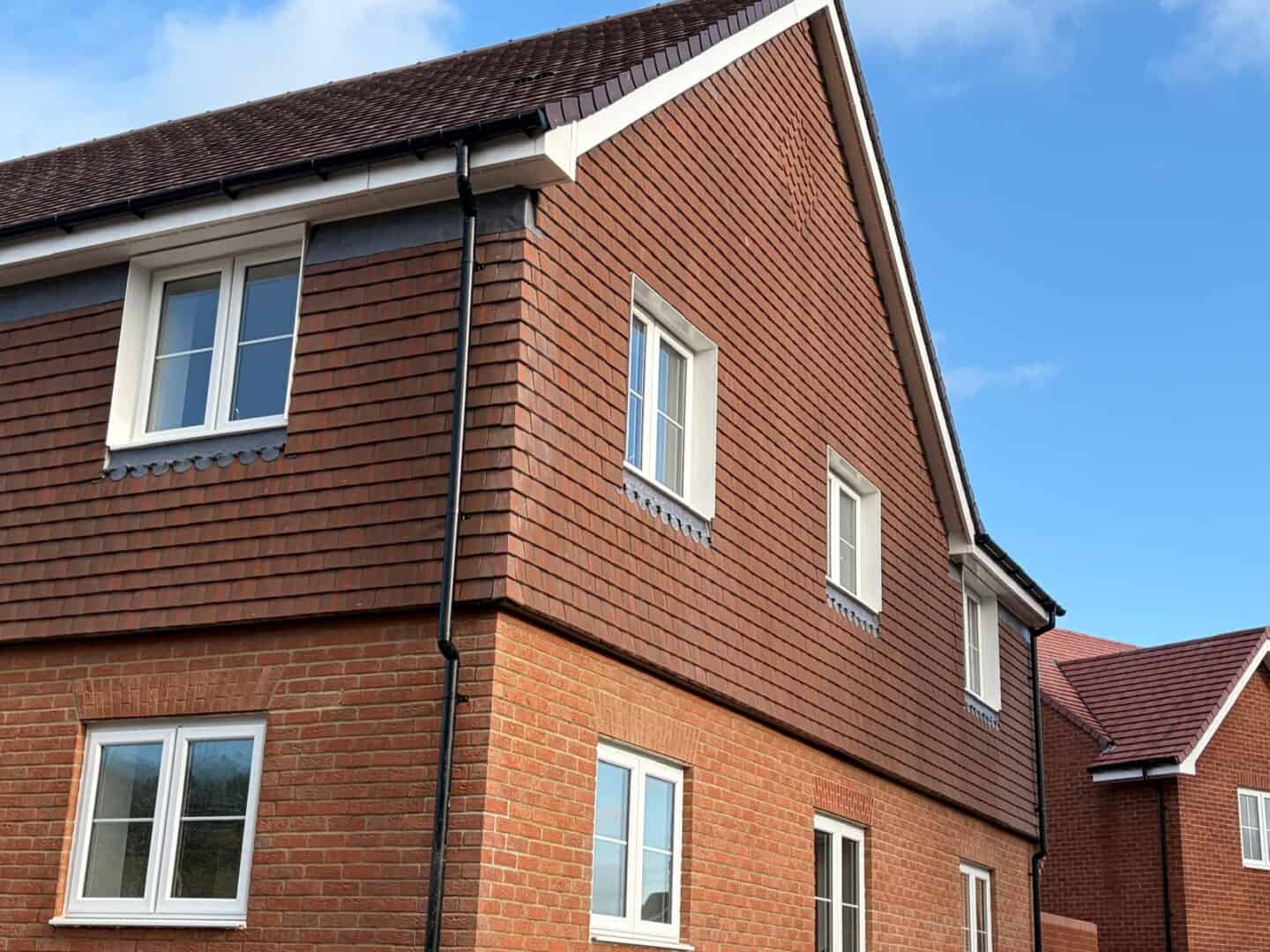
Energy efficiency is now a central requirement in UK construction, particularly within new build residential and commercial developments. Rising energy costs, evolving building regulations and growing environmental expectations mean that achieving high levels of thermal performance is no longer optional. Roofing systems play a critical role in this performance. Heat loss through poorly detailed roofs, inadequate insulation or incorrect ventilation can significantly reduce overall building efficiency.
For developers and principal contractors, delivering an energy-efficient new build is essential for compliance, long-term asset performance and market appeal. Globe Roofing supports new build projects with roofing systems designed to maximise thermal efficiency through correct specification of underlay (felt), ventilation strategies and insulation, particularly in areas prone to cold bridging.
Why Energy Efficiency Matters in New Builds
Modern UK building regulations place strong emphasis on energy performance. Part L of the Building Regulations sets minimum standards for conservation of fuel and power, requiring new homes and commercial buildings to meet increasingly stringent U-value and carbon reduction targets.
Poorly performing roof structures can undermine these targets. The roof represents a significant area of the building envelope, and uncontrolled heat loss through insulation gaps, poorly sealed membranes or thermal bridging can impact SAP calculations and EPC ratings.
High energy efficiency in new builds is not only about meeting regulatory requirements. It also enhances occupant comfort, reduces heating costs and improves long-term building durability by minimising condensation risk within roof voids.
The Role of Correct Roofing Felt (Underlay)
The selection and installation of the correct roofing felt or underlay is a critical element in achieving thermal efficiency. Modern breathable membranes are designed to allow moisture vapour to escape while preventing water ingress from external sources.
Using the appropriate underlay supports the performance of the insulation layer by reducing the risk of interstitial condensation. If moisture becomes trapped within insulation due to poor membrane selection or incorrect installation, thermal performance can be significantly reduced.
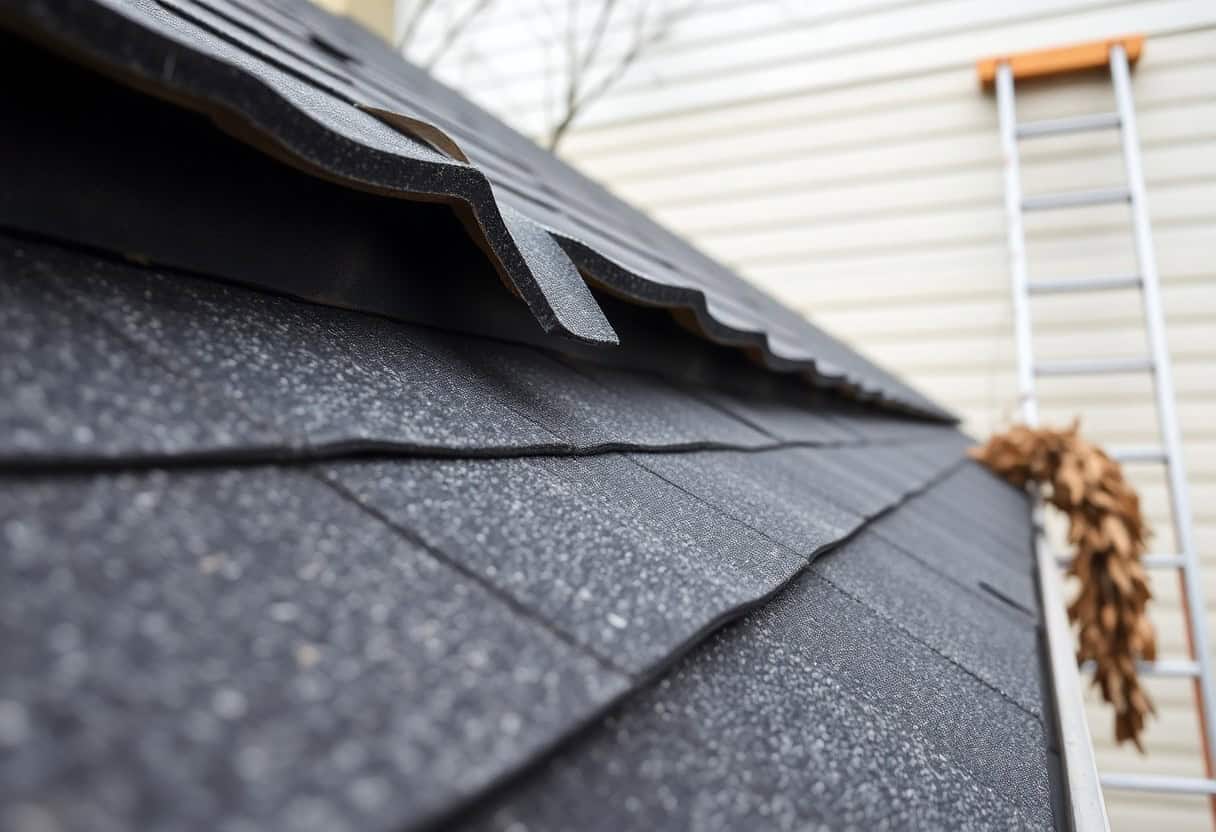
Correct detailing of the underlay at eaves, ridges, valleys and penetrations is equally important. Gaps or poorly sealed laps can create air leakage pathways, leading to unwanted heat loss. Globe Roofing ensures that underlay systems are installed in accordance with manufacturer guidance and integrated properly within the overall roof build-up.
Ventilation and Moisture Control
Energy efficiency and ventilation must be carefully balanced. While insulation reduces heat loss, inadequate ventilation can lead to condensation build-up within roof voids. This can compromise insulation performance and lead to timber decay or mould growth.
Effective roof ventilation helps maintain a healthy balance by allowing moisture-laden air to escape while maintaining the thermal integrity of the structure. This may involve eaves ventilation, ridge ventilation or proprietary systems designed to work alongside breathable membranes.
Properly designed ventilation reduces the risk of cold spots forming within the roof structure, which can otherwise contribute to cold bridging and thermal inefficiency. Ventilation should never be treated as an afterthought; it is a core part of achieving long-term energy performance.
Insulation and Thermal Performance
Insulation is the primary defence against heat loss through the roof. Achieving the required U-values depends on correct insulation thickness, continuity and installation quality.
Common insulation materials in pitched roof construction include mineral wool, rigid PIR boards and specialist insulated sarking systems. The choice depends on the roof design, target performance level and project specification.
Equally important is ensuring that insulation is continuous and free from gaps. Even small voids or compression of insulation can reduce its effectiveness. Globe Roofing works closely with site teams to ensure insulation is installed correctly, maintaining full coverage and alignment with design intent.
Addressing Cold Bridging in Roof Structures
Cold bridging occurs where heat escapes through elements of the structure that bypass insulation layers. In roof construction, common areas prone to cold bridging include:
• Eaves junctions
• Wall plate connections
• Roof-to-wall interfaces
• Around rooflights and dormers
• Structural steel or timber penetrations
If not properly detailed, these areas can create localised cold spots that reduce overall energy efficiency and increase condensation risk.
Addressing cold bridging requires careful design and precise installation. Insulation must be continuous across junctions, and detailing must ensure that structural elements do not create uninsulated pathways for heat loss. Correct membrane installation, airtightness detailing and coordination between trades are essential.
By focusing on these vulnerable areas, Globe Roofing helps ensure that roofing systems contribute positively to the building’s overall thermal performance.
Airtightness and Detailing
Energy efficiency in new builds is closely linked to airtightness. Uncontrolled air leakage through the roof structure can significantly impact heating performance and SAP calculations.
Correct sealing around penetrations, service routes and junctions is critical. Underlays must be lapped and sealed correctly, and insulation must be fitted without gaps. Mechanical fixings and detailing should not compromise the airtight layer.
High standards of workmanship are essential. Even well-designed specifications can fail to achieve intended performance if installation quality is inconsistent.
Compliance with UK Building Regulations
Meeting Part L requirements is a key driver for energy-efficient roofing. However, compliance also interacts with other regulatory considerations, including Part C (moisture control) and overall structural performance.
New builds are subject to inspection and performance assessment, and failure to meet required U-values or airtightness standards can delay completion and sign-off. By ensuring correct material selection, ventilation strategy and insulation detailing, roofing contractors play a vital role in helping projects meet regulatory expectations.
Globe Roofing approaches new build projects with a clear understanding of these compliance requirements, aligning installation practices with specification and performance targets.
Long-Term Benefits for Developers and Occupants
High energy efficiency in roofing systems delivers long-term benefits beyond regulatory compliance. Reduced heat loss lowers running costs for occupants, improving affordability and satisfaction. Improved thermal consistency enhances internal comfort and reduces condensation-related maintenance issues.
For developers, energy-efficient new builds are more attractive to buyers and investors. Strong EPC ratings and demonstrable performance support brand reputation and future sales performance.
By prioritising correct felt selection, effective ventilation and careful insulation detailing, the roofing element becomes a key contributor to the building’s sustainability credentials.
Conclusion
Achieving high energy efficiency in new builds requires more than simply increasing insulation thickness. It demands a coordinated approach that includes correct underlay specification, effective ventilation design and meticulous attention to areas prone to cold bridging.
Roofing systems are a critical component of the building envelope. When installed correctly and in line with regulatory requirements, they help reduce heat loss, control moisture and support long-term performance.
Globe Roofing delivers new build roofing solutions that prioritise energy efficiency, compliance and durability. For guidance on improving thermal performance within your next development, contact Globe Roofing to discuss your project requirements.