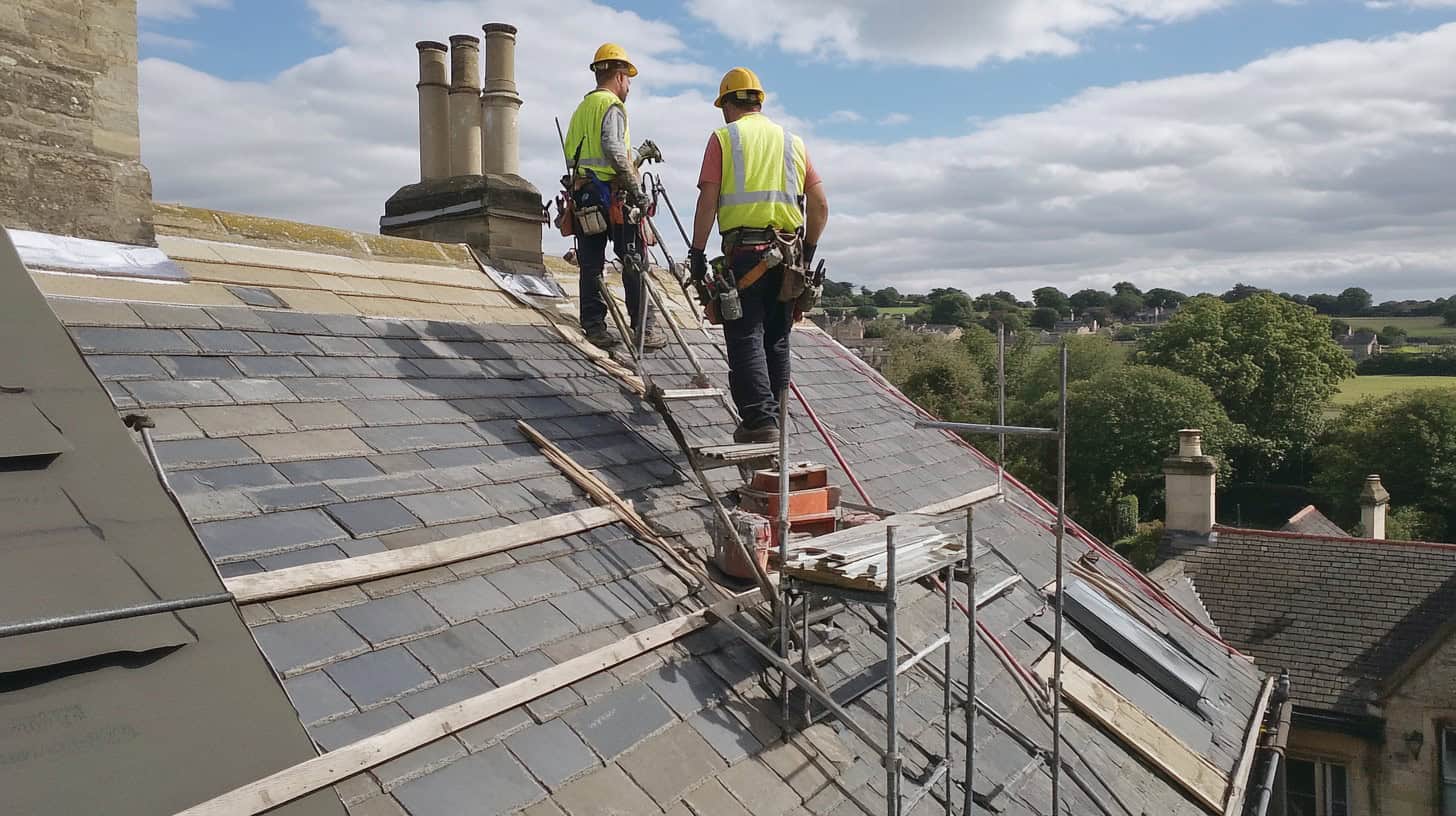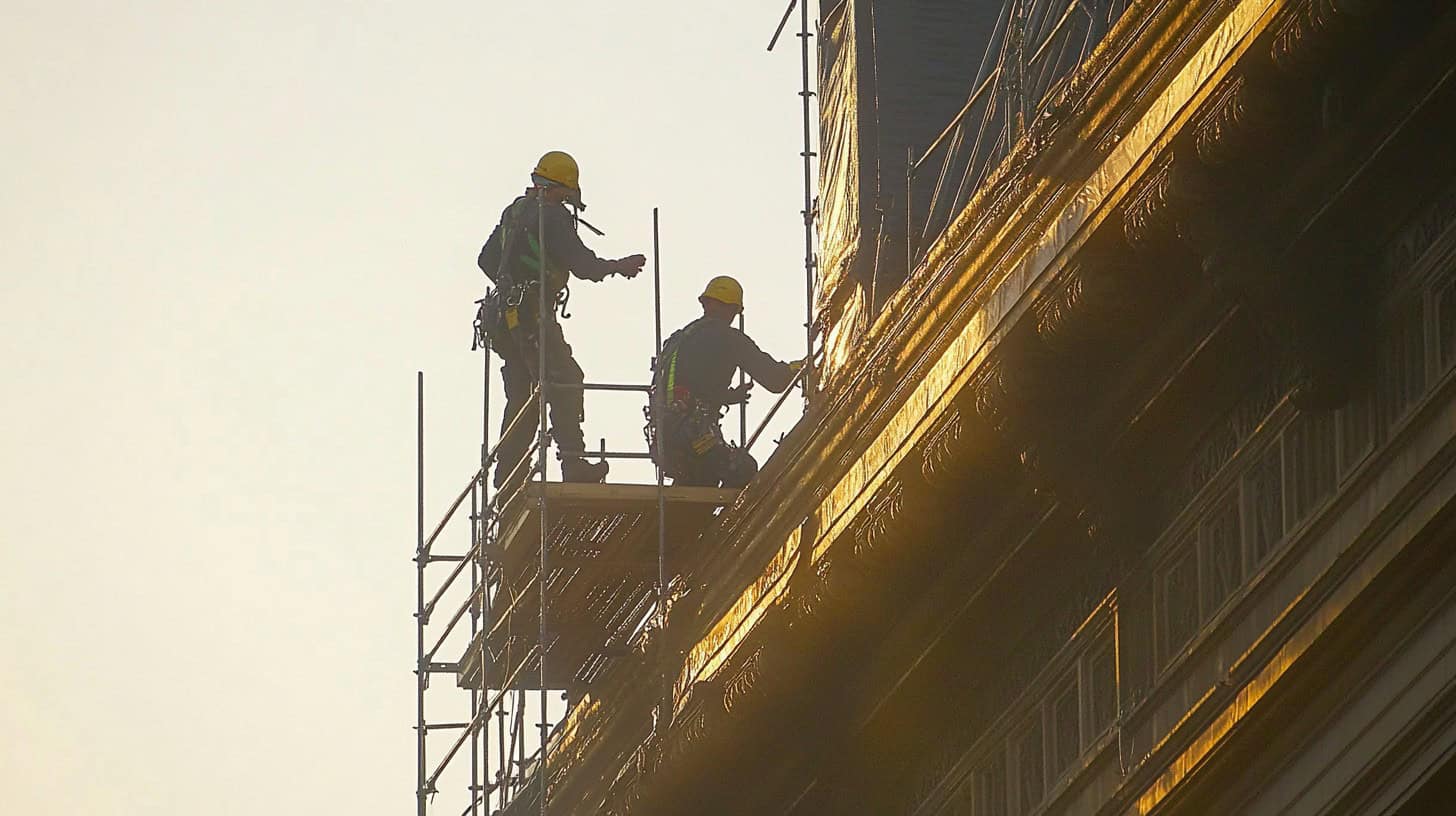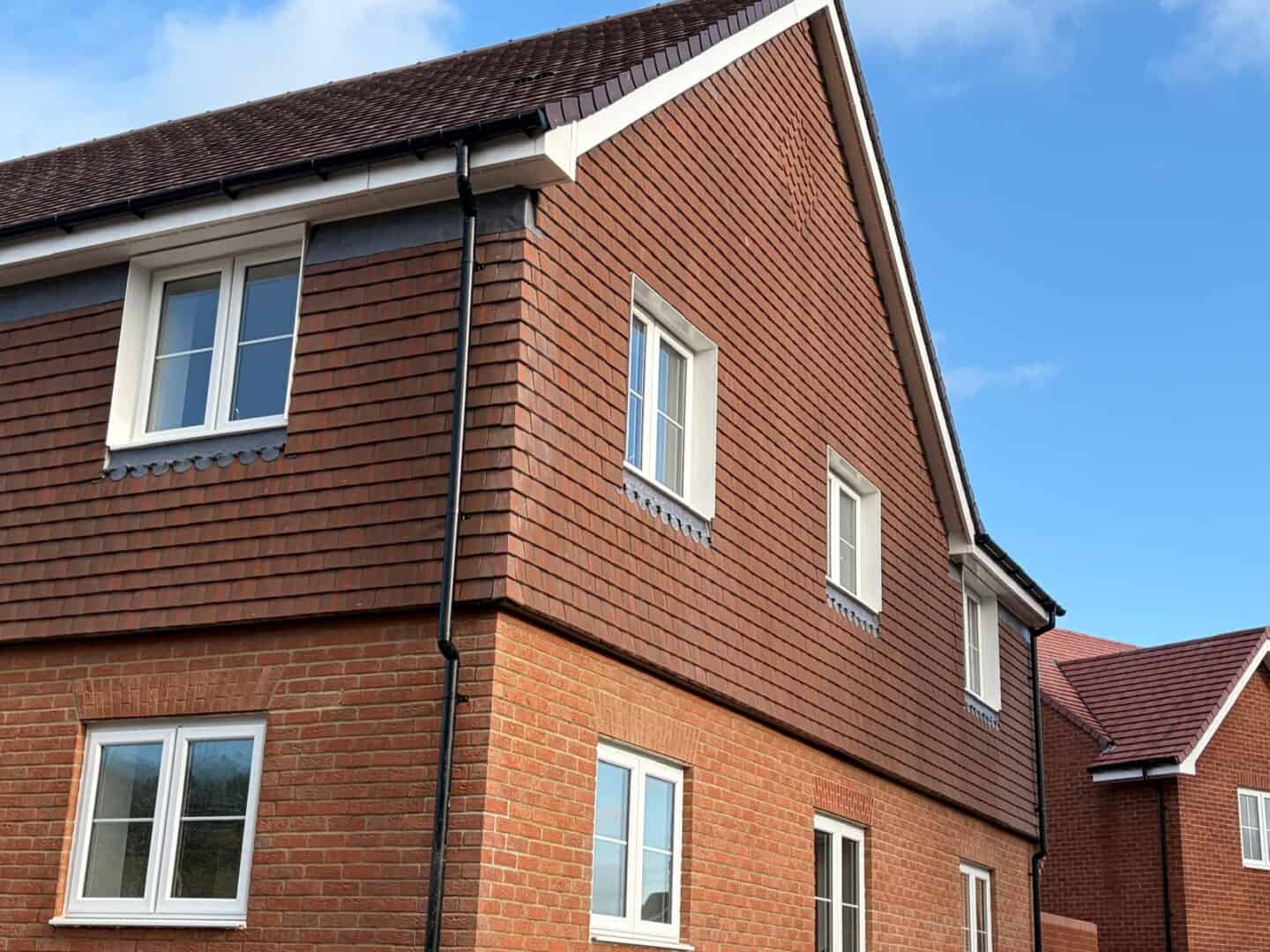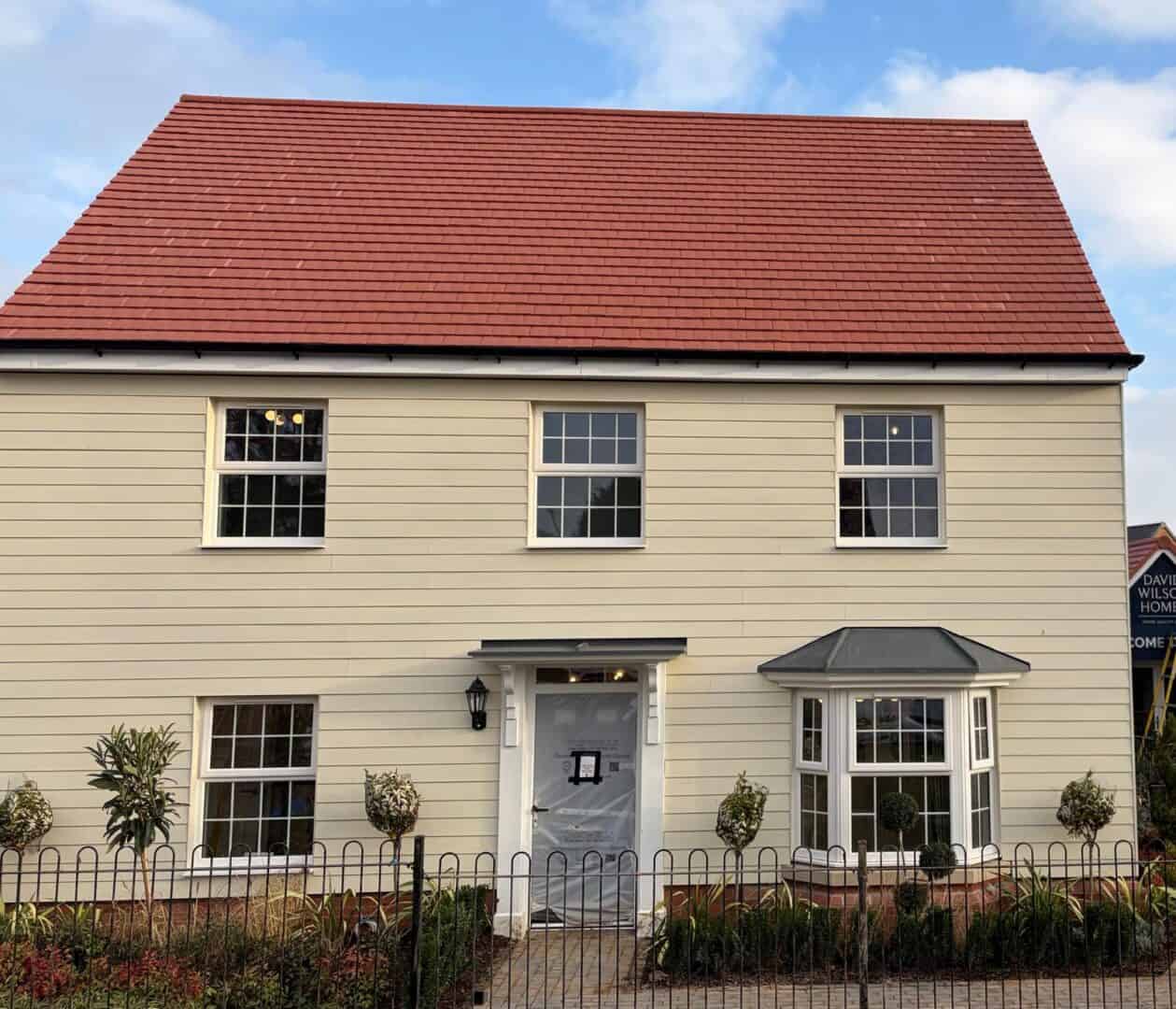
Modern roofing in the UK has evolved significantly over the past two decades. One of the most important developments has been the widespread adoption of dry fix systems for ridge, verge and hip details. Traditionally, these areas relied on mortar bedding, often referred to as “wet systems.” While mortar-based installations were once standard practice, modern dry systems offer improved durability, compliance and long-term performance.
For developers, principal contractors and housing providers, the move toward dry ridge, dry verge and dry hip systems is not simply a trend. It reflects a shift towards mechanically fixed, low-maintenance roofing solutions that better suit UK weather conditions and regulatory expectations. Globe Roofing regularly installs dry systems as part of a quality-focused, compliance-led roofing approach.
What Is a Dry Roofing System?
A dry roofing system is a mechanically fixed method of securing ridge tiles, verge units or hip tiles without relying on mortar. Instead of bedding tiles into sand and cement, dry systems use brackets, clamps, screws, unions and purpose-designed components to achieve restraint and weather protection.
Dry ridge systems mechanically clamp ridge tiles along the apex of the roof. Dry verge systems provide secure edge restraint using interlocking verge units. Dry hip systems mechanically secure hip tiles along angled roof junctions. Many of these systems also incorporate built-in ventilation components, supporting airflow through the roof space.
Unlike wet systems, which depend on the strength and longevity of mortar, dry systems rely on engineered components that are tested as part of a complete roofing assembly. This makes them more predictable in performance and easier to verify during inspection.
Dry Systems vs Traditional Wet Systems
Traditional wet systems rely on mortar bedding to secure ridge, verge and hip tiles. While this method has been used for decades, mortar is vulnerable to weathering. In the UK climate, repeated freeze-thaw cycles, heavy rainfall and temperature fluctuations can cause mortar to crack and deteriorate over time.
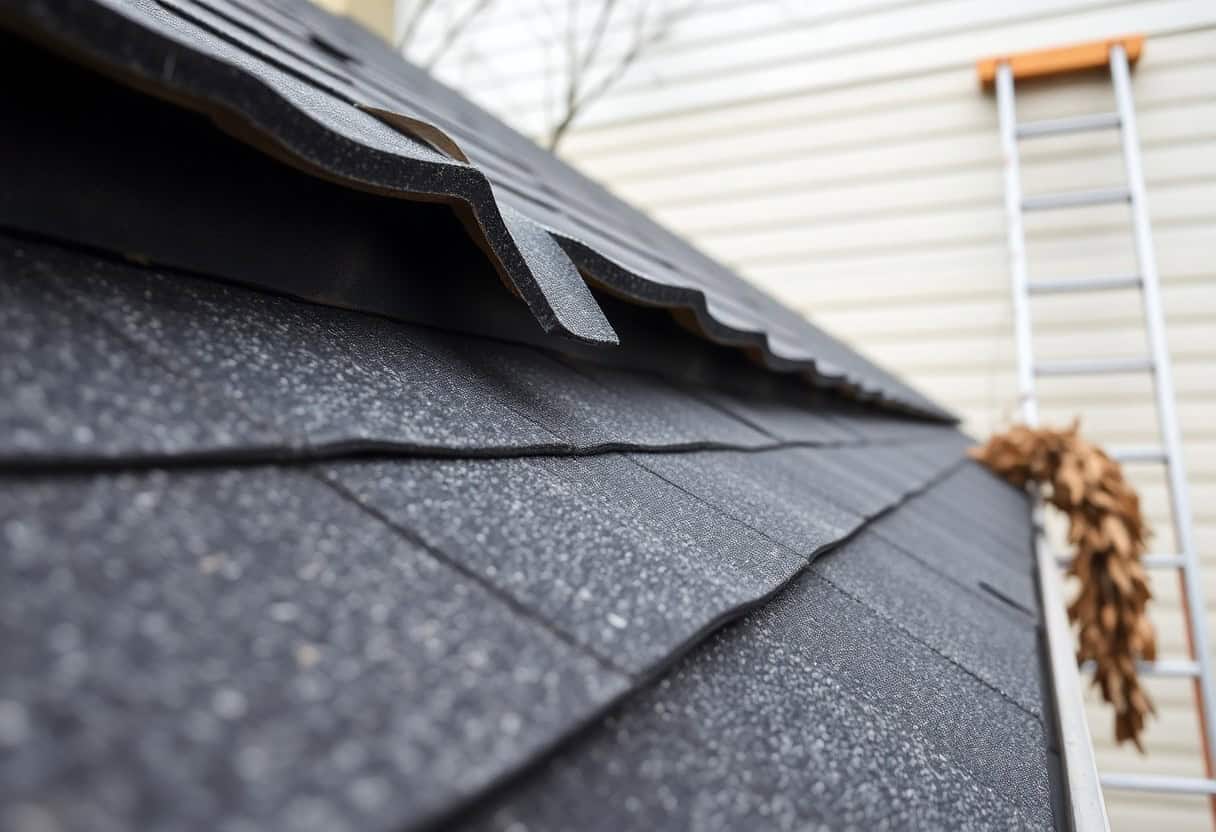
As mortar breaks down, ridge and verge tiles can loosen. This leads to maintenance issues, potential water ingress and, in severe cases, dislodged tiles during high winds. Mortar fall-out is a common call-back issue on older properties, often requiring patch repairs or full re-bedding.
By contrast, dry systems use mechanical restraint. Because they do not rely on brittle mortar, they are less susceptible to cracking or degradation caused by moisture and frost. The components are designed to accommodate slight movement from thermal expansion and contraction, which is particularly important in exposed UK environments.
For developers and contractors seeking long-term performance and reduced maintenance liability, dry systems provide a more controlled and engineered solution.
Benefits of Dry Ridge Systems
The ridge line is one of the most exposed areas of any roof. Wind uplift pressures are highest along the apex, making secure mechanical fixing essential. Dry ridge systems clamp each ridge tile in place using brackets and fixings that provide consistent restraint along the entire length of the roof.
In addition to mechanical security, many dry ridge systems incorporate continuous ventilation. This supports compliance with ventilation requirements under UK building regulations and reduces the risk of condensation within the roof void.
Because dry ridge systems do not rely on mortar, there is no risk of ridge bedding cracking or crumbling over time. This significantly reduces long-term maintenance and improves reliability in storm conditions.
Benefits of Dry Verge Systems
Roof verges are particularly vulnerable to wind-driven uplift and rain penetration. Traditional mortar verges can deteriorate at the exposed edge of the roof, leading to loose tiles and visible cracking.
Dry verge systems provide a secure, interlocking edge detail that mechanically restrains verge tiles. They create a clean and consistent finish while protecting against wind ingress and mortar loss. The elimination of exposed mortar reduces ongoing maintenance requirements and improves resistance to weathering.
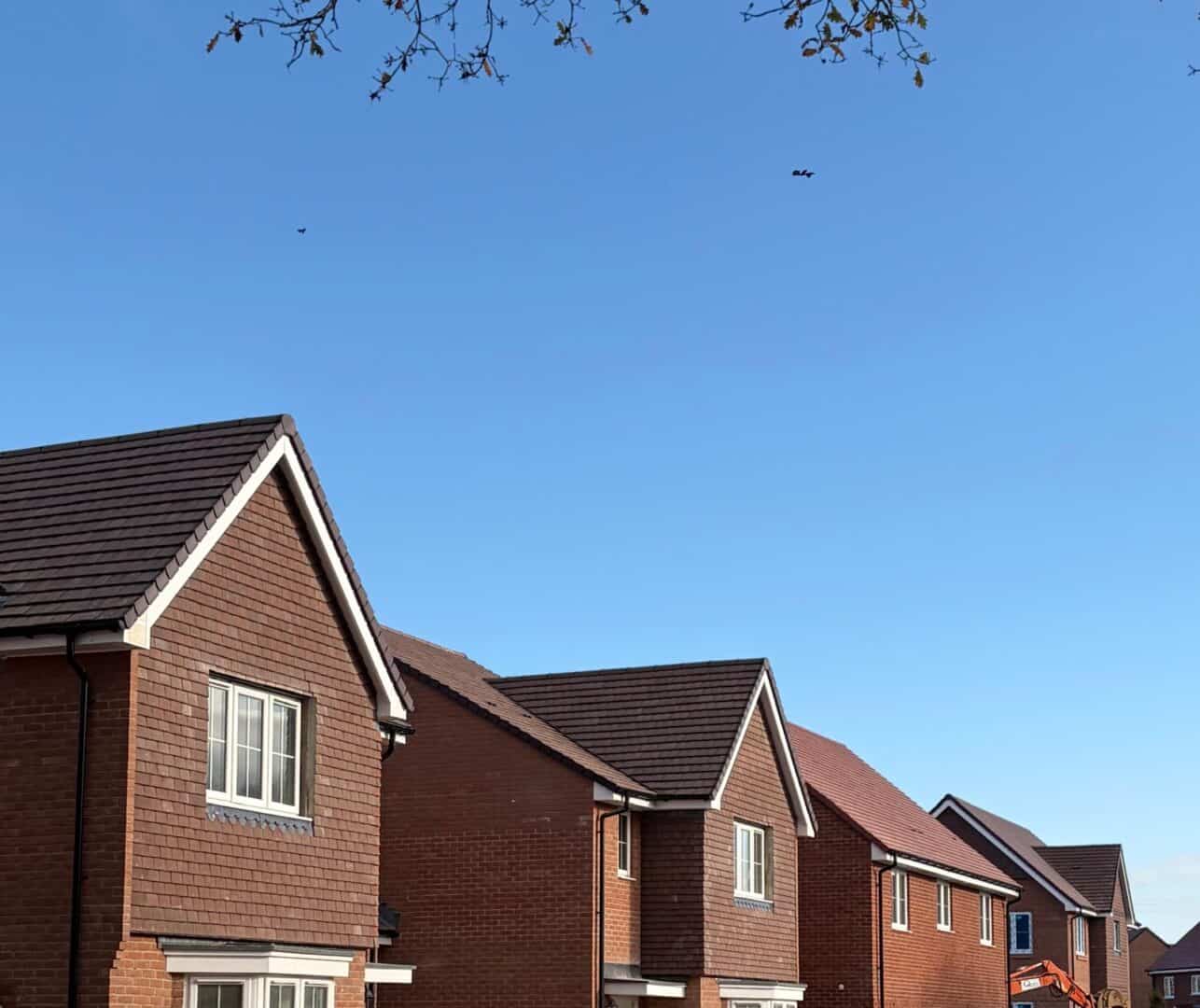
For new housing developments, dry verge systems also provide uniformity across plots, supporting a consistent and professional appearance.
Benefits of Dry Hip Systems
Hip lines, where two roof slopes meet at an angle, are also subject to wind pressure and movement. Mortar-bedded hip tiles can crack along the joint, particularly where there is differential movement between roof slopes.
Dry hip systems mechanically fix hip tiles using dedicated brackets and fixings. This provides secure restraint and allows for controlled movement without compromising performance. The result is a more robust detail that is less likely to require remedial work over time.
Reduced Maintenance Over the Life of the Roof
One of the most significant advantages of dry systems is reduced maintenance. Mortar is inherently vulnerable to the UK’s damp climate and freeze-thaw cycles. Over time, even well-installed mortar can degrade.
Dry systems eliminate this weakness by replacing mortar with durable mechanical components. There is no bedding to crack, crumble or fall away. This means fewer call-backs, fewer patch repairs and lower lifecycle costs for developers and asset owners.
For housing providers and facilities managers, this reduction in maintenance translates directly into cost savings and reduced disruption to occupants.
Compliance and Warranty Considerations
Modern dry systems are designed and tested as part of manufacturer-approved roofing systems. Installation is carried out in accordance with detailed technical guidance, ensuring that ridge, verge and hip details meet structural and wind uplift requirements.
Warranty providers and inspectors increasingly favour mechanically fixed systems because they offer predictable performance and reduced long-term defect risk. Using dry ridge, verge and hip systems can therefore support smoother inspections and improved confidence at handover stage.
Globe Roofing ensures that all dry systems are installed strictly in line with manufacturer specifications, maintaining compliance with relevant building standards and project requirements.
Suitability for UK Weather Conditions
The UK experiences a combination of heavy rainfall, high winds and frequent temperature fluctuations. These environmental factors accelerate mortar deterioration. Dry systems are better suited to these conditions because they are not reliant on a cementitious bond that can crack under stress.
In exposed or coastal areas, where wind loads are higher, mechanical restraint provides greater reassurance than mortar bedding alone. Dry systems are designed to meet calculated wind uplift requirements and maintain performance over time.
Conclusion
Dry ridge, dry verge and dry hip systems represent a modern and practical evolution in roofing practice. By replacing traditional mortar bedding with engineered mechanical restraint, dry systems offer improved durability, reduced maintenance and enhanced performance in UK weather conditions.
For developers and contractors seeking long-term reliability and compliance, the benefits are clear. Reduced call-backs, lower lifecycle costs and improved wind resistance make dry systems an increasingly preferred solution across residential and commercial roofing projects.
Globe Roofing delivers professionally installed dry roofing systems that prioritise durability, compliance and long-term value. For advice on incorporating dry ridge, verge or hip systems into your next project, contact Globe Roofing to discuss your requirements.