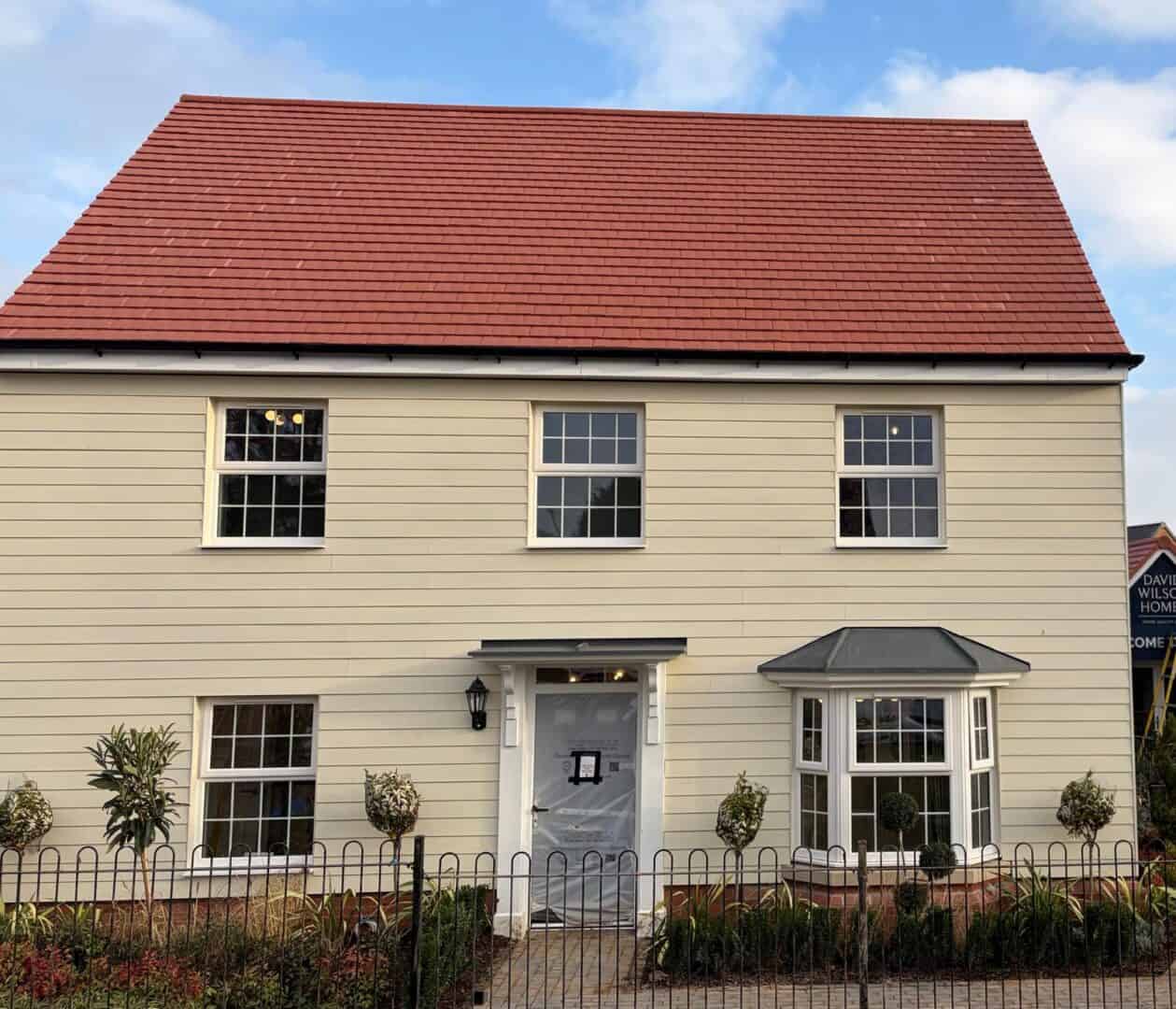
Warranty claims can significantly impact the profitability, programme and reputation of any new build development. In the UK, many roofing-related defects arise not from product failure but from installation that does not fully comply with manufacturer systems, NHBC Technical Standards or relevant British Standards. Ensuring full system compliance from the outset is one of the most effective ways to reduce warranty claims and protect long-term asset performance.
For developers and principal contractors, compliance is not simply a paperwork exercise. It is a structured approach to installation that aligns materials, detailing and workmanship with recognised standards. Globe Roofing supports this approach by delivering roofing systems that meet NHBC requirements and adhere to the relevant BS standards for each product type.
Why Warranty Claims Occur in Roofing
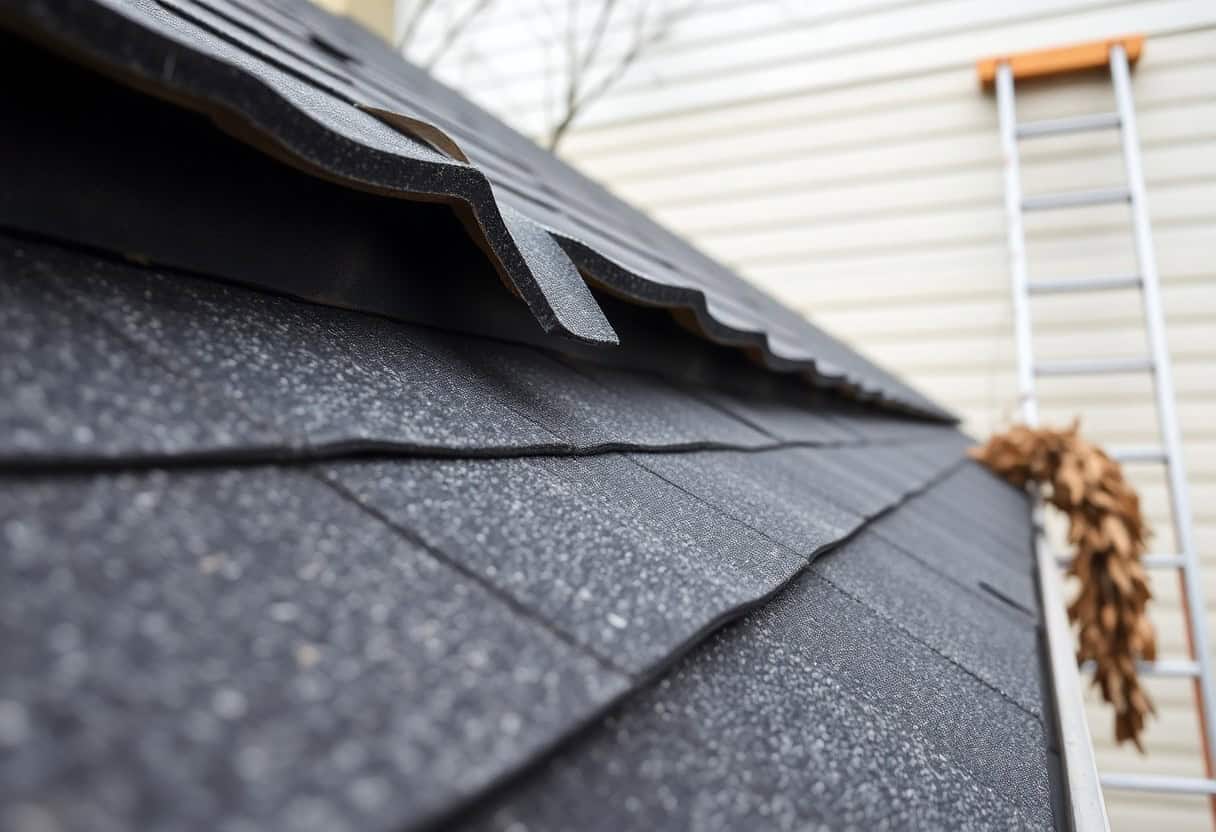
Warranty claims commonly arise from issues such as tile slippage, ridge failure, water ingress, condensation build-up or premature deterioration of materials. In many cases, investigation reveals that the issue stems from deviations in installation rather than inherent product defects.
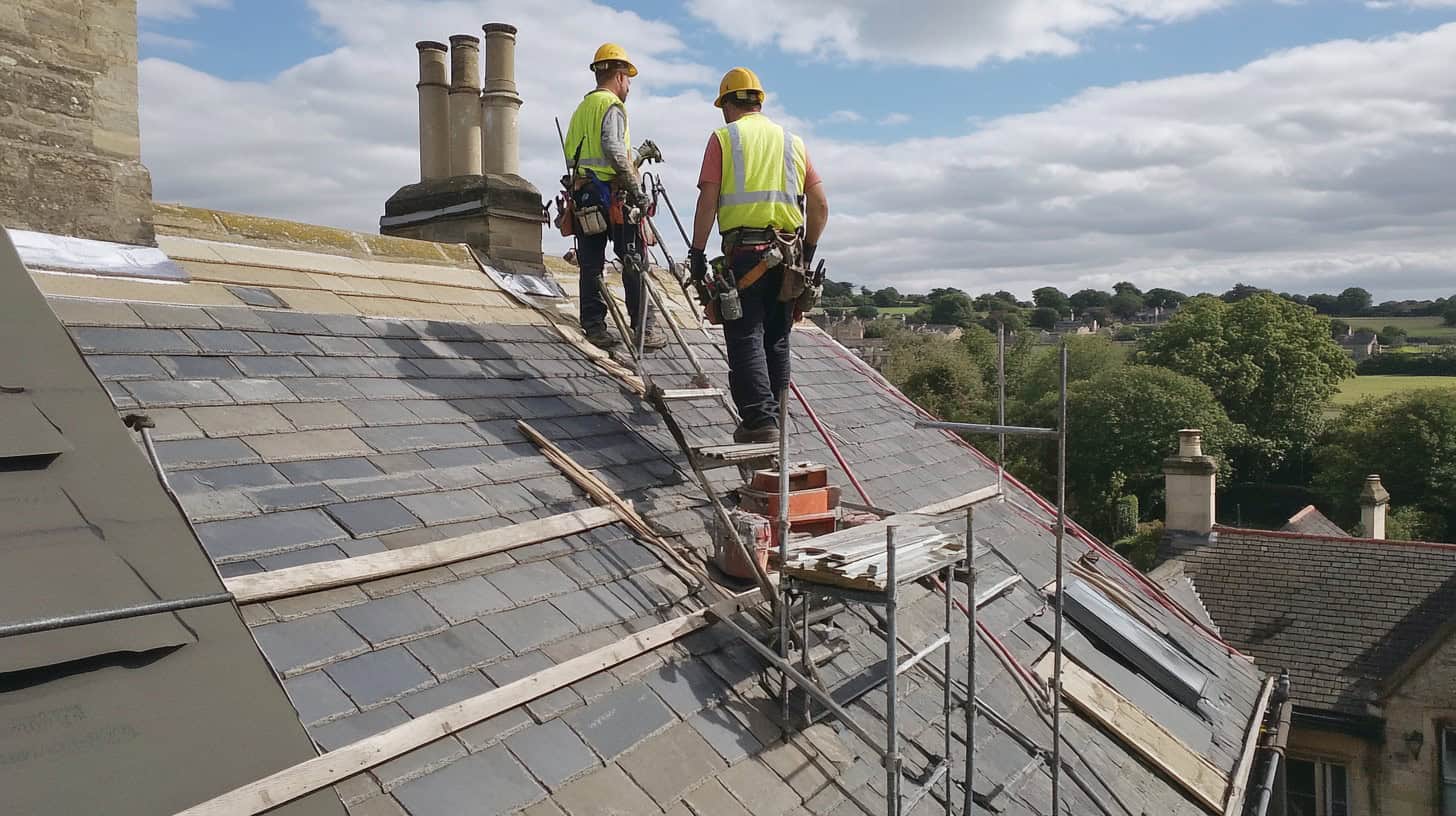
Typical causes include incorrect fixing patterns, inadequate mechanical restraint, poor ventilation provision, incorrect underlay installation or insufficient attention to perimeter detailing. Where systems are not installed in accordance with manufacturer instructions and recognised standards, long-term performance can be compromised.
Reducing warranty claims therefore depends on preventing these issues before they occur, through strict adherence to approved systems and standards.
The Role of NHBC Technical Standards
The NHBC is the most widely used structural warranty provider in the UK residential sector. NHBC Technical Standards set out clear requirements for roofing systems, including fixing methods, ventilation, underlay installation and detailing at junctions.
Compliance with NHBC guidance is essential for warranty approval and final sign-off. Inspectors assess whether installations align with manufacturer specifications and recognised good practice. Where deviations are identified, remedial works may be required before the property can be covered under warranty.
By aligning roofing installations with NHBC Technical Standards from the outset, developers reduce the risk of inspection failures, rework and subsequent claims.
Compliance with Relevant British Standards
In addition to NHBC guidance, roofing systems must comply with relevant British Standards (BS) that govern design, materials and installation practices. These standards provide the technical framework for performance expectations.
Examples include standards covering wind loading, slating and tiling installation, ventilation requirements and material performance. Compliance ensures that systems are installed to withstand UK weather conditions and perform over their intended lifespan.
Adhering to the relevant BS standards supports consistency, predictability and defensibility. In the event of a dispute or claim, being able to demonstrate compliance with recognised standards strengthens the position of developers and contractors.
System-Based Installation Rather Than Component Substitution
One of the most common causes of warranty issues is the mixing of components outside of approved systems. Manufacturers test and certify roofing systems as complete assemblies. Substituting alternative components or adjusting fixing methods without technical approval can invalidate performance assumptions.
System compliance means using compatible components that are designed and tested to work together. This includes underlays, battens, fixings, ridge systems, ventilation components and accessories.
Globe Roofing follows a system-led installation approach, ensuring that each roof is built in line with manufacturer specifications and supported by appropriate certification. This reduces the likelihood of hidden weaknesses that may only become apparent years after completion.
Correct Fixing and Mechanical Restraint
Wind uplift and mechanical restraint are frequent contributors to warranty claims. Incorrect fixing centres, insufficient clips or poorly secured ridge systems can result in tile movement and water ingress.
NHBC and British Standards provide guidance on fixing requirements based on exposure, roof pitch and location. Manufacturer-issued fixing specifications translate these requirements into practical installation instructions.
By strictly adhering to issued fixing specifications and documenting compliance, roofing contractors significantly reduce the risk of uplift-related failures and associated warranty claims.
Ventilation and Condensation Control
Condensation-related claims are another common issue in new build properties. Insufficient ventilation, incorrect underlay selection or poorly sealed junctions can trap moisture within roof voids, leading to damp, mould or timber decay.
Compliance with NHBC and BS standards relating to ventilation ensures that moisture is effectively managed. Eaves ventilation, ridge ventilation and breathable membrane systems must be correctly specified and installed to maintain airflow while preserving thermal efficiency.
Addressing ventilation during installation reduces long-term risk and helps prevent costly post-handover complaints.
Documentation and Evidence of Compliance
Reducing warranty claims is not only about correct installation; it is also about demonstrating compliance. Clear documentation, including manufacturer specifications, inspection records and photographic evidence, supports smooth warranty inspections and provides protection in the event of future claims.
Maintaining an audit trail allows developers and contractors to show that systems were installed in accordance with NHBC Technical Standards and relevant BS guidance. This transparency strengthens confidence and reduces dispute potential.
Globe Roofing incorporates documentation and quality checks into its project workflow, supporting both immediate sign-off and long-term accountability.
Training, Supervision and Quality Control
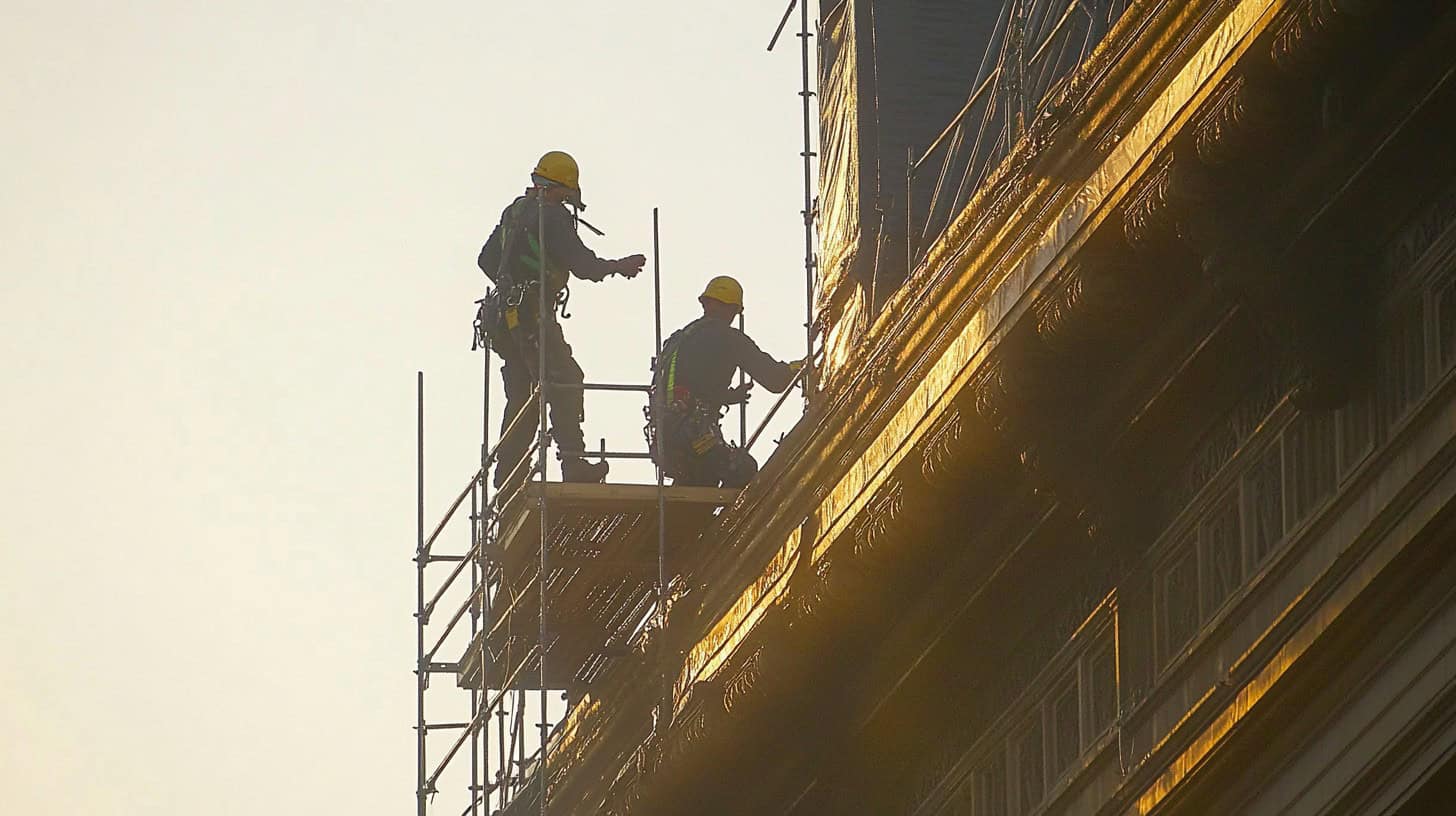
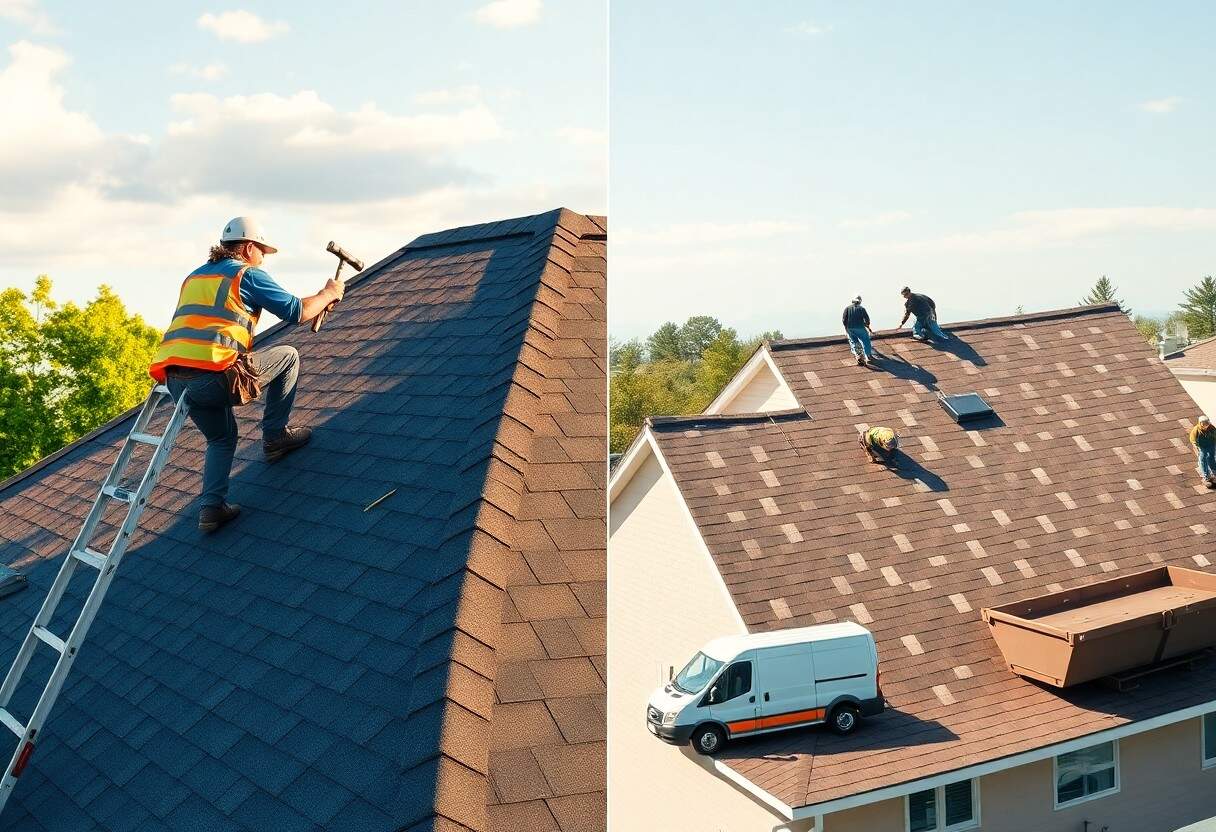
Warranty claim reduction depends heavily on workmanship. Even well-designed systems can fail if installation is inconsistent. Regular supervision, installer briefings and quality checks ensure that site teams understand specification requirements and follow them precisely.
By reinforcing compliance through structured site management, contractors reduce the likelihood of errors that may only surface after occupation.
A compliance-led culture on site directly correlates with lower defect rates and improved warranty performance.
Long-Term Commercial Benefits
Reducing warranty claims provides tangible commercial benefits. Fewer call-backs mean lower remedial costs, less disruption and improved relationships with clients and homeowners. Developments with strong compliance records are more attractive to investors and purchasers.
By focusing on NHBC and BS system compliance, developers protect both short-term project margins and long-term brand reputation.
Warranty claims in roofing are often preventable. The key lies in strict adherence to system-based installation, compliance with NHBC Technical Standards and alignment with relevant British Standards.
Conclusion
Correct fixing, proper ventilation, appropriate underlay selection and attention to detailing all contribute to long-term performance. When these elements are supported by thorough documentation and quality control, the risk of post-completion defects is significantly reduced.
Globe Roofing delivers roofing systems built around compliance, quality and accountability. By aligning installation practices with recognised standards and manufacturer guidance, warranty risk is minimised and long-term performance is protected. For support in delivering compliant roofing systems that reduce warranty exposure, contact Globe Roofing to discuss your project requirements.