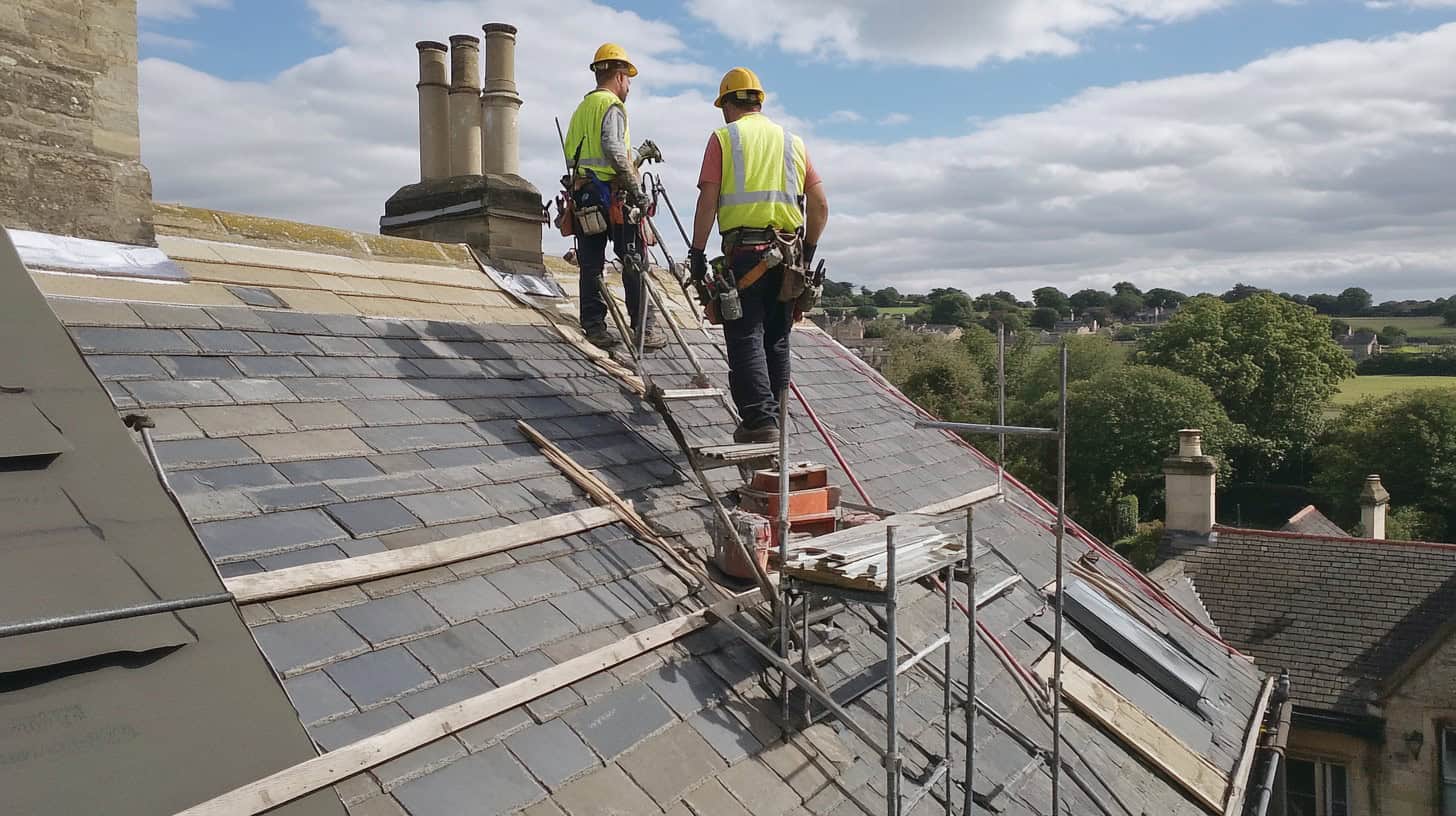

Many business owners overlook early roof issues, but if you spot water stains, persistent leaks, pooled water or sagging sections you must act swiftly; these are the most dangerous signs that can lead to structural damage. Also watch for missing or damaged flashing, blistering membrane and increased energy bills, which indicate deterioration. Timely inspection and repair will help you avoid expensive replacements and protect your premises, staff and operations.
Understanding the Importance of Commercial Roof Maintenance
If you leave small issues unchecked – ponding water, split membranes or blocked outlets – they escalate quickly; a simple patch that might cost a few hundred pounds can become a full replacement of £20,000+ within a year. Regular checks catch torn flashings and clogged outlets early, limit moisture ingress (mould can start within 48-72 hours) and help you maintain warranty and insurance cover, so proactive upkeep directly protects your asset, energy bills and legal exposure.
Cost Implications of Roof Repairs
Planned maintenance typically costs a fraction of reactive repairs: emergency call-outs and temporary works often add a 20-50% premium, while prolonged leaks lead to internal damage, inventory loss and business interruption. For example, a warehousing operation that delays repair can incur tens of thousands in ruined stock and uplifted labour costs; budgeting for biannual inspections and a contingency fund usually reduces total lifecycle spend substantially.
Safety Concerns for Occupants and Property
Compromised roofs create immediate hazards: falling debris, slippery floors from internal leaks, electrical short-circuits and long-term health risks from mould. Structural degradation can progress unseen, raising the prospect of structural failure and injury, and you remain legally liable under the Health and Safety at Work Act 1974 if you do not manage these risks effectively.
Concrete examples underline the danger: water penetrating a steel-deck roof can begin corroding fixings within 6-12 months, saturated insulation loses thermal value and increases condensation, and high winds can dislodge loose membranes, turning roof coverings into projectiles. You should schedule inspections at least twice yearly and after major storms, record findings and remedial actions to reduce liability and to support any future insurance claims.
Common Early Warning Signs of Roof Problems
You should monitor visual cues that predict escalation: ponding water, split membranes, lifted flashing, and enlarging interior stains. Small defects often compound quickly – a coin‑size leak can spread to over a metre in 6-12 months, increasing repair complexity and cost. Prioritise signs that combine moisture with structural movement, since those correlate strongly with decking rot, insulation loss and potential safety hazards.
Leaks and Water Stains
Even faint brown patches on ceilings or soffits indicate water penetration from flashings, pipe penetrations or membrane breaches; trace stains often run several metres from the roof entry point. Use a moisture meter or infrared survey to map the wet area, because widespread damp leads to mould, electrical risk and weakened decking. Act quickly when stains expand or reappear after rain.
Cracked or Damaged Shingles
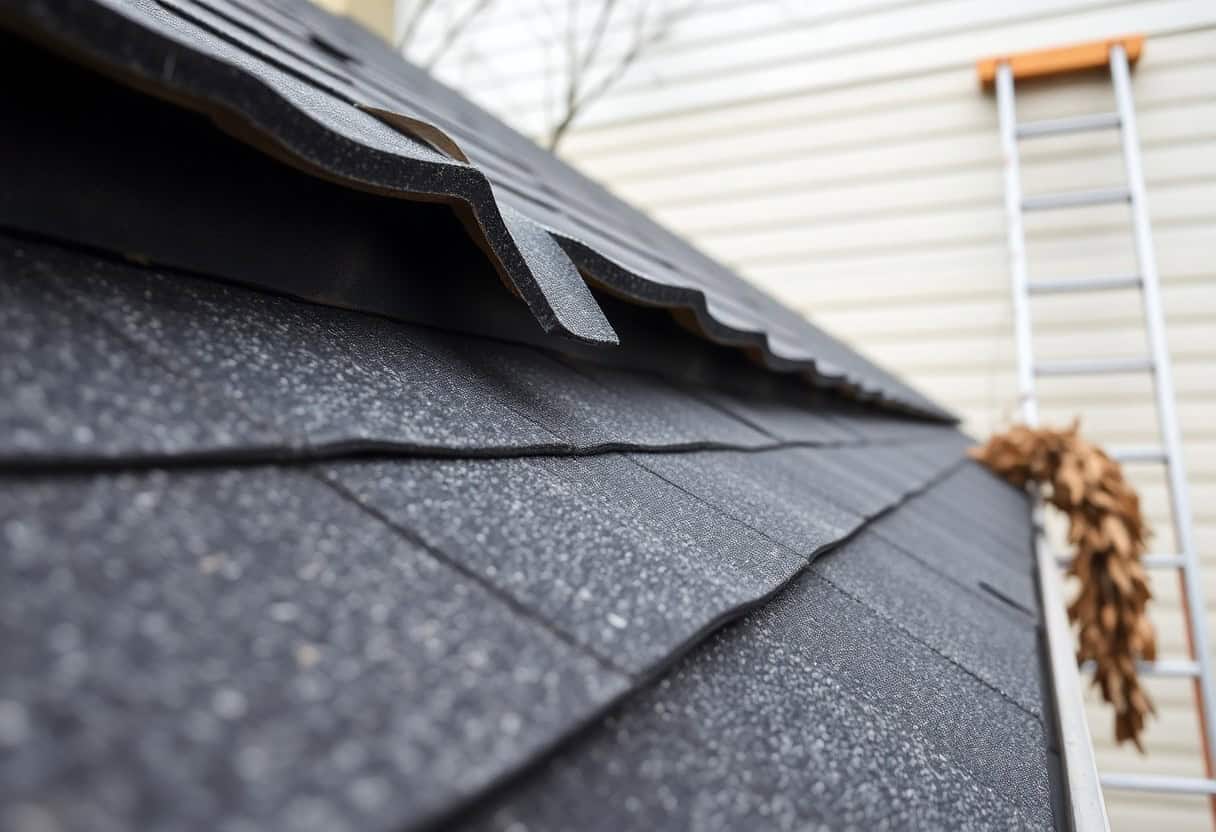
Shingles that show splitting, severe curling, or missing granules signal ageing or storm damage; you might also find granule debris in gutters after a wind event. Such defects permit rapid water ingress around joints and underlayment, increasing the chance of uplift and localised failure during adverse weather – missing shingles and exposed underlayment are high‑risk.
On inspection count damaged units across a slope: if multiple adjacent shingles are compromised or damage exceeds a small, repairable cluster, plan for section replacement rather than patching. Asphalt shingles typically perform for about 15-30 years; localised repairs can cost a few hundred pounds, whereas full re‑covering runs into the low thousands depending on area and access.
The Role of Regular Inspections
Regular inspections identify small defects before they become expensive failures; you should schedule professional surveys at least twice a year and immediately after severe weather. Inspections routinely reveal issues such as ponding over 25mm, split membranes or blocked outlets that lead to leaks and downtime. When signs escalate, consult guidance like 5 Signs Your PA Business Needs Emergency Commercial … for urgent actions.
Preventative Maintenance Strategies
You should adopt a written maintenance programme: clear drains and gutters quarterly, inspect flashings monthly, and plan roof recoats every 7-10 years. Keep vegetation and debris at least 1m from upstands, log repairs with photos, and use annual infrared scans to detect hidden moisture – measures that can reduce long-term repair costs by up to 50% in many cases.
Professional Inspection vs. DIY
DIY walkovers help spot surface defects, but professionals use rope access, moisture meters and thermal imaging to detect concealed failures; a certified survey typically costs around £150-£600 depending on roof size. Relying solely on amateur checks risks missing seam separations or saturated insulation, which often lead to major faults and higher repair bills.
You should combine regular in-house checks with a full professional survey at least annually and after storms that drop more than 50mm of rain or produce high winds. For example, a Midlands distribution centre avoided a £40,000 reroof when a contractor’s thermal scan revealed 12% moisture beneath insulation that a walkover missed; professionals also supply written defect lists you can use to prioritise and budget repairs.
Seasonal Considerations for Roof Care
Seasonal shifts force you to adapt maintenance: inspect your roof at least every 6 months and after major storms, clear outlets and gutters, remove debris from ballast roofs and photograph membrane condition. Winter demands load and drainage checks while summer focuses on UV and sealant wear; businesses that follow a seasonal checklist reduce emergency repairs and can extend roof life by several years.
Winter Weather Impacts
In winter you contend with snow loads, ice dams and blocked outlets that cause ponding and uplift; remove accumulations when depth reaches 10-15 cm to limit static stress. Freeze-thaw cycles speed seam and flashing deterioration, so inspect drains and parapet weep holes before temperatures drop below 0°C and clear snow from gullies promptly to avoid long-term membrane delamination.
Summer Heat Effects
Summer brings UV degradation, membrane softening and increased thermal movement; TPO and EPDM can expand and contract repeatedly, stressing seams and fasteners. Monitor roof surface temperatures above 35°C, inspect sealants annually and consider shading rooftop plant or applying reflective coatings to reduce thermal load and slow premature ageing.
Additionally, you must check for blistering and membrane shrinkage, and replace compromised flashings quickly; reflective coatings with 60-80% solar reflectance can substantially lower surface temperatures and extend service life. Carry out seam and fastener inspections every 12 months and document repairs so you can spot recurring heat-related failures before they escalate.
Choosing the Right Repair Solutions
Materials and Techniques
Select materials based on roof type and exposure: EPDM (20-30 years), TPO (15-25 years), PVC (20-25 years) or modified bitumen (10-20 years); liquid-applied silicones can add 5-10 years. If you have high foot traffic or chemical exposure choose weldable single‑ply or reinforced membranes; adhesives suit EPDM. Use heat- or hot-air welding for seams on TPO/PVC, solvent or tape for EPDM. Ponding water and poor drainage accelerate failure so factor drainage fixes into your technique.
When to Repair vs. Replace
Assess age, damage extent and cost: if the membrane is older than 20-25 years, or more than 30% of the surface requires patching, replacement is usually the better value. Short-term repairs costing under £20-£50/m² may suffice for isolated breaches; full replacement typically runs £60-£120/m² depending on system. Weighty concerns include deck rot and recurring leaks; ongoing leaks can cause structural decay and mould, increasing liability and downtime for your business.
Run cost comparisons across a three-year window: when cumulative repair bills exceed roughly 30-40% of replacement cost you should favour replacement. Use infrared moisture surveys and core sampling to spot trapped wet insulation, and document findings for insurers. For example, a 5,000 m² warehouse with repeated seam failures often pays back a full replacement within five years through reduced maintenance and energy savings. A new system also typically restores manufacturer warranty and reduces long-term liability.
Working with Commercial Roofing Professionals
You should prioritise contractors who supply a written, itemised contract, evidence of compliance with Building Regulations and a clear warranty package – typically a minimum 10‑year workmanship warranty plus manufacturer guarantees of 20-30 years on membranes. Ask for recent moisture surveys or thermographic reports and confirm public liability insurance of at least £5 million. Practical checks such as site references for similar projects (for example, 800-1,500 m² flat roofs) and emergency response times (within 24 hours) reduce operational risk.
Finding Qualified Contractors
Start by verifying membership of industry bodies like the National Federation of Roofing Contractors and evidence of workforce training (CITB, CSCS cards). Seek contractors who can show a portfolio with dates, client contacts and before/after photos for projects of comparable size; for instance, a supplier who has completed multiple 1,000 m² installations. Expect them to provide a site visit, detailed method statement, and plant licences for access equipment – these are positive signals of competence.
Questions to Ask Before Hiring
Ask whether they hold public liability ≥£5m and employer’s liability, can produce insurance certificates, offer an itemised written quote, provide a site‑specific risk assessment and method statement, deliver a moisture or thermal survey, and supply manufacturer warranty documents. Clarify who will supervise onsite, the programme (start date, milestones, completion), defects liability period and emergency response time. These answers reveal whether they can manage safety, quality and downtime.
Good responses include prompt production of certificates, a detailed scope with quantities and rates, a clear testing regime (e.g. adhesive bond tests, moisture meter readings) and a named project manager. Red flags are vague timelines, refusal to sign a contract, or no test reports. In one case a client saved £12,000 by choosing a contractor who performed a thermographic survey that identified repairable substrate issues rather than a full membrane replacement.
Final Words
To wrap up, you should act promptly if you spot leaks, standing water, membrane blistering, missing flashings or sudden energy spikes; early detection helps extend roof life, reduce repair costs and protect your staff and assets. Schedule regular inspections with a qualified contractor, document issues, and prioritise repairs to avoid disruptive emergency works.
FAQ
Q: What are the earliest external signs that a commercial roof needs repair?
A: The first external indicators are water pooling (ponding) after rain, visible membrane blisters or splits, loose or missing flashings and sealant failure around roof penetrations. You may also see rust or corrosion on metal components, cracked or uplifted single-ply membranes, excessive debris blocking drainage channels, and discolouration or granular loss on built-up or composite surfaces. If any of these appear, arrange a professional roof inspection, clear gutters and drains to allow proper run-off, document the damage with photographs and limit foot traffic on the roof until it has been assessed by a qualified commercial roofer.
Q: How can internal signs within the building indicate a failing commercial roof?
A: Interior symptoms include ceiling stains or brown patches, peeling paint, damp or soft ceiling tiles, visible mould or mildew, unusual musty odours, corroded light fittings and warped plasterboard. Unexpected increases in heating or cooling costs can signal insulation is wet or compromised. These signs often mean moisture is penetrating the roof system; isolate affected areas to protect stock and equipment, use moisture meters or thermal imaging if available, and contact a roofing specialist to locate the entry points and recommend repairs or temporary containment measures.
Q: When should a business act on these warning signs and what practical steps should be taken?
A: Take immediate action for active leaks or extensive ponding that threatens structural elements. For less urgent signs-loose flashings, small cracks or minor membrane defects-schedule a detailed condition survey within days to weeks depending on weather exposure. Practical steps: photograph and log defects, obtain a written roof condition report and multiple repair estimates, check the roof warranty and notify insurers if damage is significant, implement temporary weatherproofing (tarpaulins, sandbagging of drains) where safe, and set up a regular maintenance plan with scheduled inspections to prevent recurrence.