Most homeowners underestimate how quickly small defects become large problems; by inspecting your roof regularly you protect your property and family. Spotting early signs of water ingress, loose tiles or rot lets you act before collapse or mould spreads, reducing repair costs and preserving insulation. Use resources like Early signs of roof issues and tips for preventing damage to guide inspections and maintain safety and long‑term value.
Early warning signs of roofing problems
Watch for small failures that often escalate: scattered missing shingles, gritty granules in gutters, persistent damp patches inside and rising energy bills. If you spot >5% shingle loss or water stains larger than 30cm, act quickly. Flashing gaps around chimneys or vents and sagging rooflines indicate structural compromise. Addressing issues within weeks can often cut long-term repair costs by up to 40% and prevent secondary damage such as rot or mould.
Visible exterior indicators (shingles, flashing, gutters)
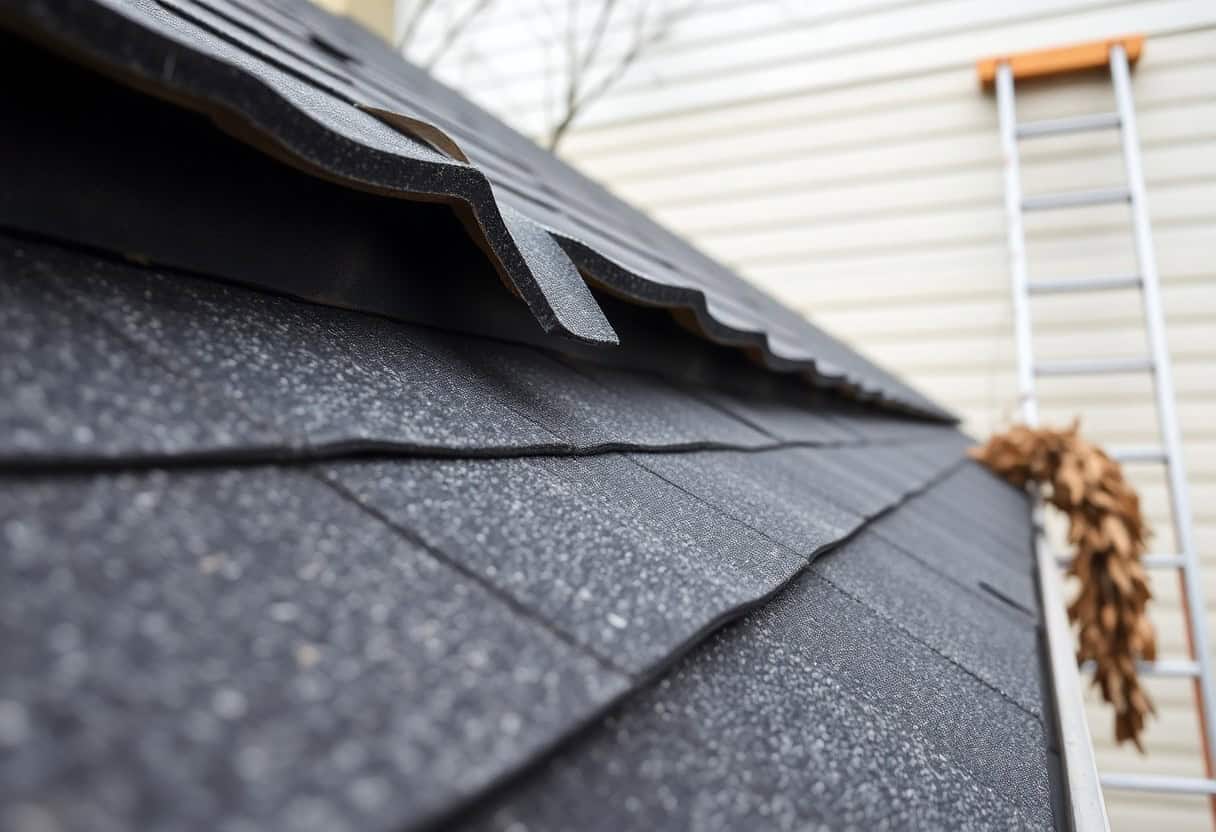
If your shingles are curling, cracked or you can see daylight through the roof boards, the membrane has failed; missing shingles concentrated on one slope often signal wind or impact damage. Check flashing at chimneys, valleys and vents for rust, separation or sealant failure, since most leaks start there. Gutters clogged with roofing granules or showing sagging brackets imply poor water diversion; overflowing gutters increase wall and foundation risk and demand prompt clearing or repair.
Interior symptoms (stains, sagging, mould)
Brown or yellow ceiling stains, bubbling paint and a musty odour point to active leaks; a sagging ceiling or deck is a sign of accumulated moisture and structural weakening. Small, dark mould spots near joists or eaves can spread rapidly and affect air quality, so treat them as health and safety hazards rather than cosmetic blemishes. You should log stain size and progression to help technicians diagnose the source.
Moisture can produce visible mould within 24-48 hours; using a moisture meter, readings above 20% in timber or plaster suggest ongoing infiltration and risk of decay. You should isolate affected rooms, dry the area with dehumidifiers, and keep records of moisture readings and stain growth. Rapid professional intervention-roofing repair plus drying and, if necessary, mould remediation-usually prevents rot and reduces restoration scope and cost.
Common causes and contributing factors
You’ll commonly see issues caused by storms, ageing, poor installation and biological growth; for example, wind gusts over 90 km/h (56 mph) can lift shingles and void seals, while asphalt roofs typically age out at 20-25 years. Inspect valleys, flashing and gutters frequently to catch leaks early. For practical signs, consult Early Warning Signs Your Roof Needs Repair. This guide helps you spot missing shingles, blistering and wet patches before they become structural problems.
- Weather damage
- Poor installation
- Age and wear
- Biological growth
- Material defects
Weather and environmental stressors
Storms with 25 mm+ hail or gusts above 80 km/h can cause immediate shingle loss, while prolonged UV exposure accelerates granule loss and brittle ageing; freeze-thaw cycles in cold regions can crack tiles within 10-15 years. Moss and algae trap moisture against your roof and promote rot, so you should check loft spaces and gutters after severe weather and during seasonal transitions to prevent hidden water ingress.
Installation mistakes and material failure
Incorrect nailing patterns, inadequate underlay and poorly sealed flashings are frequent culprits; single‑nailed shingles or staples can cut wind resistance by over 50%, and using the wrong sealant or flashing metal often voids warranties. You must verify installers follow the manufacturer’s nailing counts and flashing details to avoid premature failure.
Survey data indicate up to 30% of post‑storm leaks stem from installation faults rather than material defects: common errors include incorrect nail length, missing valley underlay, poorly dressed chimney or skylight flashings and incompatible sealants that harden and crack. Synthetic underlays and stainless or galvanised flashings reduce corrosion risk, whereas non‑breathable felts can trap condensation. When you hire contractors, insist on manufacturer compliance, a written nailing schedule, material batch numbers and a clear warranty specifying remedies for premature failure.
Risks of delayed identification
Letting small leaks go undetected often means they expand into roof-wide failures within months, raising repair bills from a few hundred pounds to thousands. A minor patch costing £200-£1,000 can become a full replacement of £5,000-£30,000 depending on roof size and materials. You face rapidly escalating costs, increased insurance complications and greater disruption to your property if you delay inspections or repairs.
Structural and property damage escalation
Water penetration accelerates timber decay; rafters and joists can begin to suffer rot within 6-12 months of persistent leaks, causing sagging ceilings, collapsed tiles and wet insulation. You may then require structural timber replacement costing £2,000-£10,000 or more, plus redecoration and rewiring. Structural failure and progressive property loss are the most expensive outcomes when you delay identification and remediation.
Health, safety, and liability concerns
Mould growth can appear within 24-48 hours of ongoing moisture, increasing spore counts and aggravating asthma, particularly in children and the elderly. You also heighten the risk of injury from falling debris or weakened structures, and insurers may decline claims if neglect is established. Health hazards and liability exposure make timely detection and action imperative to protect occupants and your finances.
Clinically, damp-related problems drive higher GP visits and medication use, with persistent mould linked to chronic respiratory symptoms and allergic sensitisation. If you rent out property, local authorities can use the HHSRS to classify severe damp as a hazard, issue improvement notices, carry out remedial work and recover costs. You should keep dated inspection records and receipts for repairs so you can demonstrate responsible management and limit both health impacts and legal or insurance disputes. Prompt documentation and repairs mitigate risk.
Inspection and diagnostic approaches
You should carry out inspections at least twice a year (spring and autumn) and after severe weather – for example winds over 40 mph or rainfall above 25 mm in 24 hours. Use a combination of ground‑level checks, attic inspections and targeted access to spot sagging, displaced tiles or damp stains early. Combining visual surveys with simple tools such as binoculars, a torch and a moisture meter already reduces long‑term repair bills by helping you prioritise what needs immediate attention.
Practical DIY checks and routine walk‑throughs
From the ground, scan for missing or slipped tiles, sagging gutters and vegetation in valleys; climb into your loft to check for daylight through the decking, brown stains or mould. If you find loose ridge tiles, more than a few cracked slates or granule loss affecting roughly 10% of your roof area, you should avoid further climbing and book a professional. Always use a stable ladder and a partner – falls are the main danger when accessing roofs.
Professional assessment tools and reports
Professional roofers use thermal imaging, moisture meters, drone photogrammetry and endoscopes to locate hidden leaks, rot and voids; reports typically include annotated photos, a prioritised defect list, estimated remaining life in years and cost ranges. Thermal surveys are particularly valuable because they reveal moisture ingress and insulation failures that visual checks miss, helping you decide between targeted repair and full replacement.
Thermal cameras can detect small temperature differentials (often around 1-2°C) indicating trapped moisture, while contact moisture meters give percentage readings to confirm problems. Drones provide high‑resolution imagery and roof‑plan overlays, reducing time on ladders and uncovering slipped tiles on steep pitches. A good report will combine these data into a clear action timeline – emergency, short (<1 year), medium (1-5 years) - so you can budget and schedule remedial work effectively.
Preventive maintenance and mitigation
Regular maintenance tasks and seasonal care
During spring and autumn inspections, check for loose slates, cracked sealant and blocked gutters; inspect at least twice yearly and after storms that drop more than 50 mm of rain or gusts above 60 km/h. You should clear gutters every three months, trim overhanging branches to within 2 metres, and photograph defects for contractor quotes. If you live near the coast, inspect metal flashings annually for corrosion. These simple actions often prevent the most common sources of leaks and water damage.
Targeted repairs to extend roof life
Patch small leaks within 48-72 hours to avoid timber rot and mould; replace individual slates or shingles rather than full reroofing when damage is confined to under 10% of the surface. You should reseal or replace flashings every 5-10 years and upgrade worn underlay with breathable membranes to reduce condensation. Prompt, targeted fixes can add years to a roof built to last 20-30 years.
For example, replacing damaged flashing and just four missing tiles within a week often prevents timber decay and can save several thousand pounds compared with full replacement. You should ask for itemised quotes, warranties of 2-5 years, and matching materials; that ensures repairs restore waterproofing, protect insulation, and extend service life without unnecessary expense.
Financial considerations and planning
When you plan for roofing work, allocate funds for both routine maintenance and unexpected repairs; setting aside around 1%-3% of the roof replacement cost annually helps avoid emergency shortfalls. Prioritise urgent issues like active leaks or structural rot, which can multiply remediation costs if left untreated. Use phased budgeting for larger projects-stage repairs over 1-3 years to spread costs-and obtain at least three quotes to compare labour, materials and timeline before committing.
Repair vs. replacement cost analysis and ROI
Compare a typical small repair (£200-£1,500) with a full re-roof (£4,000-£12,000 for an average UK house): timely repairs usually cost a fraction
If damage may be insured, start by photographing affected areas, noting dates, weather events and contractor reports; insurers typically expect prompt notification and will require evidence. Keep all invoices and records of maintenance; many policies have excesses of £250-£1,000
For greater protection, register manufacturer warranties and obtain written workmanship guarantees from installers-manufacturer guarantees for tiles and slates often span 20-40 years, while workmanship warranties commonly run 5-10 years or are backed by insurance-backed guarantees. If a claim is disputed, commission an independent survey and submit it with your claim; keep originals of all correspondence, as insurers assess liability against policy terms, event cause (storm, impact, neglect) and documented maintenance history. Taking this into account, you protect your property and finances by identifying roofing faults early; addressing leaks, damaged tiles and structural wear promptly reduces repair costs, prevents interior damage and prolongs your roof’s life. Consult The Importance of Early Detection of Roofing Issues for practical guidance.Insurance claims, documentation, and warranties
Conclusion