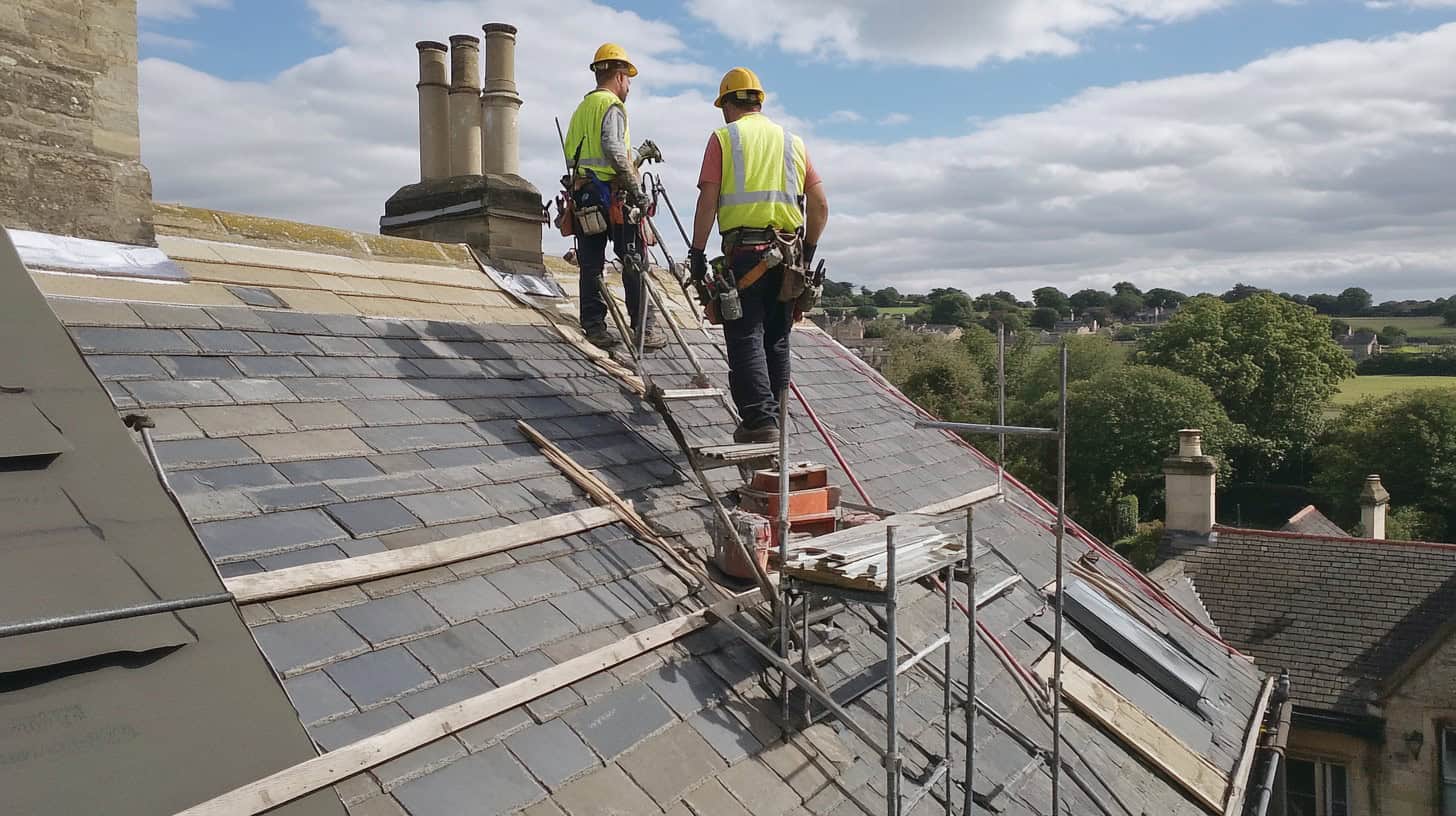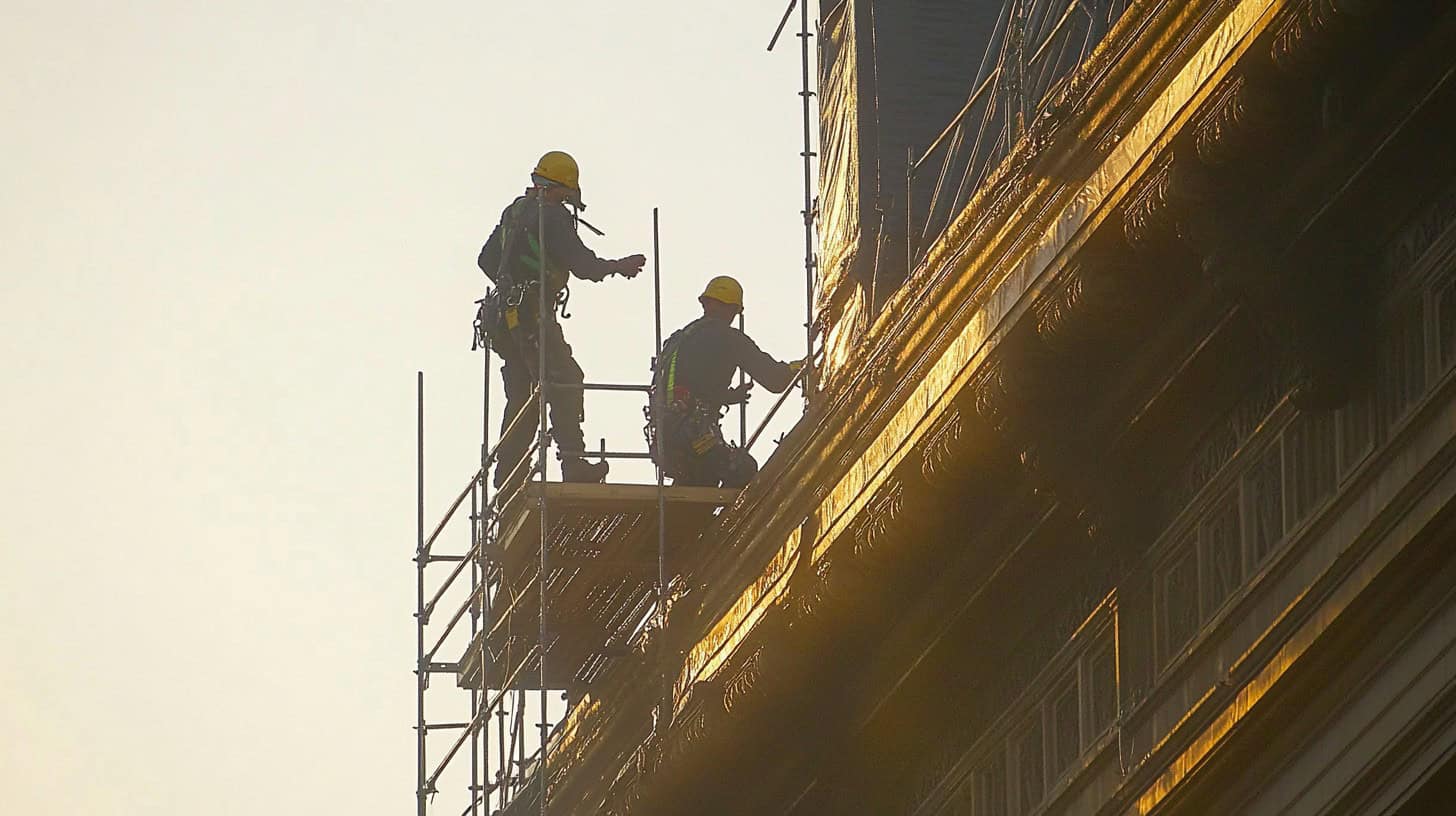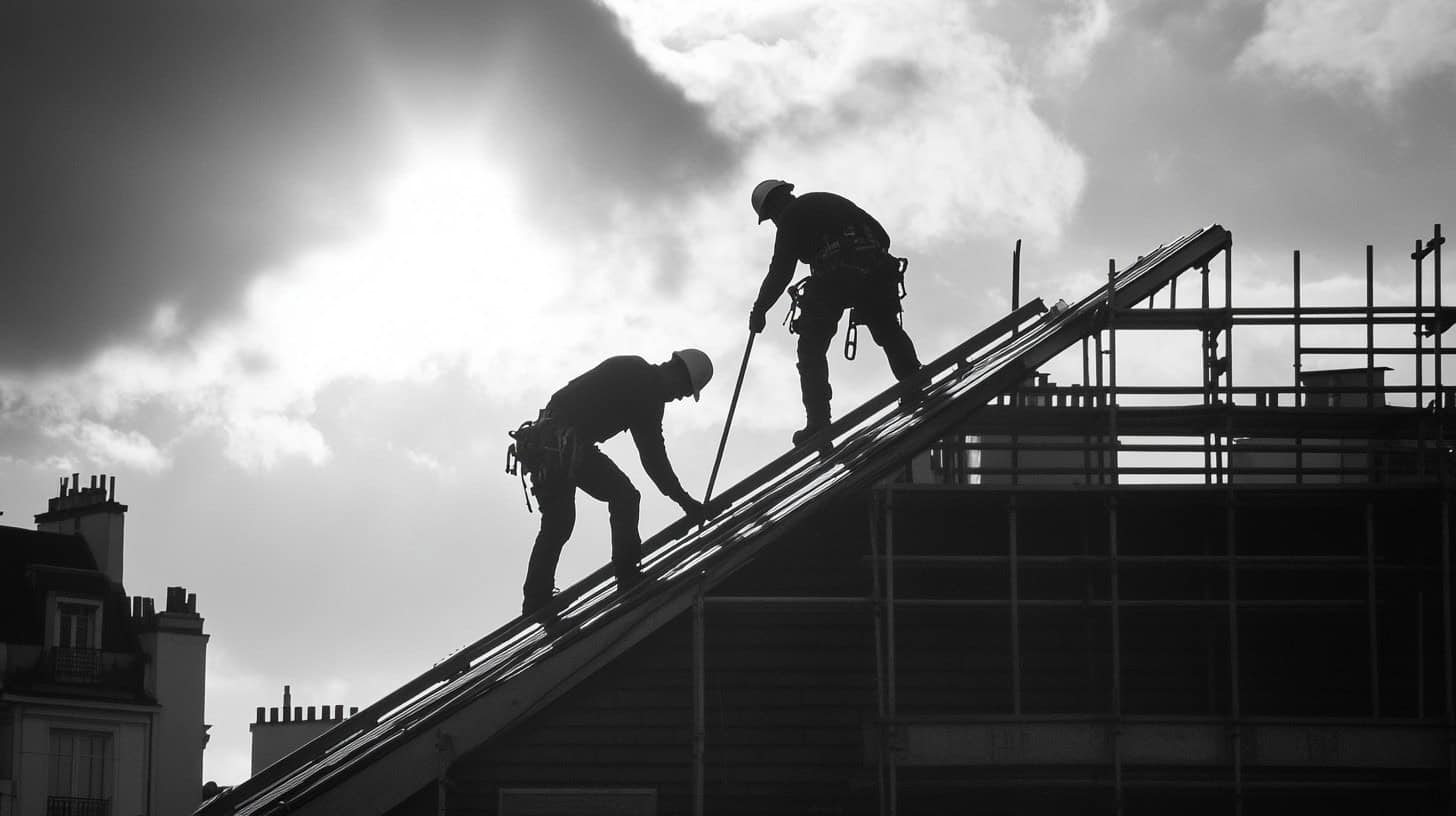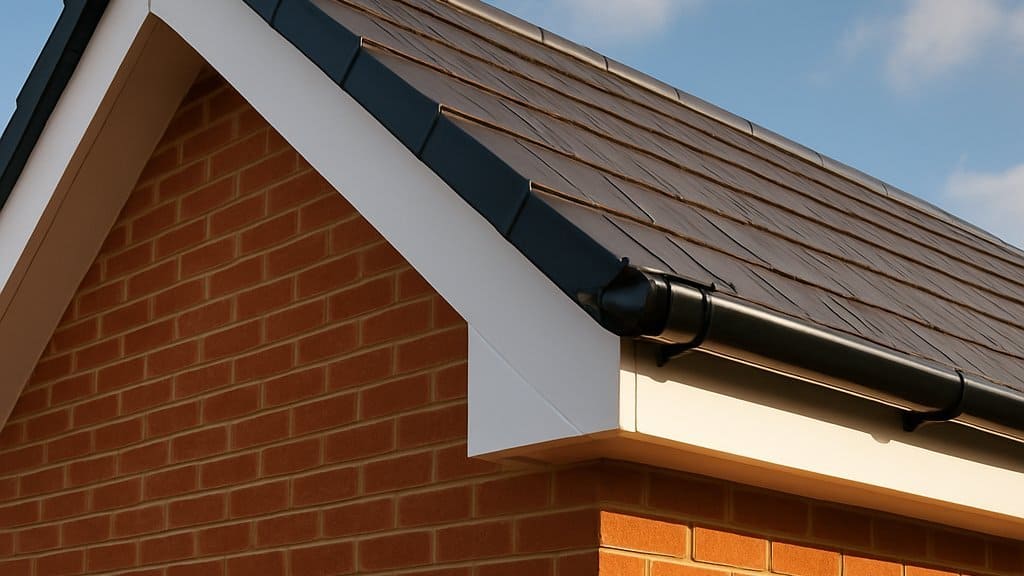

Business continuity depends on proactive roof maintenance: by scheduling inspections you can prevent leaks and structural failure, avoid costly closures and lost revenue and protect your staff and assets. Regular maintenance helps you spot small defects, arrange timely repairs and extend your roof’s lifespan to reduce replacement costs, ensuring your organisation remains operational and compliant with safety standards.
Understanding Roof Maintenance
While running your business, treating roof care as a scheduled asset-management task prevents surprises: industry practice recommends inspections every 6-12 months, with high‑risk flat roofs checked every 3-6 months. Timely attention to sealants, flashings and drainage can reduce long‑term repair costs by up to 40%, and prevents water ingress that commonly leads to interior damage, stock loss and safety hazards.
Importance of Regular Inspections
Routine inspections let you identify early signs of failure-pinhole leaks, loose fixings, blisters-before they escalate. You should schedule checks after storms and at least twice yearly; for sites with heavy rooftop traffic or HVAC plant, quarterly checks are wise. Inspections that include thermal imaging and moisture meters often reveal hidden wetness, cutting emergency repairs and downtime by roughly 40% in many commercial portfolios.
Common Issues Identified
Typical defects you will find are ponding water, split seams, degraded membranes, failed flashings, blocked gutters and vegetation growth. Ponding for more than 48-72 hours accelerates membrane fatigue; failed flashings are a frequent cause of interior leaks; blocked outlets lead to overflowing roofs and masonry damage-each issue directly raises the risk of operational disruption.
In practice, ponding is repaired by regrading or installing additional outlets, seam failures require welding or resealing, and flashings often need replacement within weeks to avoid interior damage. A prompt repair can cost a few hundred pounds, whereas ignoring defects can result in full roof replacement bills of tens of thousands of pounds and significant business interruption; addressing issues early preserves asset life and keeps your operations running.
Cost Implications of Neglecting Roof Care
Failing to maintain your roof can turn minor leaks into major capital outlays: routine inspections cost around £100-£300, while full commercial replacements often run between £50,000-£150,000. You normally save by addressing problems early-see How Regular Roofing Service Can Save You Thousands in Repairs for real-world examples where proactive servicing prevented five-figure replacements. Small interventions typically extend service life and protect your bottom line.
Short-Term vs. Long-Term Costs
In the short term you might spend £200-£2,000 on emergency patching to stop leaks; delaying repair often multiplies future bills, turning manageable fixes into replacements that cost 3-5× more. If you allocate budget for quarterly checks and minor repairs, you typically avoid sudden capital expenditure and preserve asset value, so your maintenance budget becomes an investment rather than a surprise liability.
Impact on Business Operations
When a roof failure occurs, you face immediate operational risks: production lines can halt, inventory can be damaged and staff safety may be compromised, generating direct losses that can exceed £10,000 per day in many sectors. You should factor in supply-chain delays, customer cancellations and emergency contractor premiums when assessing the true cost of neglect.
For example, a single uncontained leak in a chilled-storage facility can spoil thousands of pounds of stock within hours and force shutdowns for sanitisation; a warehouse closure for three days can erase weeks of profit. Beyond immediate losses, insurers may refuse cover or increase premiums for neglected roofs, and your reputation can suffer from missed delivery windows-so routine maintenance protects both revenue and customer trust.
Seasonal Considerations for Roof Maintenance
Plan inspections around seasonal stressors: aim for at least two full roof surveys annually and an extra check after severe weather; for example, heavy autumn leaf fall can block gutters within weeks, while summer storms delivering 20-40 mm in an hour create sudden ponding. You should prioritise areas with prior repairs, rooftop plant fixings and rooflights, and log findings with photos to track deterioration over time. Gutter blockages and ponding are common causes of business interruption.
Winter Preparations
Before temperatures fall, ensure loft insulation and ventilation are balanced to reduce warm air loss that forms ice dams; clear gutters and outlets to prevent refreezing and check for loose tiles or slipped slates that trap snow. You should arrange snow-load assessments if accumulations exceed about 20 cm in exposed areas and fit temporary heating cables or protective boards around vulnerable rooflight upstands. Ice build-up and heavy snow significantly increase leak and collapse risk.
Summer Inspections
During summer you must focus on UV and thermal expansion damage: inspect membrane seams, flashings and sealants for shrinkage, cracks or blisters, and check ponding after convective storms (30 mm+ in an hour is not unusual); examine rooftop plant fixings and service access routes for corrosion. Timely resealing of joints and replacing degraded sealants can extend membrane life and reduce mid-season leaks. Ponding and failed flashings drive most summer failures.
When you carry out a more detailed summer inspection, work systematically: map and photograph all penetrations, measure any joint gaps (gaps over 3 mm often warrant resealing), and test downpipes and outlets with a water hose to confirm runoff. Schedule remedial repairs within weeks, prioritise areas under mechanical plant and previous repairs, and keep a maintenance log noting dates and materials used – this helps spot patterns and supports warranty claims if problems reoccur.
Developing a Maintenance Schedule
Set a clear cadence that matches your roof type and operations: for most commercial roofs plan at least two full inspections per year, increase to quarterly for flat roofs or roofs with heavy footfall, and schedule an immediate check after severe weather events such as rainfall greater than 25 mm or wind gusts over 50 km/h. Assign responsibility, allocate a small annual budget (typically 0.5-1% of roof replacement cost) and include cyclical tasks like gutter clearance and sealant renewal every 3-5 years to reduce unplanned downtime.
Frequency of Inspections
You should inspect biannually as a baseline-every six months-and move to quarterly reviews if you have a flat membrane roof, rooftop plant, PV array or frequent rooftop access. Also, perform targeted post-event inspections after storms or maintenance work. Use thermal imaging once a year to detect hidden moisture and schedule rooftop walkovers monthly where safety allows. One logistics centre saw a 40% drop in leak incidents after switching to quarterly checks.
Documentation and Records
Record every inspection with date, inspector name, photographic evidence and a severity rating; log defects within 24 hours and track remedial actions until close-out. Use a cloud-based CMMS or spreadsheet with standardised fields to ensure consistency, retain records for contractual, warranty and insurance purposes (commonly 7 years), and link entries to costs and contractor invoices for auditability.
Structure your records with templates: checklist, defect form, photographic log and work order. Include roof plans and GPS-tagged photos, and classify issues by risk (e.g. immediate, within 30 days, routine). Integrate records with procurement so repeat defects trigger supplier reviews, and use KPIs-inspection completion rate, average repair lead time, and incident frequency-to measure performance. Strong documentary trails have saved businesses money; for example, an insurer accepted a claim for water ingress because the claimant produced timestamped inspection photos and maintenance invoices, demonstrating proactive care and reducing dispute delays.
Choosing the Right Roofing Experts
You should prioritise firms with proven commercial experience on similar buildings, documented emergency response plans and clear maintenance packages that minimise downtime. Seek contractors who can service large roofs (for example 1,000-5,000 m2 warehouses), provide a defined inspection cadence and offer manufacturer-backed guarantees and detailed handover reports so you avoid unexpected closures and lost trading days.
Credentials to Look For
Ask for membership of reputable bodies such as the NFRC, industry training (NVQ Level 2/3 or City & Guilds), BBA or equivalent product approvals, and evidence of compliance with standards like BS 5534 for slating/tiling. Verify public liability insurance of at least £5 million, employer’s liability, ISO 9001 or CHAS/Constructionline pre-qualification, plus manufacturer-authorised installer status for system warranties.
Questions to Ask Potential Contractors
Request a written condition survey, sample maintenance schedule, previous commercial references, expected response time for emergencies (e.g. 24 hours), warranty lengths, who supplies materials, and whether they use drone or thermal inspections. Also ask for a method statement, RAMS, measured roof area (m2) in reports and details of any subcontractors to confirm accountability.
When probing further, insist on a condition report with photographs, moisture readings and a projected life-expectancy for the roof components; demand a clear cost breakdown (preventive vs reactive), a 12-month defect liability period in writing and confirmation you can verify their insurance with providers. Checking these specifics reduces the chance of disputes and unplanned closures.
Benefits of Proactive Roof Maintenance
Beyond short-term fixes, a proactive programme reduces unplanned failures and limits the chance of costly leaks and operational downtime; scheduling at least two full surveys annually helps you spot membrane damage, blocked drains and ponding water before they escalate, and industry experience shows well-maintained commercial roofs see a dramatic fall in emergency interventions, often saving you both time and the higher cost of reactive repairs.
Extending Roof Lifespan
Regular gutter clearing, resealing flashings and replacing isolated membrane sections can extend service life by 5-10 years for many systems; for example, a single-ply commercial membrane often lasts 20-25 years, yet with planned maintenance you can push that toward the upper end, deferring full re-roofing and saving on capital expenditure that might otherwise run into tens of thousands for medium-sized buildings.
Enhancing Energy Efficiency
Maintaining insulation integrity, repairing wet or compressed layers and applying reflective coatings directly reduces heat loss and solar gain, so you can expect ; reflective finishes can return high solar reflectance and routine maintenance has been shown to cut seasonal energy use by a noticeable percentage on many sites.
Use targeted measures such as thermographic surveys to locate wet insulation and thermal bridges quickly; addressing these hotspots typically restores lost performance and can improve overall roof thermal efficiency by around 5-15%, lowering your running costs and stabilising internal temperatures for staff and stock protection.
Conclusion
Now you can minimise costly business disruption by scheduling regular roof inspections and timely repairs; proactive maintenance protects your premises from leaks, reduces unexpected downtime, ensures compliance with safety standards and extends your roof’s lifespan, saving you money and safeguarding operations so you can focus on running your business without avoidable interruptions.
FAQ
Q: How does regular roof maintenance reduce the risk of unexpected closure and business interruption?
A: Regular maintenance identifies and repairs small defects before they escalate into failures that force partial or full closure. Routine inspections and timely patching prevent leaks that can damage stock, machinery and electrical systems, and avoid slip hazards that affect staff and customers. Scheduled work can be carried out outside trading hours to limit disruption, and planned interventions are faster and less disruptive than emergency repairs, which often require larger scaffolding, temporary closures or relocation of operations.
Q: What specific maintenance tasks should businesses prioritise to protect operations and how often should they be done?
A: Prioritise visual monthly checks of gutters, drains and roof surfaces, and carry out professional inspections at least twice a year-ideally spring and autumn-and after major weather events. Key tasks: clear gutters and outlets, inspect and reseal flashings and penetrations, check roof membrane or coverings for tears and ponding, remove vegetation, secure loose fittings and check insulation for moisture. Keep a log of each visit, note defects and remedial actions, and schedule repairs promptly to avoid compounding damage and operational impact.
Q: How does maintenance influence insurance claims, warranty compliance and long-term costs for a business?
A: Regular maintenance supports insurance and warranty obligations by providing documented evidence of reasonable care; this speeds up claims and reduces the risk of denial. It also extends the serviceable life of the roof, deferring major replacement costs and lowering lifetime expenditure. Preventive care reduces the frequency and scale of emergency repairs, which are typically more expensive and disruptive, and contributes to more predictable budgeting for capital works and business-continuity planning.